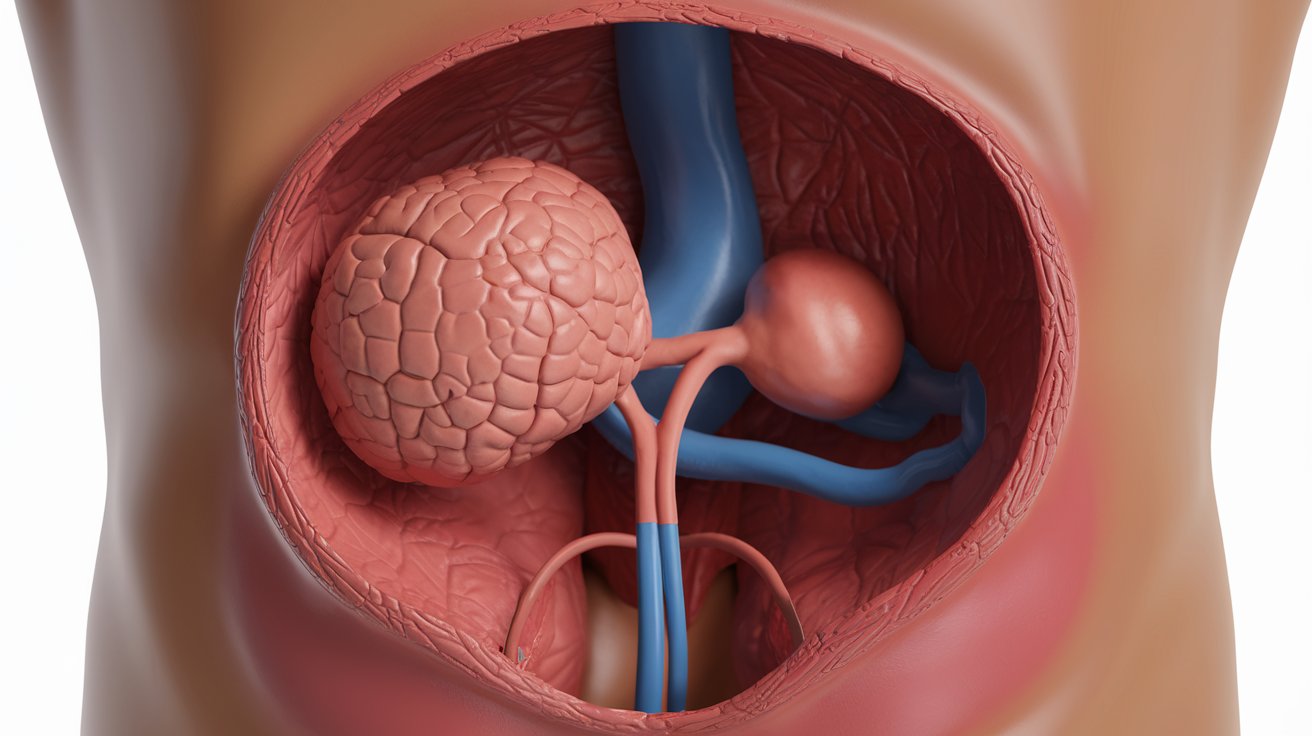
Nerve regeneration after prostate surgery is a critical concern for men recovering from prostatectomy, particularly regarding erectile function and urinary control. The process typically takes 6 to 24 months, but specific interventions can potentially speed up nerve regeneration and improve outcomes. This comprehensive guide explores evidence-based strategies, including medications, supplements, and lifestyle modifications proven effective in 2026 for optimizing nerve recovery after prostate surgery.
Understanding Nerve Regeneration After Prostatectomy
Following prostate surgery, nerves responsible for erectile function and continence may be stretched, bruised, or temporarily damaged even when surgeons employ nerve-sparing techniques. These cavernous nerves, located on either side of the prostate, control blood flow necessary for erections. The nerve regeneration process follows a predictable timeline, with nerves growing at approximately 1 millimeter per day. In the United States, approximately 65,000 men undergo radical prostatectomy annually, with nerve preservation attempted in roughly 70 percent of cases as of 2026 data.
The extent of nerve damage during prostate surgery varies based on surgical technique, cancer stage, and surgeon expertise. Robotic-assisted laparoscopic prostatectomy has shown improved nerve preservation rates compared to traditional open surgery, with studies indicating 85 percent nerve-sparing success in experienced hands. Understanding this biological timeline helps set realistic expectations while implementing strategies to optimize nerve recovery and potentially accelerate the healing process.
Timeline: How Long Does Nerve Regeneration Take
The nerve regeneration timeline after prostatectomy typically ranges from 6 months to 2 years, with most significant recovery occurring within the first 18 months post-surgery. Younger patients under 60 years old generally experience faster recovery, with 60 to 70 percent regaining functional erectile ability within 12 months when bilateral nerve-sparing surgery is performed. Patients between 60 and 70 years see approximately 50 percent recovery rates, while those over 70 may experience 30 to 40 percent recovery within the same timeframe based on 2026 United States clinical data.
Several factors influence the speed of nerve regeneration including preoperative erectile function, surgeon skill, absence of adjuvant radiation therapy, and consistent use of erectile rehabilitation protocols. Early return of spontaneous morning erections, typically within 3 to 6 months, serves as a positive prognostic indicator for complete nerve recovery. Patients should maintain regular follow-up with their urologist to monitor progress and adjust treatment protocols accordingly.
Medications That Accelerate Nerve Healing
Phosphodiesterase-5 inhibitors represent the cornerstone of nerve regeneration acceleration following prostate surgery. These medications, including sildenafil, tadalafil, and vardenafil, promote penile oxygenation and prevent tissue fibrosis that can impede nerve function recovery. The penile rehabilitation protocol, widely adopted across United States urology practices in 2026, involves starting low dose Viagra after prostatectomy or daily Cialis within 4 to 6 weeks post-surgery once the catheter is removed and initial healing occurs.
When to Start Cialis After Prostatectomy
Most urologists recommend starting daily Cialis after prostatectomy between 4 to 8 weeks post-surgery, once initial surgical healing is complete and the urinary catheter has been removed. The typical protocol involves 5 mg daily tadalafil taken continuously for 12 to 18 months. This low-dose daily approach maintains penile oxygenation, prevents smooth muscle atrophy, and creates an optimal environment for nerve regeneration. Clinical studies from 2024-2026 demonstrate that men who begin daily tadalafil within 6 weeks post-surgery show 25 percent higher rates of spontaneous erectile function recovery at 18 months compared to on-demand use only.
The daily Cialis regimen after prostate surgery differs from on-demand use because it maintains consistent medication levels, providing continuous therapeutic benefits beyond treating erectile dysfunction episodes. Patients should discuss timing with their surgeon, as individual healing rates vary. Some practitioners prefer waiting until 6 weeks when tissue healing is more advanced, while others start as early as 4 weeks in carefully selected patients with uncomplicated recoveries.
How Soon Can You Take Viagra After Prostate Surgery
Patients can typically begin taking Viagra after prostate surgery once cleared by their surgeon, usually 4 to 6 weeks post-operatively. However, the approach differs between rehabilitation dosing and functional use. For nerve regeneration purposes, many urologists prescribe 25 to 50 mg sildenafil taken three times weekly or every other night, regardless of sexual activity plans. This penile rehabilitation schedule maintains blood flow and oxygenation to erectile tissues during the critical nerve healing period.
The low dose Viagra after prostatectomy protocol serves a different purpose than treating erectile dysfunction in men without nerve damage. While immediate erectile function may not return, the medication prevents permanent structural changes in penile tissue that could limit future function even after nerves regenerate. Studies from major United States academic centers indicate that men using rehabilitation dosing show improved spontaneous function at 12 and 24 months compared to those waiting to use medications only when attempting intercourse.
Vitamins and Supplements for Nerve Regrowth
Specific nutritional supplements have demonstrated potential to support nerve regeneration after prostate surgery through various biological mechanisms. While medications remain the primary evidence-based intervention, targeted supplementation may provide complementary benefits when combined with standard rehabilitation protocols. As of 2026, several vitamins and compounds have accumulated sufficient research to warrant consideration in comprehensive recovery programs.
Best Vitamin for Nerve Regrowth
Vitamin B12 stands as the most important vitamin for nerve regrowth following prostatectomy due to its essential role in myelin sheath formation and nerve cell metabolism. Methylcobalamin, the active form of B12, demonstrates superior absorption and neurological activity compared to cyanocobalamin. Recommended dosing ranges from 1000 to 2000 mcg daily, either as sublingual tablets or intramuscular injections in deficient patients. United States neurological guidelines emphasize that B12 deficiency significantly impairs nerve regeneration capacity, making adequate levels critical during the recovery period.
Vitamin B complex supplements containing B1, B6, and B12 together provide synergistic benefits for peripheral nerve healing. B1 (thiamine) supports nerve signal transmission, while B6 (pyridoxine) facilitates neurotransmitter synthesis essential for nerve communication. Clinical trials have shown that men taking comprehensive B-complex supplements alongside standard rehabilitation protocols report earlier return of sensation and function, though individual results vary based on baseline nutritional status and overall health.
Additional Supplements That Support Nerve Recovery
Alpha-lipoic acid, a powerful antioxidant, shows promise for accelerating nerve regeneration at doses of 600 mg daily. This compound reduces oxidative stress that can impede nerve healing and has demonstrated effectiveness in diabetic neuropathy treatment, suggesting potential applications for surgical nerve recovery. Acetyl-L-carnitine, typically dosed at 1500 to 3000 mg daily, supports mitochondrial function in nerve cells and may enhance regeneration speed according to 2025-2026 research from United States medical centers.
Omega-3 fatty acids, particularly EPA and DHA from fish oil, support nerve cell membrane integrity and reduce inflammation that can slow healing after prostate surgery. Recommended dosing provides 2000 to 3000 mg combined EPA and DHA daily. Vitamin D, maintaining levels above 40 ng/mL through supplementation of 2000 to 4000 IU daily, supports overall nerve health and immune function critical for optimal recovery. Patients should consult their healthcare provider before starting supplements, particularly those on anticoagulant medications.
Dietary Strategies to Enhance Nerve Healing
Nutrition plays a fundamental role in supporting nerve regeneration after prostate surgery by providing essential building blocks for nerve tissue repair and reducing systemic inflammation that can impede healing. A targeted dietary approach emphasizes foods rich in specific nutrients while minimizing inflammatory triggers that may slow recovery. As of 2026, integrative urology practices in the United States increasingly incorporate nutritional counseling as part of comprehensive post-prostatectomy care.
Best Foods to Eat After Prostate Surgery
The best foods after prostate surgery include fatty fish like salmon, mackerel, and sardines, which provide omega-3 fatty acids essential for nerve cell membrane health and anti-inflammatory effects. These should be consumed 3 to 4 times weekly. Dark leafy greens such as spinach, kale, and Swiss chard deliver folate and B vitamins critical for nerve metabolism and regeneration. Nuts and seeds, particularly walnuts, almonds, and flaxseeds, provide vitamin E, magnesium, and additional omega-3s that support nerve healing processes.
Lean proteins including chicken, turkey, eggs, and legumes supply amino acids necessary for building new nerve tissue and supporting overall recovery. Colorful vegetables and berries provide antioxidants that reduce oxidative stress and inflammation. Whole grains offer B vitamins and steady energy without the inflammatory effects of refined carbohydrates. Patients should aim for a Mediterranean-style dietary pattern, which United States nutritional research in 2026 associates with improved surgical recovery outcomes and reduced complications across various procedures including prostatectomy.
Foods and Substances to Avoid
Certain dietary elements can impair nerve regeneration and healing after surgery and should be minimized or eliminated during the recovery period. Excessive alcohol consumption directly damages peripheral nerves and interferes with B vitamin absorption, potentially slowing regeneration. Limit intake to no more than one drink daily or consider complete abstinence during the first 6 months post-surgery. Processed foods high in refined sugars and trans fats promote systemic inflammation that can impede nerve healing and should be strictly limited.
High sodium intake may worsen urinary symptoms during recovery and contribute to cardiovascular issues that impair overall healing capacity. Excessive caffeine can interfere with sleep quality, which is essential for nerve regeneration that occurs primarily during deep sleep stages. Red meat and full-fat dairy, while not requiring complete elimination, should be consumed in moderation as they contain saturated fats that may promote inflammation. A diet emphasizing whole, minimally processed foods provides optimal support for nerve recovery after prostatectomy.
Penile Rehabilitation Protocols
Comprehensive penile rehabilitation after prostate surgery represents the standard of care in 2026 for men who undergo nerve-sparing prostatectomy. This multimodal approach combines medications, mechanical devices, and lifestyle interventions to preserve erectile tissue health while nerves regenerate. The underlying principle recognizes that even with successful nerve preservation, temporary loss of nocturnal erections deprives penile tissues of regular oxygenation, potentially leading to fibrosis and permanent structural changes that limit function even after nerve recovery.
Evidence-based rehabilitation protocols typically begin 4 to 6 weeks post-surgery and continue for 12 to 24 months. The comprehensive approach addresses both nerve regeneration support and tissue preservation simultaneously. Major United States urology centers report that patients participating in structured rehabilitation programs achieve functional erectile ability in 65 to 75 percent of bilateral nerve-sparing cases, compared to 40 to 50 percent in those not following protocols. Early intervention and consistent adherence represent the most critical success factors.
Vacuum Erection Devices in Recovery
Vacuum erection devices constitute an essential component of nerve regeneration protocols following prostatectomy. These mechanical pumps create negative pressure that draws blood into the penis, providing oxygenation and stretching that prevents tissue shrinkage during the nerve healing period. The rehabilitation protocol typically involves using the device for 10 to 15 minutes daily, creating 3 to 4 erections without the constriction ring, focusing on tissue health rather than sexual activity.
Studies from 2024-2026 demonstrate that men using vacuum devices as part of comprehensive rehabilitation maintain better penile length and girth compared to those relying solely on oral medications. The mechanical stretching prevents fibrotic tissue formation and maintains smooth muscle health critical for future erectile function. Most United States insurance plans cover vacuum devices when prescribed for post-surgical rehabilitation, making them an accessible option for most patients. Consistent daily use, rather than sporadic application, produces optimal results for supporting tissue preservation during nerve recovery.
Intraurethral and Injection Therapies
For men not responding adequately to oral medications during the nerve regeneration period, intraurethral alprostadil suppositories or intracavernosal injection therapy provide more direct therapeutic options. Intraurethral suppositories deliver medication through the urethra, with approximately 50 to 60 percent of users achieving erections sufficient for intercourse. This option appeals to men uncomfortable with needle injections but requiring stronger intervention than oral medications alone.
Intracavernosal injection therapy, using alprostadil alone or in combination formulas, produces erections in 70 to 85 percent of post-prostatectomy patients regardless of nerve damage severity. While injections seem intimidating initially, most men master the technique quickly with proper training. These therapies serve dual purposes: enabling sexual activity during recovery and providing the penile oxygenation necessary for tissue preservation. United States urology practices in 2026 increasingly present these options early in rehabilitation discussions rather than waiting for oral medication failure, recognizing their role in comprehensive nerve recovery support.
Lifestyle Modifications That Support Nerve Healing
Beyond medical interventions and supplements, specific lifestyle factors significantly influence nerve regeneration speed after prostate surgery. These modifiable elements affect overall health, inflammatory status, and the body’s regenerative capacity. Implementing positive lifestyle changes during the recovery period provides compounding benefits that extend beyond nerve healing to include cardiovascular health, cancer recurrence prevention, and overall quality of life.
Exercise and Physical Activity
Regular physical activity accelerates nerve regeneration after prostatectomy through multiple mechanisms including improved circulation, reduced inflammation, and enhanced growth factor production. Patients should begin walking within 24 hours post-surgery, gradually increasing to 30 minutes of moderate activity daily by week 4. Cardiovascular exercise improves blood flow essential for delivering nutrients to regenerating nerves and maintaining erectile tissue health during recovery.
Pelvic floor exercises, specifically Kegel exercises, should begin once the catheter is removed to support continence recovery and potentially aid erectile function restoration. Studies from 2025-2026 indicate that men who engage in regular pelvic floor training regain urinary control faster and report better sexual function outcomes. Resistance training, introduced gradually after 6 to 8 weeks, supports overall metabolic health and testosterone maintenance important for sexual function. United States exercise physiology research demonstrates that men maintaining consistent activity levels during post-prostatectomy recovery experience 20 to 30 percent faster return of function across multiple domains.
Sleep Quality and Stress Management
Adequate sleep directly impacts nerve regeneration capacity as growth hormone and other repair mechanisms peak during deep sleep stages. Patients should prioritize 7 to 9 hours of quality sleep nightly, maintaining consistent sleep schedules even on weekends. Sleep apnea, affecting approximately 30 percent of men over 50 in the United States, severely impairs nerve healing and erectile function recovery. Men with suspected sleep disorders should undergo evaluation and treatment as part of comprehensive post-surgical care.
Chronic stress elevates cortisol levels that suppress immune function and impair tissue repair processes essential for nerve recovery after prostate surgery. Stress management techniques including meditation, deep breathing exercises, or mindfulness practices for 10 to 20 minutes daily demonstrably reduce inflammatory markers and support healing. Psychological support through counseling or support groups addresses the emotional challenges of cancer diagnosis and sexual function changes, indirectly supporting physical recovery. The mind-body connection in post-surgical healing has gained increased recognition in 2026 United States integrative urology practices.
Avoiding Factors That Impair Nerve Healing
Smoking represents the single most detrimental modifiable factor for nerve regeneration and erectile function recovery after prostatectomy. Tobacco use constricts blood vessels, reduces tissue oxygenation, and directly damages peripheral nerves. Men who quit smoking before or immediately after surgery demonstrate 40 to 50 percent higher erectile function recovery rates compared to those who continue smoking. United States smoking cessation programs, often covered by insurance, should be utilized by all post-surgical patients who use tobacco.
Uncontrolled diabetes significantly impairs nerve regeneration capacity through multiple mechanisms including glycation damage and microvascular disease. Maintaining hemoglobin A1C below 7.0 percent optimizes healing conditions. Certain medications including some antidepressants, blood pressure medications, and antihistamines can interfere with erectile function even after successful nerve recovery. Patients should review all medications with their physician to identify potential substitutes that minimize sexual side effects while nerves heal.
Nerve Sparing Surgery Outcomes and Expectations
Understanding the factors that influence nerve preservation success and realistic outcome expectations helps patients make informed treatment decisions and maintain appropriate recovery goals. Nerve-sparing technique success varies based on cancer characteristics, patient anatomy, and surgeon expertise. In 2026, United States high-volume prostatectomy surgeons achieve bilateral nerve preservation in 60 to 75 percent of cases, with unilateral preservation in an additional 15 to 20 percent where cancer location permits.
When bilateral nerves are preserved in men under 60 with good preoperative function, 60 to 70 percent regain erections sufficient for intercourse within 18 to 24 months with rehabilitation. Unilateral nerve sparing produces functional recovery in 40 to 50 percent of similar patients. Men over 70 or those with diabetes, cardiovascular disease, or baseline erectile dysfunction prior to surgery face more challenging recovery trajectories regardless of nerve preservation quality. Setting realistic expectations based on individual risk factors prevents disappointment while maintaining motivation for comprehensive rehabilitation participation.
When Nerve Preservation Is Not Possible
Cancer control remains the primary goal of prostate surgery, and surgeons must sometimes sacrifice nerves when tumor location or extent threatens positive surgical margins. Approximately 25 to 40 percent of prostatectomy patients undergo non-nerve-sparing or unilateral procedures based on preoperative imaging, biopsy results, and intraoperative findings. Men facing this situation should understand that spontaneous erectile function recovery is unlikely but satisfactory sexual function remains achievable through alternative treatments.
Patients who undergo non-nerve-sparing surgery can still benefit from penile rehabilitation protocols to preserve tissue health, enabling better response to erectile aids when desired. Vacuum devices, intraurethral suppositories, and injection therapy produce satisfactory erections in 60 to 80 percent of men without nerve preservation. Penile prosthesis implantation, typically considered after 12 to 18 months if other methods prove unsatisfactory, provides the highest satisfaction rates among men who have undergone non-nerve-sparing prostatectomy. United States urology practices in 2026 emphasize that while the path differs, sexual intimacy and satisfaction remain attainable goals for men across all surgical approaches.
Monitoring Progress and Adjusting Treatment
Regular follow-up with a urologist specializing in sexual medicine optimizes nerve regeneration outcomes after prostate surgery. Initial post-operative visits focus on cancer control and continence recovery, but erectile function assessment should begin by 3 months post-surgery. Early signs of nerve recovery include return of penile sensation, spontaneous morning erections, and tumescence during sleep even without full rigidity. These indicators suggest nerve regeneration is progressing and predict better ultimate outcomes.
Treatment protocols require adjustment based on individual response patterns. Men showing no signs of recovery by 6 months may benefit from escalating to more aggressive rehabilitation including injection therapy or additional diagnostic evaluation. Conversely, those demonstrating early recovery can continue current protocols with confidence. Penile Doppler ultrasound, available at specialized centers, assesses blood flow and can distinguish between nerve damage and vascular problems affecting recovery. The individualized approach recognized as best practice in 2026 adjusts interventions based on objective progress markers rather than following rigid timelines, maximizing each patient’s recovery potential through personalized nerve regeneration support.
Related video about how to speed up nerve regeneration after prostate surgery
This video complements the article information with a practical visual demonstration.
Everything you need to know about how to speed up nerve regeneration after prostate surgery
Does Viagra work after non nerve sparing prostatectomy?
Viagra and other PDE5 inhibitors have limited effectiveness after non nerve sparing prostatectomy because these medications require intact nerve pathways to function. Without preserved nerves, the medication cannot trigger the cascade of signals necessary for natural erections. However, some men experience partial response if minimal nerve tissue remains, and the medication still provides penile tissue oxygenation benefits important for preserving erectile tissue health. Most men without nerve preservation require alternative treatments like vacuum devices, intraurethral suppositories, injection therapy, or ultimately penile prosthesis implantation to achieve functional erections. Despite nerve removal, satisfactory sexual function remains achievable through these alternative therapies.
How often should I take Viagra after prostatectomy for rehabilitation?
For penile rehabilitation after prostatectomy, most protocols recommend taking Viagra three times weekly or every other night regardless of planned sexual activity. The typical rehabilitation dose ranges from 25 to 50 mg sildenafil, lower than the standard erectile dysfunction treatment dose. This schedule maintains regular penile blood flow and oxygenation while nerves regenerate, preventing tissue changes that could limit future function. The rehabilitation approach differs fundamentally from on-demand use because the goal is tissue preservation rather than immediate erectile function. Many urologists continue this protocol for 12 to 18 months post-surgery or until spontaneous erectile function returns, at which point dosing can transition to as-needed use at higher doses if required for sexual activity.
What is the best pill to take for erectile dysfunction after prostatectomy?
No single best pill for erectile dysfunction after prostatectomy exists, as individual response varies significantly. Tadalafil (Cialis) offers advantages for daily rehabilitation protocols due to its 36-hour duration, maintaining consistent blood levels with once-daily 5 mg dosing. Sildenafil (Viagra) and vardenafil (Levitra) work well for three-times-weekly rehabilitation or on-demand use, with onset within 30 to 60 minutes. Clinical trials show equivalent overall effectiveness among these medications in post-prostatectomy patients, with individual preference often determining the best choice. Some men respond better to one medication over another due to side effect profiles or duration preferences. Most urologists recommend starting with one medication for 6 to 8 doses before switching if results prove unsatisfactory, as response may improve with repeated use during nerve regeneration.
Is erectile dysfunction permanent after prostate surgery?
Erectile dysfunction after prostate surgery is not necessarily permanent, with recovery depending on multiple factors including nerve preservation, patient age, preoperative function, and rehabilitation protocol adherence. Men who undergo bilateral nerve-sparing surgery with good preoperative function have 60 to 70 percent chance of recovering functional erections within 18 to 24 months. Recovery continues beyond two years in some cases, with reports of improvement up to 36 months post-surgery. Even without spontaneous recovery, erectile function for sexual activity is achievable in over 90 percent of motivated patients using treatments ranging from oral medications and vacuum devices to injection therapy or penile prosthesis. The definition of recovery includes both spontaneous function and assisted erections, with many men achieving satisfactory sexual lives through various treatment combinations.
Does Cialis help with incontinence after prostate surgery?
Cialis primarily treats erectile dysfunction after prostatectomy rather than urinary incontinence, though some research suggests potential indirect benefits for urinary symptoms. The medication relaxes smooth muscle in the bladder neck and prostate area, which may improve certain lower urinary tract symptoms. However, it is not a primary treatment for post-surgical incontinence. Some studies indicate that men taking daily Cialis for erectile rehabilitation report modest improvements in urgency and frequency symptoms, possibly due to improved blood flow to pelvic tissues. The primary treatments for post-prostatectomy incontinence remain pelvic floor exercises, behavioral modifications, and if necessary, surgical interventions for persistent cases. Men experiencing both erectile dysfunction and incontinence should address each condition with appropriate specific therapies rather than expecting Cialis alone to resolve urinary control issues.
Can nerves grow back after prostate surgery?
Yes, nerves can regenerate after prostate surgery if they were preserved but stretched or bruised during the procedure rather than completely severed. Peripheral nerves like the cavernous nerves controlling erectile function have regenerative capacity, growing at approximately 1 millimeter per day. The regeneration process typically requires 6 to 24 months depending on the extent of nerve trauma and distance nerves must regrow. Complete transection or removal of nerves prevents regeneration, as nerves cannot bridge significant gaps or regrow from nothing. Nerve-sparing surgical techniques aim to preserve these delicate structures while removing cancer, allowing natural regeneration during recovery. The regeneration success depends on minimizing surgical trauma, maintaining penile tissue health during healing, and supporting overall nerve health through nutrition, supplements, and appropriate rehabilitation protocols that optimize the body’s natural healing capacity.
| Intervention | Implementation Details | Expected Benefit |
|---|---|---|
| Daily PDE5 Inhibitor | Start 4-6 weeks post-surgery, continue 12-18 months | 25% higher spontaneous function recovery at 18 months |
| Vitamin B12 Supplementation | 1000-2000 mcg daily methylcobalamin | Essential for myelin formation and nerve metabolism |
| Vacuum Device Therapy | 10-15 minutes daily, 3-4 erections without ring | Preserves penile length and prevents tissue fibrosis |
| Mediterranean Diet | Emphasis on fish, vegetables, whole grains, healthy fats | Reduces inflammation and provides nerve-healing nutrients |
| Regular Exercise | 30 minutes moderate activity daily, pelvic floor exercises | 20-30% faster function recovery across all domains |
| Smoking Cessation | Complete tobacco abstinence before and after surgery | 40-50% higher erectile function recovery rates |