While testicular cancer prevention isn’t entirely possible due to genetic factors, understanding risk factors and implementing early detection strategies can significantly improve outcomes. This comprehensive guide explores evidence-based approaches to reduce testicular cancer risk, recognize warning signs early, and understand the leading causes affecting men in the United States. With survival rates exceeding 95% when detected early, awareness and proactive health measures remain your most powerful tools.
Understanding Testicular Cancer Risk Factors
Testicular cancer develops when abnormal cells grow uncontrollably in one or both testicles. While the leading cause of testicular cancer remains unclear, researchers have identified several risk factors that increase susceptibility. According to 2026 data from the American Cancer Society, approximately 9,900 new cases are diagnosed annually in the United States, with men aged 15-44 facing the highest risk. Understanding these risk factors helps you make informed decisions about monitoring and health management.
The odds of getting testicular cancer during a man’s lifetime are approximately 1 in 250, making it relatively rare compared to other cancers. However, it remains the most common cancer in young men. Non-modifiable risk factors include cryptorchidism (undescended testicle), family history, personal history of testicular cancer in one testicle, Klinefelter syndrome, and certain ethnic backgrounds, with white men having four to five times higher risk than Black or Asian men.
Proven Strategies to Reduce Testicular Cancer Risk
While you cannot completely prevent testicular cancer, several strategies can help reduce your risk and ensure early detection. Research from 2026 emphasizes that early intervention for undescended testicles before age two significantly reduces cancer risk later in life. Parents should ensure pediatric evaluation and surgical correction (orchiopexy) if necessary, as untreated cryptorchidism increases testicular cancer risk by three to seventeen times.
Maintaining overall testicular health involves lifestyle factors that support hormonal balance and cellular health. Regular physical activity, maintaining healthy body weight, avoiding excessive alcohol consumption, and following a nutrient-rich diet containing antioxidants may support reproductive health. While no specific foods prevent testicular cancer definitively, diets rich in fruits, vegetables, lean proteins, and omega-3 fatty acids support immune function and cellular repair mechanisms throughout your body.
Monthly Self-Examination: Your First Line of Defense
Monthly testicular self-examination (TSE) represents the most effective tool for early cancer detection. The Testicular Cancer Society recommends performing TSE after a warm shower when scrotal skin is relaxed. Stand in front of a mirror and check for visible swelling or changes in testicular size or shape. Using both hands, gently roll each testicle between your thumbs and fingers, feeling for lumps, hardness, or irregularities on the surface.
Normal testicles feel smooth, slightly firm like a hard-boiled egg without the shell, and may differ slightly in size. The warning signs of testicular cancer you should immediately report to your healthcare provider include painless lumps or swelling in either testicle, sensation of heaviness in the scrotum, dull ache in the lower abdomen or groin, sudden fluid collection in the scrotum, and breast tenderness or growth. Approximately 90% of testicular cancers present as painless lumps, making regular self-examination critical since symptoms often appear subtle initially.
Recognizing the 5 Warning Signs of Testicular Cancer
Understanding what are 5 warning signs of testicular cancer enables prompt medical evaluation when changes occur. First, a painless lump or swelling on either testicle represents the most common presentation, discovered by patients during self-examination or accidentally. Second, a feeling of heaviness or dragging sensation in the scrotum can indicate tumor presence even without visible changes.
Physical Warning Signs
Third, testicular cancer symptoms may include dull aching pain in the lower abdomen, groin, or scrotum, though cancer itself rarely causes acute pain. Fourth, sudden accumulation of fluid in the scrotum (hydrocele) can develop as the body responds to abnormal cell growth. Fifth, breast tenderness or growth (gynecomastia) occurs in approximately 5% of testicular cancer cases due to hormone-producing tumors that release human chorionic gonadotropin (HCG) or estrogen.
When Symptoms Require Immediate Attention
Any persistent changes lasting more than two weeks warrant immediate medical evaluation. What does testicular cancer look like externally? Visible signs may include testicular enlargement, noticeable asymmetry between testicles beyond normal variation, or palpable firm masses. Advanced cases might present with back pain (indicating lymph node involvement), shortness of breath or chest pain (suggesting lung metastases), or abdominal masses. Contact your healthcare provider immediately if you notice any concerning changes, as early detection dramatically improves testicular cancer survival rate outcomes.
Medical Screening and Early Detection Protocols
While routine medical screening for testicular cancer isn’t recommended for average-risk men, those with risk factors should discuss personalized screening schedules with their healthcare providers. High-risk individuals include men with undescended testicles, family history of testicular cancer, personal history of cancer in one testicle, or Klinefelter syndrome. Clinical examinations during annual physical checkups allow healthcare providers to assess testicular health professionally.
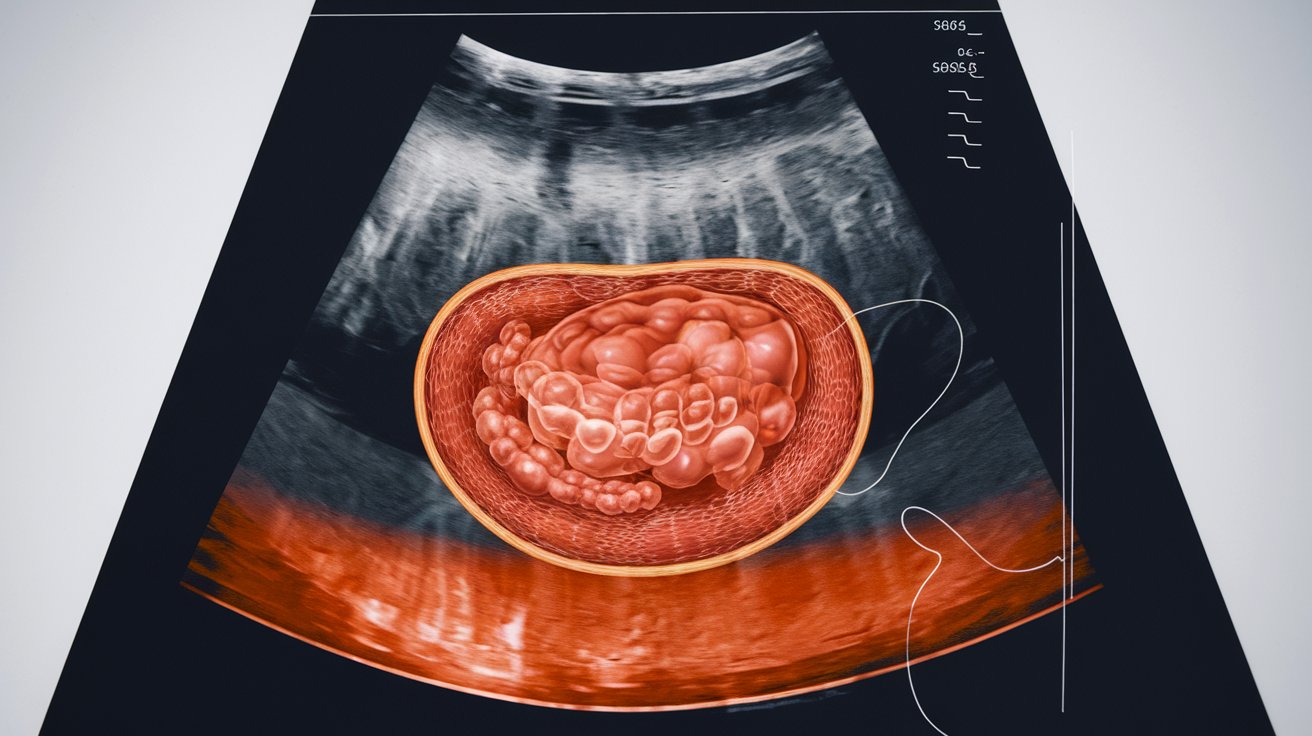
Diagnostic tools include ultrasound imaging, which provides detailed visualization of testicular structures and can distinguish between benign and potentially malignant masses. Blood tests measuring tumor markers (AFP, HCG, and LDH) help diagnose and monitor testicular cancer. When suspicious lumps are detected, prompt referral to urologic oncologists ensures appropriate diagnostic workup and treatment planning. The odds of getting testicular cancer increase with delayed evaluation, as undiagnosed tumors can metastasize to lymph nodes and distant organs.
Testicular Cancer Prognosis and Treatment Outcomes
Understanding prognosis helps alleviate anxiety surrounding testicular cancer diagnosis. The question can testicular cancer kill you has a reassuring answer: when detected early, testicular cancer is one of the most curable cancers, with overall five-year survival rates exceeding 95%. Even when cancer has spread beyond the testicle, modern treatment protocols achieve cure rates above 80%, making it highly treatable across all stages.
The testicular cancer survival rate varies by stage at diagnosis. Stage I cancer (confined to the testicle) has a five-year survival rate of 99%. Stage II cancer (spread to retroperitoneal lymph nodes) maintains survival rates of 96-98%. Stage III cancer (spread to distant organs) still achieves five-year survival rates of 73-80% with aggressive multimodal treatment. These exceptional outcomes result from testicular cancer’s high responsiveness to chemotherapy, radiation therapy, and surgical interventions.
Treatment Options and Cure Possibilities
Modern medicine offers highly effective treatments answering the question how to cure testicular cancer. Primary treatment involves radical inguinal orchiectomy, surgical removal of the affected testicle through an incision in the groin. This procedure provides definitive diagnosis through pathological examination and treats localized cancer simultaneously. Most men maintain normal testosterone levels and fertility with one healthy testicle remaining.
Chemotherapy and Radiation Therapy
Following surgery, treatment plans depend on cancer type and stage. Seminomas, comprising 40% of testicular cancers, respond exceptionally well to radiation therapy targeting retroperitoneal lymph nodes. Non-seminomas may require chemotherapy using platinum-based regimens, typically BEP (bleomycin, etoposide, cisplatin), which achieves cure rates exceeding 90% even in advanced stages. Adjuvant chemotherapy prevents recurrence by eliminating microscopic cancer cells that may have spread beyond the testicle.
Surveillance and Long-Term Monitoring
For low-risk Stage I cancers, active surveillance represents an alternative to immediate chemotherapy or radiation. This approach involves regular monitoring through physical examinations, tumor marker blood tests, and CT imaging at scheduled intervals. Approximately 80% of Stage I patients remain cancer-free with surveillance alone, avoiding treatment toxicity. When recurrence occurs, salvage treatment achieves cure in over 95% of cases, making surveillance a safe option for appropriately selected patients who commit to rigorous follow-up schedules.
Lifestyle Factors That Support Testicular Health
While no lifestyle modifications guarantee testicular cancer prevention, certain habits support overall reproductive health and may reduce cancer risk indirectly. Avoiding anabolic steroids and performance-enhancing substances is critical, as these compounds disrupt hormonal balance and potentially increase cancer risk. Some research from 2026 suggests associations between anabolic steroid use and testicular tumors, though definitive causation requires further investigation.
Protecting testicles from trauma through appropriate athletic protection during contact sports prevents injury but doesn’t directly prevent cancer. Avoiding excessive heat exposure to testicles supports healthy sperm production and may promote optimal cellular function. Men working in high-heat environments or frequently using hot tubs and saunas should practice moderation, though no direct link between heat exposure and testicular cancer has been established. Maintaining healthy weight through balanced nutrition and regular exercise supports hormonal regulation throughout the body.
Genetic Counseling and Family History Considerations
Men with family history of testicular cancer face six to ten times higher risk compared to the general population. Brothers of affected men have the highest relative risk, followed by sons of fathers with testicular cancer history. Genetic counseling provides valuable information about inherited risk factors and surveillance recommendations for high-risk families. While specific genetic mutations haven’t been definitively identified for most testicular cancers, research continues investigating chromosomal abnormalities and genetic predispositions.
If you have a first-degree relative (father or brother) with testicular cancer history, discuss enhanced surveillance strategies with your healthcare provider. Recommendations may include more frequent self-examinations, earlier initiation of clinical examinations, and potentially periodic ultrasound screening. Genetic testing currently isn’t standard for testicular cancer risk assessment, but research advances may change recommendations as scientists identify specific genetic markers associated with the leading cause of testicular cancer in predisposed individuals.
Fertility Preservation and Reproductive Planning
Young men diagnosed with testicular cancer often have concerns about future fertility. Treatment options, particularly chemotherapy and bilateral testicular involvement, can impact fertility. Before beginning treatment, healthcare providers routinely discuss sperm banking (cryopreservation) as a fertility preservation option. Sperm banking involves collecting and freezing sperm samples for future use in assisted reproductive technologies.
Most men with one healthy testicle maintain normal fertility after cancer treatment. However, chemotherapy can temporarily or permanently affect sperm production. Recovery of fertility typically occurs 2-3 years after completing chemotherapy, though individual outcomes vary. Testosterone production usually remains normal with one functioning testicle, maintaining secondary sex characteristics and libido. Men concerned about fertility should discuss reproductive planning with oncology teams before treatment initiation to explore all preservation options available in 2026.
Special Considerations: Testicular Cancer in Dogs
Pet owners searching how to prevent testicular cancer in dogs should know that neutering (castration) before sexual maturity essentially eliminates testicular cancer risk in canines. Unlike humans, veterinary medicine offers definitive prevention through early neutering, typically recommended between 6-12 months of age depending on breed size. Intact male dogs, particularly those with retained testicles (cryptorchidism), face significantly elevated testicular tumor risk.
Testicular tumors in dogs include Sertoli cell tumors, seminomas, and Leydig cell tumors. While approximately 90% of canine testicular tumors are benign, early detection through veterinary examinations and surgical removal of abnormal testicles prevents complications. Dog owners should schedule annual veterinary checkups and monitor for testicular swelling, changes in size, or behavioral changes indicating hormonal imbalances. Veterinarians can provide personalized recommendations based on breed, age, and overall health status of individual dogs.
Living After Testicular Cancer Treatment
Survivors of testicular cancer generally experience excellent long-term outcomes with normal life expectancy. However, follow-up care remains essential for monitoring potential late effects of treatment and detecting rare recurrences. Surveillance protocols typically include physical examinations, tumor marker blood tests, and imaging studies at gradually decreasing frequencies over five years post-treatment. Most recurrences occur within the first two years, making this period particularly important for vigilant monitoring.
Long-term side effects may include cardiovascular effects from chemotherapy, secondary cancers from radiation therapy, peripheral neuropathy, hearing loss from cisplatin, and psychological impacts of cancer diagnosis and treatment. Modern treatment protocols in 2026 minimize these risks through dose optimization and targeted therapies. Survivorship care plans address physical, emotional, and psychosocial needs, connecting patients with support resources and rehabilitation services. Many survivors report that early testicular cancer diagnosis and treatment allows them to return to completely normal, active lives with minimal long-term impairment.
Related video about how to prevent testicular cancer
This video complements the article information with a practical visual demonstration.
Important things to know about how to prevent testicular cancer
How to reduce testicular cancer risk?
While you cannot completely prevent testicular cancer, you can reduce risk through early treatment of undescended testicles before age two, monthly self-examinations for early detection, maintaining overall health through balanced nutrition and regular exercise, avoiding anabolic steroids, and seeking prompt medical evaluation for any testicular changes. Men with risk factors should discuss personalized screening with healthcare providers. Early detection remains the most effective strategy, with survival rates exceeding 95% when cancer is identified in early stages.
What is the leading cause of testicular cancer?
The exact leading cause of testicular cancer remains unknown, but researchers have identified key risk factors including cryptorchidism (undescended testicle), family history, personal history of testicular cancer, Klinefelter syndrome, and certain ethnic backgrounds. Genetic predisposition likely plays a significant role, with brothers of affected men having six to ten times higher risk. Most cases occur in men aged 15-44 without clear environmental triggers, suggesting genetic and developmental factors contribute more significantly than lifestyle choices to cancer development.
What are the odds of getting testicular cancer?
The lifetime odds of developing testicular cancer for men in the United States are approximately 1 in 250, making it relatively rare. However, it remains the most common cancer in young men aged 15-44. White men face four to five times higher risk compared to Black or Asian men. Men with undescended testicles, family history, or previous testicular cancer in one testicle have significantly higher odds. Despite being relatively uncommon, awareness remains important because early detection achieves cure rates exceeding 95%.
What are 5 warning signs of testicular cancer?
The five key warning signs of testicular cancer include: (1) a painless lump or swelling on either testicle, (2) sensation of heaviness or dragging in the scrotum, (3) dull ache in the lower abdomen, groin, or scrotum, (4) sudden fluid collection in the scrotum, and (5) breast tenderness or growth due to hormone-producing tumors. Any persistent changes lasting more than two weeks require immediate medical evaluation. Approximately 90% of cases present as painless lumps, making monthly self-examination critical for early detection when treatment is most effective.
Can testicular cancer be cured?
Yes, testicular cancer is one of the most curable cancers, with overall five-year survival rates exceeding 95%. Stage I cancer confined to the testicle has a 99% five-year survival rate. Even advanced Stage III cancer with distant spread achieves cure rates of 73-80% with modern treatment. Treatment typically involves surgical removal of the affected testicle followed by chemotherapy, radiation therapy, or surveillance depending on cancer type and stage. The high cure rate results from testicular cancer’s exceptional responsiveness to treatment, making it highly treatable across all stages.
Can testicular cancer kill you?
While testicular cancer can be fatal if left untreated and allowed to spread to vital organs, modern treatment achieves cure rates exceeding 95% overall. Early-stage testicular cancer has a 99% five-year survival rate. Even when cancer has metastasized to distant organs, aggressive treatment protocols cure over 73% of patients. Death from testicular cancer is rare in 2026 due to highly effective chemotherapy regimens, surgical advances, and widespread awareness promoting early detection. The key to survival is prompt medical evaluation when symptoms appear and adherence to recommended treatment protocols.
| Prevention Strategy | Implementation Details | Expected Benefit |
|---|---|---|
| Monthly Self-Examination | Perform TSE after warm shower, check for lumps, swelling, or irregularities | Early detection increases survival rate to 99% for Stage I cancer |
| Cryptorchidism Treatment | Surgical correction of undescended testicles before age 2 | Reduces cancer risk by 2-8 times compared to untreated cases |
| Annual Medical Checkups | Clinical testicular examination during routine physical exams | Professional detection of abnormalities missed during self-examination |
| High-Risk Surveillance | Enhanced monitoring for men with family history or risk factors | Earlier detection in predisposed individuals improves treatment outcomes |
| Prompt Medical Evaluation | Immediate consultation for any persistent testicular changes beyond 2 weeks | Prevents progression to advanced stages, maintains 95%+ cure rate |