Receiving a diagnosis of Gleason 6 prostate cancer, also known as Grade Group 1, can be overwhelming for patients across the United States. This is the lowest-grade form of prostate cancer, classified as 3+3 on the Gleason scoring system. Understanding what this diagnosis means for your health, treatment options, and long-term outlook is essential for making informed decisions about your care. Current medical consensus in 2026 emphasizes that Gleason score 6 prostate cancer has an excellent prognosis with proper management and monitoring.
Understanding Gleason 6 Prostate Cancer
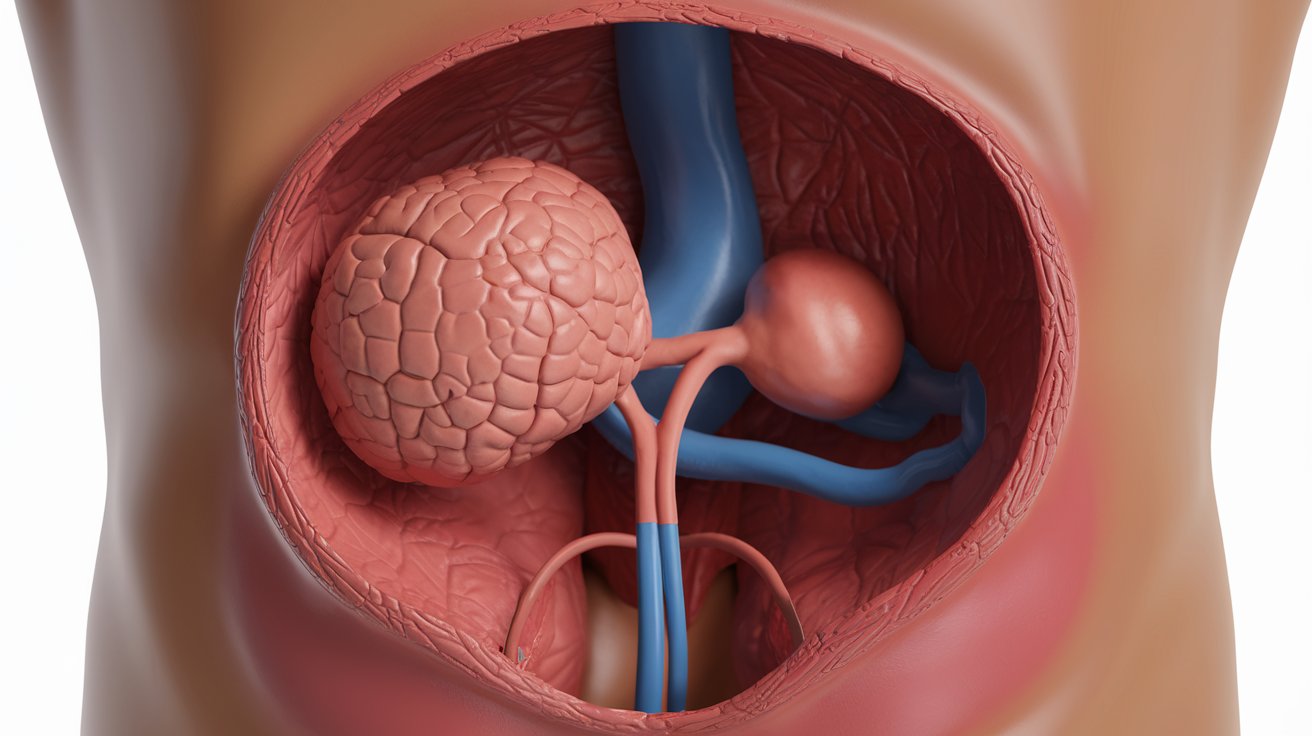
Gleason 6 prostate cancer represents the lowest grade on the prostate cancer classification system, characterized by a pattern of 3+3 that pathologists identify under microscopic examination. The Gleason scoring system, developed by Dr. Donald Gleason in the 1960s and refined through 2026, combines two pattern scores from the most common and second most common cancer patterns found in tissue samples. When both patterns are grade 3, the total Gleason score equals 6, which corresponds to Grade Group 1 in the modern classification system adopted by the International Society of Urological Pathology.
This diagnosis indicates that cancer cells appear relatively normal and are growing slowly. In the United States, approximately 40-50% of prostate cancer diagnoses fall into this category. The cellular architecture in Gleason score 6 prostate cancer shows well-formed glands that remain closely packed but have not invaded surrounding tissues aggressively. Research from major cancer centers in 2026 demonstrates that true Gleason 6 disease rarely metastasizes, making it fundamentally different from higher-grade prostate cancers.
What Stage is Gleason 6 Prostate Cancer
The staging of Gleason 6 prostate cancer depends on multiple factors beyond just the Gleason score. Most cases are diagnosed at clinical stage T1c or T2a, meaning they are typically found through PSA screening rather than physical examination. Stage T1c indicates non-palpable tumors detected through elevated PSA levels and confirmed by biopsy, while T2a means the tumor involves less than half of one lobe of the prostate. The Gleason score 6 3+3 Grade Group 1 classification, when combined with staging information, helps physicians predict behavior and recommend appropriate management strategies.
According to 2026 guidelines from the American Urological Association, Gleason 6 cancer combined with low PSA levels (typically under 10 ng/mL) and limited tumor volume qualifies as very low-risk or low-risk disease. These patients represent ideal candidates for active surveillance rather than immediate intervention. The TNM staging system considers tumor extent (T), lymph node involvement (N), and distant metastasis (M). For Grade Group 1 disease, the N and M components are almost always N0 and M0, indicating no lymph node involvement or distant spread, which significantly influences treatment recommendations and prognosis.
Gleason Score 6 Life Expectancy and Prognosis
Men diagnosed with Gleason 6 prostate cancer in the United States have an excellent life expectancy that typically matches that of men without prostate cancer. Multiple long-term studies tracking patients over 20-25 years demonstrate that properly managed Gleason 6 disease has a prostate cancer-specific mortality rate of less than 1%. The Gleason score 6 life expectancy calculator tools available in 2026 incorporate age, overall health status, PSA levels, and tumor volume to provide personalized survival estimates that consistently show favorable outcomes.
Research published by Johns Hopkins University and Memorial Sloan Kettering Cancer Center through 2026 reveals that men on active surveillance for confirmed Grade Group 1 prostate cancer have a 99% 15-year cancer-specific survival rate. For men under 65 years old with Gleason 6 disease, life expectancy primarily depends on competing health risks such as cardiovascular disease, diabetes, and other age-related conditions rather than the prostate cancer itself. The key to maintaining this excellent prognosis involves proper monitoring through active surveillance protocols that detect any potential progression early.
How Long Can You Live with Gleason 6 Prostate Cancer
Patients frequently ask how long they can live with Gleason 6 prostate cancer, and the reassuring answer is that this diagnosis should not significantly shorten life expectancy for most men. Data from the National Cancer Institute’s SEER database through 2026 shows that men with low-grade prostate cancer have survival rates exceeding 98% at 10 years and remaining above 95% at 15 years. These statistics apply to men who choose active surveillance, as well as those who undergo definitive treatment, suggesting that the cancer itself poses minimal immediate threat to longevity.
The longevity question becomes more nuanced when considering age at diagnosis. A 55-year-old man diagnosed with Gleason score 6 prostate cancer can reasonably expect to live 25-30+ more years with appropriate monitoring, as the slow-growing nature of Grade Group 1 disease means it may never require treatment during his lifetime. Conversely, an 80-year-old man with the same diagnosis will almost certainly live out his natural lifespan without the cancer becoming life-threatening. The Veterans Affairs healthcare system data from 2026 confirms that competing causes of mortality far exceed prostate cancer death rates in men with Gleason 6 disease across all age groups.
Treatment Options for Gleason 6 Prostate Cancer
Treatment for Gleason 6 prostate cancer has evolved significantly, with active surveillance becoming the preferred initial approach for most eligible patients in the United States. The National Comprehensive Cancer Network guidelines updated through 2026 recommend active surveillance as the primary management strategy for very low-risk and low-risk prostate cancer, categories that include most Gleason 6 cases. This approach involves regular monitoring through PSA tests every 3-6 months, digital rectal examinations annually, and confirmatory biopsies at scheduled intervals to ensure the cancer remains stable and low-grade.
For patients who choose or require definitive treatment, options include radical prostatectomy, radiation therapy (external beam or brachytherapy), and in select cases, focal therapies. Radical prostatectomy involves surgical removal of the entire prostate gland and offers a 99%+ cure rate for contained Gleason 6 cancer, though it carries risks of urinary incontinence and erectile dysfunction. Radiation therapy provides similar cancer control with different side effect profiles. However, leading urologists across major academic medical centers in 2026 emphasize that immediate treatment of low-risk Gleason 6 disease often represents overtreatment, exposing men to side effects without improving survival outcomes compared to surveillance.
Active Surveillance Protocol for Grade Group 1
The active surveillance protocol for Gleason score 6 3+3 Grade Group 1 prostate cancer has become highly standardized across United States cancer centers by 2026. Eligible patients typically have PSA levels below 10 ng/mL, no more than two positive biopsy cores, less than 50% cancer involvement in any single core, and clinical stage T1c or T2a disease. The surveillance schedule generally includes PSA testing every 3-6 months, annual digital rectal examinations, and confirmatory mpMRI (multiparametric magnetic resonance imaging) scans to detect any changes in tumor characteristics.
Repeat biopsies form a critical component of active surveillance, typically performed 12 months after initial diagnosis, then every 2-4 years thereafter if results remain stable. Advanced genomic testing, including Oncotype DX Prostate, Prolaris, and Decipher tests, provides additional prognostic information in 2026 to help identify which Gleason 6 prostate cancer cases might harbor more aggressive biology. Patients on active surveillance maintain quality of life while avoiding treatment-related side effects, with the security of knowing that intervention remains available if monitoring detects progression. Studies show that approximately 50-60% of men on active surveillance never require treatment during decades of follow-up.
How Often Does Gleason 6 Progress to 7
Understanding progression rates helps patients make informed decisions about managing Gleason 6 prostate cancer. Research data through 2026 indicates that apparent progression from Gleason 6 to Gleason 7 occurs in approximately 25-35% of men on active surveillance over a 10-year period. However, it is critical to understand that much of this apparent progression represents grade reclassification rather than true biological progression. Initial biopsies may miss higher-grade cancer present at diagnosis, and subsequent biopsies detect it, leading to what appears as progression but is actually more complete sampling of existing disease.
True biological progression from Grade Group 1 to Grade Group 2 or higher appears to occur less frequently than reclassification. Johns Hopkins data spanning over 20 years shows that among men with very carefully selected and confirmed Gleason 6 disease on active surveillance, the rate of developing metastatic disease remains below 0.5%. When progression to Gleason 7 is detected early through surveillance protocols, treatment at that point still offers excellent cure rates exceeding 90%. The Gleason score 6 but high PSA scenario deserves special mention, as elevated PSA with low-grade cancer may indicate larger tumor volume but does not necessarily predict progression to higher grades.
Should You Worry About Gleason 6 Diagnosis
The question of whether to worry about a Gleason 6 prostate cancer diagnosis has a nuanced answer. From a mortality perspective, validated research through 2026 demonstrates that properly monitored Grade Group 1 disease poses minimal threat to life expectancy. The emotional impact of carrying a cancer diagnosis, however, represents a legitimate concern that affects quality of life for many men. Psychological studies show that some patients experience significant anxiety about active surveillance, preferring definitive treatment for peace of mind even when medical evidence suggests surveillance is safe and appropriate.
Medical professionals in the United States increasingly advocate for renaming Gleason score 6 3+3 Grade Group 1 disease as something other than cancer to reduce psychological burden and decrease overtreatment rates. Some experts propose terms like indolent lesions of epithelial origin (IDLE) to better reflect the non-threatening nature of these findings. While waiting for terminology changes, patients should focus on the objective evidence: with proper monitoring, Gleason 6 disease has a cancer-specific survival rate exceeding 99% over 15+ years. Working with experienced urologists and support groups helps many men manage the psychological aspects of their diagnosis while making evidence-based treatment decisions.
PSA Monitoring and Gleason 6 Cancer
Prostate-specific antigen (PSA) monitoring plays a central role in managing Gleason 6 prostate cancer, though interpreting PSA levels requires understanding their limitations. The Gleason score 6 but high PSA scenario occurs when patients have confirmed low-grade cancer but PSA values exceeding 10 ng/mL. This combination may indicate larger tumor volume, benign prostatic hyperplasia contributing to PSA elevation, or potential sampling error on initial biopsy that missed higher-grade disease. Modern protocols in 2026 incorporate PSA density (PSA level divided by prostate volume) to better assess cancer significance.
PSA kinetics, including PSA doubling time and PSA velocity, provide additional information beyond absolute PSA values. For men with Grade Group 1 prostate cancer, rapid PSA doubling times (less than 3 years) may prompt more intensive surveillance or consideration of repeat biopsy even when absolute PSA levels remain relatively low. Conversely, stable PSA levels over years provide reassurance that cancer remains indolent. Advanced biomarker tests available in 2026, including the Prostate Health Index (phi), 4Kscore, and SelectMDx, offer improved specificity compared to PSA alone for distinguishing aggressive from indolent disease in men already diagnosed with Gleason 6 cancer.
Comparing Treatment Outcomes
Comparing long-term outcomes between treatment approaches for Gleason 6 prostate cancer reveals remarkable similarities in cancer control rates. The ProtecT trial, one of the largest randomized studies comparing active monitoring, surgery, and radiation therapy, followed men for 15 years and found prostate cancer-specific mortality remained below 2% across all three groups. This landmark study, with continued follow-up through 2026, demonstrates that for low-risk disease including Gleason 6, treatment choice does not significantly impact survival, though side effect profiles differ substantially.
Radical prostatectomy for treatment of Gleason 6 prostate cancer achieves biochemical recurrence-free rates exceeding 95% at 10 years, with urinary continence recovered in 85-95% of men within one year at high-volume centers. Erectile function preservation depends heavily on patient age, baseline function, nerve-sparing technique, and surgeon experience, with rates ranging from 40-80%. External beam radiation therapy provides equivalent cancer control with lower rates of urinary incontinence but higher rates of bowel symptoms and erectile dysfunction developing over 2-5 years. These comparisons underscore why active surveillance has become preferred for most Gleason 6 patients, reserving treatment side effects only for those who truly need intervention.
Genetic Testing and Risk Stratification
Genomic testing has revolutionized risk stratification for Gleason score 6 prostate cancer by 2026, providing molecular-level information that supplements traditional clinical parameters. The Oncotype DX Genomic Prostate Score analyzes 12 cancer-related genes from biopsy tissue to generate a score predicting likelihood of aggressive disease. Men with low genomic scores (0-20) have less than 3% risk of developing metastatic disease over 10 years, supporting active surveillance decisions even when clinical factors seem less favorable.
Decipher and Prolaris tests offer additional genomic perspectives, analyzing larger gene panels to assess biological aggressiveness beyond what Gleason score alone reveals. These tests help identify the small subset of Grade Group 1 cancers that harbor more aggressive molecular signatures despite low-grade appearance under microscopy. Insurance coverage for genomic testing has expanded across the United States through 2026, with Medicare and most private insurers covering these tests for appropriate clinical scenarios. Genetic counseling services help patients interpret genomic test results alongside traditional risk factors to make personalized decisions about surveillance versus treatment for their specific cancer.
Lifestyle Modifications and Gleason 6 Cancer
While lifestyle modifications cannot cure Gleason 6 prostate cancer, evidence through 2026 suggests that certain dietary and exercise interventions may slow progression and improve overall health outcomes. The ornish lifestyle modification program, combining a plant-based diet, exercise, stress management, and social support, showed in randomized trials that some men with low-risk prostate cancer experienced PSA decreases and slower progression rates compared to control groups. Mediterranean diet patterns, rich in vegetables, fruits, whole grains, healthy fats from olive oil and nuts, and omega-3 fatty acids from fish, demonstrate associations with better prostate cancer outcomes.
Regular physical activity provides multiple benefits for men with Gleason score 6 prostate cancer, including improved cardiovascular health, better metabolic profiles, enhanced quality of life, and potentially slower cancer progression. Studies from Harvard School of Public Health and the University of California San Francisco show that men who engage in vigorous exercise for at least 3 hours weekly have lower rates of disease progression and improved overall mortality compared to sedentary men. Obesity management through calorie restriction and exercise appears particularly important, as excess body fat promotes inflammation and hormonal changes that may accelerate prostate cancer growth. These lifestyle interventions complement medical surveillance and offer men proactive steps they can take to optimize their health while living with a cancer diagnosis.
Related video about gleason 6 prostate cancer
This video complements the article information with a practical visual demonstration.
What you should know
How long can you live with Gleason 6 prostate cancer?
Men diagnosed with Gleason 6 prostate cancer can expect to live a normal lifespan that matches men without prostate cancer. Studies through 2026 show that properly monitored Grade Group 1 disease has a cancer-specific survival rate exceeding 99% at 15 years. Life expectancy depends primarily on age at diagnosis and other health conditions rather than the prostate cancer itself. A 60-year-old man with Gleason 6 disease can reasonably expect to live 20-30+ more years with appropriate surveillance, as this slow-growing cancer rarely progresses to life-threatening stages when properly monitored.
Should I worry about Gleason 6 prostate cancer?
From a medical perspective, Gleason 6 prostate cancer should not cause significant worry as it has an excellent prognosis with proper monitoring. Research confirms that true Grade Group 1 disease rarely metastasizes and has a cancer-specific mortality rate below 1% over 20+ years. However, the psychological impact of carrying a cancer diagnosis is real and valid. Working with experienced urologists, considering active surveillance as a safe alternative to immediate treatment, and joining support groups can help manage anxiety. Many experts advocate renaming Gleason 6 as a non-cancer condition to reduce unnecessary worry and overtreatment.
How is Gleason 6 prostate cancer treated in 2026?
The preferred initial approach for Gleason 6 prostate cancer in 2026 is active surveillance rather than immediate treatment. This involves regular PSA testing every 3-6 months, annual digital rectal exams, periodic MRI scans, and confirmatory biopsies to monitor for any progression. For patients who choose or require definitive treatment, options include radical prostatectomy, radiation therapy, or focal therapies. However, national guidelines recommend active surveillance for most Grade Group 1 patients because treatment does not improve survival compared to monitoring, while avoiding side effects like incontinence and erectile dysfunction that treatments may cause.
What does Gleason score 6 but high PSA mean?
Having Gleason score 6 prostate cancer with high PSA levels (typically above 10 ng/mL) can indicate several scenarios. The elevated PSA may reflect larger tumor volume, benign prostatic enlargement contributing to PSA elevation, or potential sampling error on the initial biopsy that missed higher-grade cancer. In 2026, urologists use PSA density (PSA divided by prostate volume measured on MRI) to better assess cancer significance. Patients with this combination typically undergo more intensive surveillance including confirmatory MRI and possibly repeat biopsy to ensure no higher-grade disease was missed. High PSA alone with confirmed low-grade cancer does not necessarily indicate aggressive disease.
How often does Gleason 6 progress to Gleason 7?
Apparent progression from Gleason 6 to Gleason 7 occurs in approximately 25-35% of men on active surveillance over 10 years, but much of this represents reclassification rather than true biological progression. Initial biopsies may miss higher-grade cancer that subsequent biopsies detect, making it appear as progression when the higher grade was actually present from the start. True biological progression from Grade Group 1 to higher grades appears less common. When detected early through surveillance protocols, treatment at the time of progression still offers excellent cure rates exceeding 90%. The risk of developing metastatic disease from carefully confirmed Gleason 6 cancer remains below 0.5% over 20+ years.
What is the life expectancy calculator for Gleason score 6?
Life expectancy calculators for Gleason score 6 prostate cancer available in 2026 incorporate multiple factors including age at diagnosis, overall health status, PSA levels, tumor volume, and comorbid conditions to provide personalized survival estimates. Tools from Memorial Sloan Kettering, Johns Hopkins, and the University of California San Francisco combine these variables to show that most men with Grade Group 1 disease have life expectancies determined by other health factors rather than prostate cancer. These calculators consistently demonstrate 15-year cancer-specific survival rates above 99% for properly monitored Gleason 6 disease, with overall survival depending primarily on age and competing health risks like heart disease and diabetes.
| Key Aspect | Important Details | Patient Benefit |
|---|---|---|
| Survival Rate | 99%+ cancer-specific survival at 15 years with proper monitoring | Excellent long-term prognosis matching men without prostate cancer |
| Recommended Management | Active surveillance with PSA every 3-6 months, annual exams, periodic biopsies | Avoid treatment side effects while maintaining cancer control |
| Progression Risk | 25-35% apparent progression over 10 years, mostly reclassification | Early detection of any changes allows timely intervention if needed |
| Metastasis Risk | Less than 0.5% develop metastatic disease over 20+ years | Minimal threat of cancer spreading beyond prostate |
| Treatment Efficacy | Surgery and radiation both achieve 95%+ cure rates if treatment needed | Effective treatment options available when medically necessary |
| Genomic Testing | Oncotype DX, Decipher, Prolaris provide molecular risk assessment | Personalized risk stratification beyond Gleason score alone |