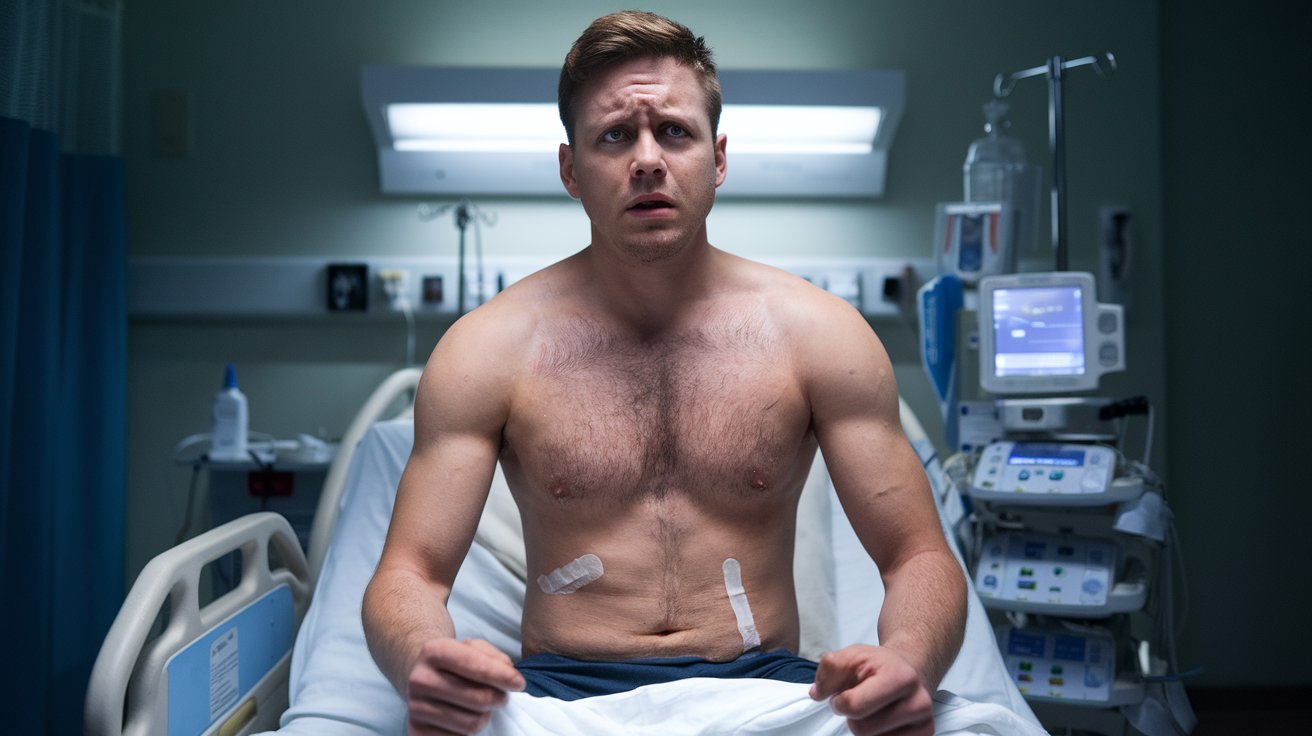
Understanding vasectomy recovery day by day helps you prepare for what to expect after this common procedure. Most men return to normal activities within a week, but complete healing takes about 4-6 weeks. This comprehensive guide walks you through each day of recovery with specific symptoms, activity guidelines, and tips to ensure optimal healing throughout 2026 and beyond.
Day 0: Vasectomy Procedure Day
The actual vasectomy procedure takes only 15-30 minutes and is typically performed under local anesthesia in an outpatient setting. After the procedure, you will rest for about 15-20 minutes while medical staff monitors you for any immediate complications. Most men experience minimal discomfort during this time, though some report a tugging sensation or mild pressure. Before leaving the facility, you will receive detailed post-operative instructions and prescriptions for pain management if necessary.
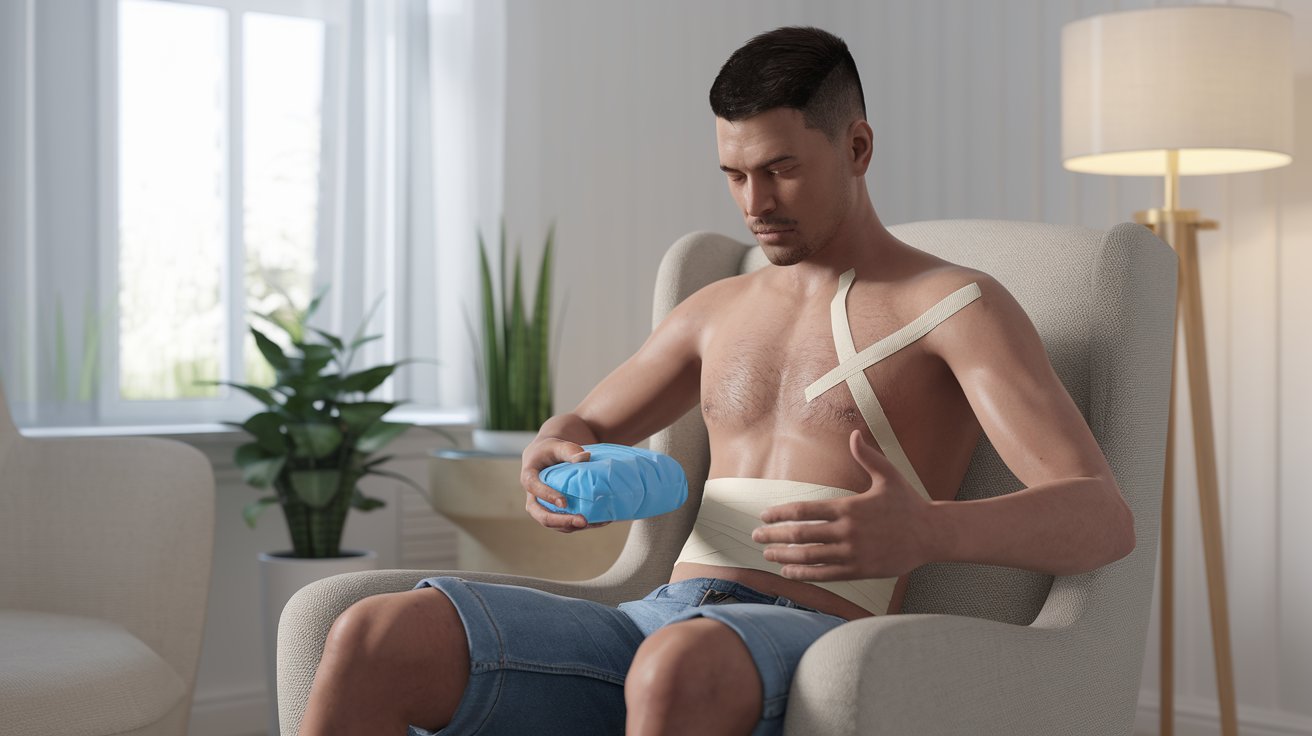
Transportation home is absolutely essential because you should not drive immediately after the procedure. The effects of anesthesia, combined with potential dizziness or discomfort, make driving unsafe. Once home, apply an ice pack to the scrotal area for 20 minutes every hour during waking hours. This reduces swelling and manages pain effectively. Expect to spend the remainder of the day resting in a reclined position with supportive underwear or an athletic supporter.
Days 1-2: Critical Rest Period
The first 48 hours constitute the most critical rest period after your vasectomy. Many men ask about bed rest requirements, and the answer is that you should remain primarily sedentary with minimal movement. Light walking to the bathroom is acceptable, but avoid stairs, lifting, and extended standing. Pain levels typically peak during these days, ranging from mild discomfort to moderate pain that responds well to over-the-counter medications like ibuprofen or acetaminophen.
Swelling and bruising are completely normal during days 1-2, with the scrotum appearing larger and potentially discolored. Continue ice pack application for 20-minute intervals, spacing them 3-4 hours apart. Sleep in a semi-reclined position using pillows for support beneath your hips and knees. This elevation reduces pressure on the surgical site and minimizes swelling. Avoid showering until 24 hours post-procedure, and when you do shower, keep water temperature lukewarm and avoid direct spray on the incision sites.
Day 3: Transition to Limited Activity
By day 3 after vasectomy, most men notice significant improvement in pain levels and can reduce reliance on pain medication. The sharp, acute discomfort transitions to a duller ache or tenderness with movement. Swelling typically peaks around this time before beginning to subside. You can increase activity slightly by taking short walks around your home, which promotes circulation and prevents blood clots without stressing the surgical site.
Many patients wonder about sitting in a chair by day 3, and the answer is yes, but with modifications. Use a small pillow or cushion for support and limit sitting sessions to 30-45 minutes before standing and moving briefly. Avoid deep sofas or chairs that require straining to stand up. Continue wearing supportive underwear throughout the day and night. You may resume light desk work from home if your job does not require physical labor, but avoid commuting or extended periods away from rest facilities.
Days 4-5: Gradual Activity Increase
During vasectomy day 4 and 5, noticeable improvement occurs for most men. Pain diminishes to mild discomfort or occasional twinges with specific movements. Swelling decreases substantially, though some men retain minor puffiness for several more days. You can discontinue regular ice pack use at this stage, applying cold therapy only if you notice increased swelling or discomfort after activity.
Light household activities become manageable by day 4-5, including cooking simple meals, light cleaning without bending or stretching, and personal hygiene tasks. However, continue avoiding heavy lifting of anything exceeding 10-15 pounds. This includes grocery bags, children, pets, and exercise weights. The internal healing process remains vulnerable to disruption, and premature strain can cause complications like hematoma formation or increased recovery time.
Days 6-7: Return to Work Considerations
By the end of the first week, approximately 60-70% of men feel ready to return to work, depending on their occupation. Desk jobs and sedentary work typically pose no issues after 5-7 days of recovery. However, occupations involving physical labor, heavy lifting, prolonged standing, or operating heavy machinery require extended time off, typically 10-14 days minimum. Consult your healthcare provider before returning to physically demanding work.
The question of when you can drive after vasectomy becomes relevant around days 6-7. Most urologists clear patients to drive after 3-5 days if they have stopped taking narcotic pain medications and can perform emergency maneuvers without hesitation or discomfort. Test your readiness by sitting in your parked vehicle and practicing sudden brake application. If this causes significant discomfort, wait another day or two before driving on public roads.
Week 2: Continued Healing and Activity Expansion
The second week after vasectomy marks a transition toward normal daily activities for most men. Pain should be minimal or absent, occurring only with specific movements or at the end of long days. Any remaining swelling is typically minor and localized. You can resume most normal activities including moderate walking, light yard work, and household tasks that previously caused discomfort.
However, several important restrictions remain during week 2. Continue avoiding heavy lifting, strenuous exercise, and sexual activity until your healthcare provider gives explicit clearance, typically after 7-10 days minimum. Running, cycling, swimming, and weightlifting should wait until at least day 14-21 to prevent complications. The vas deferens incision sites need this extended time to heal completely and form strong scar tissue that can withstand increased intra-abdominal pressure.
Weeks 3-4: Resuming Exercise and Physical Activity
Between weeks 3-4, most men receive medical clearance to resume exercise gradually. Start with low-impact activities like walking, light jogging, or stationary cycling at reduced intensity. Monitor your body’s response carefully, stopping immediately if you experience pain, swelling, or unusual sensations. Gradually increase intensity and duration over several workout sessions rather than returning immediately to pre-vasectomy levels.
Weightlifting and high-intensity training require the most caution during weeks 3-4. Begin with weights at 50% of your previous working weight and focus on proper form rather than heavy loads. Avoid exercises that create significant intra-abdominal pressure such as heavy squats, deadlifts, or overhead presses until week 5-6. Contact sports and activities with risk of groin impact should wait until 6-8 weeks post-procedure to ensure complete internal healing.
When Pain Should Stop After Vasectomy
Understanding the normal timeline for pain resolution helps you identify potential complications early. Acute, sharp pain typically resolves within 3-5 days, transitioning to mild tenderness that disappears by day 7-10 for most men. Occasional twinges or brief discomfort with specific movements may persist for 2-3 weeks and are considered normal parts of the healing process.
However, certain pain patterns warrant medical attention. Pain that worsens after initial improvement, severe pain unresponsive to over-the-counter medication, or pain accompanied by fever, excessive swelling, or discharge requires immediate evaluation. Chronic pain persisting beyond 3 months occurs in approximately 1-2% of vasectomy patients and is called post-vasectomy pain syndrome. This condition requires specialized treatment and should never be dismissed as normal recovery.
Incision Healing and When Holes Close
Many men wonder how long the incision takes to close after vasectomy, and the answer depends on the technique used. Traditional vasectomy creates 1-2 small incisions that are often closed with dissolvable sutures, healing completely within 7-10 days. The no-scalpel technique creates a tiny puncture wound that typically seals within 2-3 days without sutures, though complete internal healing still requires several weeks.
Superficial incision healing progresses through predictable stages. Days 1-3 show active wound healing with possible slight drainage or oozing. Days 4-7 feature scab formation and epithelial closure. By days 8-14, surface healing appears complete with pink, new skin visible. However, internal tissue healing continues for 4-6 weeks, which is why activity restrictions extend well beyond visible wound closure. Never judge complete healing solely by external appearance.
Managing Side Effects During Recovery
Common vasectomy side effects during recovery are manageable with proper care and realistic expectations. Swelling affects nearly all patients but varies in severity from barely noticeable to substantial enlargement. Bruising appears in 50-60% of cases, ranging from slight discoloration to dramatic purple-black appearance that resolves over 10-14 days. Both respond well to ice therapy, supportive garments, and elevation during the first week.
Less common but still normal side effects include mild bleeding or spotting from incision sites during the first 2-3 days, temporary numbness in the scrotal skin that resolves over several weeks, and hard lumps near the incision sites caused by sperm granulomas. These granulomas occur when sperm leak from the cut vas deferens and trigger inflammation. Most resolve spontaneously within 6-12 weeks without treatment, though persistent or enlarging lumps warrant medical evaluation.
Vasectomy Recovery Tips for Optimal Healing
Following proven vasectomy recovery tips significantly impacts your healing timeline and reduces complication risk. First, commit completely to the initial 48-hour rest period without exception. Men who push activity too early consistently experience prolonged recovery and higher complication rates. Second, maintain consistent use of supportive underwear or athletic supporters for the entire first week, including during sleep.
Additional recovery strategies include staying well-hydrated to promote tissue healing, eating a balanced diet rich in protein and vitamins for optimal wound repair, and taking prescribed or recommended pain medication on schedule rather than waiting until pain becomes severe. Avoid alcohol for the first 48 hours as it can increase bleeding risk and interact with pain medications. Keep the surgical area clean and dry, changing supportive garments daily and inspecting incision sites for signs of infection including increasing redness, warmth, or purulent discharge.
When to Contact Your Healthcare Provider
Recognizing warning signs that require medical attention prevents serious complications. Contact your healthcare provider immediately if you develop fever above 100.4°F (38°C), which may indicate infection. Severe pain uncontrolled by prescribed medications, rapidly increasing swelling, or one side of the scrotum becoming significantly larger than the other suggests hematoma formation requiring evaluation.
Other concerning symptoms include excessive bleeding soaking through dressings, foul-smelling discharge from incision sites, or red streaks extending from the incision sites upward toward the abdomen. While rare, these signs indicate potential infection requiring prompt antibiotic treatment. Additionally, seek guidance if you experience persistent nausea, inability to urinate, or any symptom causing significant concern even if not listed here. Healthcare providers prefer evaluating unnecessary concerns over missing genuine complications.
Related video about vasectomy recovery day by day
This video complements the article information with a practical visual demonstration.
FAQ – Common Questions
How long are you on bed rest after a vasectomy?
Strict bed rest is recommended for the first 24-48 hours after vasectomy, during which you should remain reclined with minimal activity beyond bathroom trips. After this critical period, you can gradually increase light activity while avoiding strenuous tasks. Most men transition from bed rest to limited household activity by day 3-4, but full activity restrictions continue for 7-14 days depending on occupation and lifestyle. Complete recovery allowing unrestricted activity typically takes 4-6 weeks.
How long does it take for the hole to close after a vasectomy?
The superficial incision or puncture site closes within 2-10 days depending on the vasectomy technique used. No-scalpel vasectomy creates tiny punctures that seal within 2-3 days without sutures, while traditional incisions closed with dissolvable sutures heal within 7-10 days. However, complete internal healing of the vas deferens and surrounding tissue requires 4-6 weeks. External closure does not indicate complete healing, which is why activity restrictions extend several weeks beyond visible wound healing.
Can I sit in a chair after a vasectomy?
Yes, you can sit in a chair after vasectomy, but with important modifications during the first week. Use cushions or pillows for support, limit sitting sessions to 30-45 minutes before standing and moving, and avoid deep chairs requiring strain to stand. Sitting is generally more comfortable than standing during days 1-3, but prolonged sitting without position changes can increase swelling. By day 4-5, most men tolerate normal sitting for work or meals without significant discomfort. Always listen to your body and adjust positions when discomfort increases.
Can I drive 2 days after a vasectomy?
Driving 2 days after vasectomy is generally not recommended by most urologists. Safe driving requires the ability to perform emergency maneuvers without hesitation, and pain or discomfort during sudden movements compromises this ability. Additionally, if you are taking narcotic pain medications, driving is unsafe and potentially illegal. Most healthcare providers clear patients to drive after 3-5 days when pain has significantly decreased and they have stopped narcotic medications. Test your readiness in a parked vehicle before driving on public roads.
What are the most important things to avoid during vasectomy recovery?
The most critical things to avoid during vasectomy recovery include heavy lifting over 10-15 pounds for 2-3 weeks, sexual activity for 7-10 days minimum, strenuous exercise including running and weightlifting for 2-3 weeks, and submerging the incision site in pools or baths for the first week. Also avoid tight clothing that restricts circulation, alcohol consumption during the first 48 hours, and pushing through pain rather than resting when your body signals discomfort. Following these restrictions prevents complications and ensures optimal healing.
Is it normal to have pain on one side longer than the other after vasectomy?
Yes, asymmetric pain is relatively common during vasectomy recovery, with one side healing slower or experiencing more discomfort than the other. This occurs because individual anatomy varies, surgical access may differ between sides, or one vas deferens may have had slightly more manipulation during the procedure. As long as pain gradually improves over days and weeks without signs of infection, asymmetric healing is normal. However, if one side develops significantly worse pain, increasing swelling, or concerning symptoms, contact your healthcare provider for evaluation.
| Recovery Phase | Timeline | Key Activities and Restrictions |
|---|---|---|
| Immediate Recovery | Days 0-2 | Strict rest, ice therapy every hour, no driving, minimal movement |
| Early Healing | Days 3-7 | Light activity, potential return to desk work, driving after day 3-5 |
| Progressive Recovery | Weeks 2-3 | Most normal activities, continue avoiding heavy lifting and intense exercise |
| Full Activity Return | Weeks 4-6 | Gradual return to all activities including exercise and contact sports |
| Complete Healing | 6-8 Weeks | Full internal healing, no restrictions, follow-up semen analysis |