
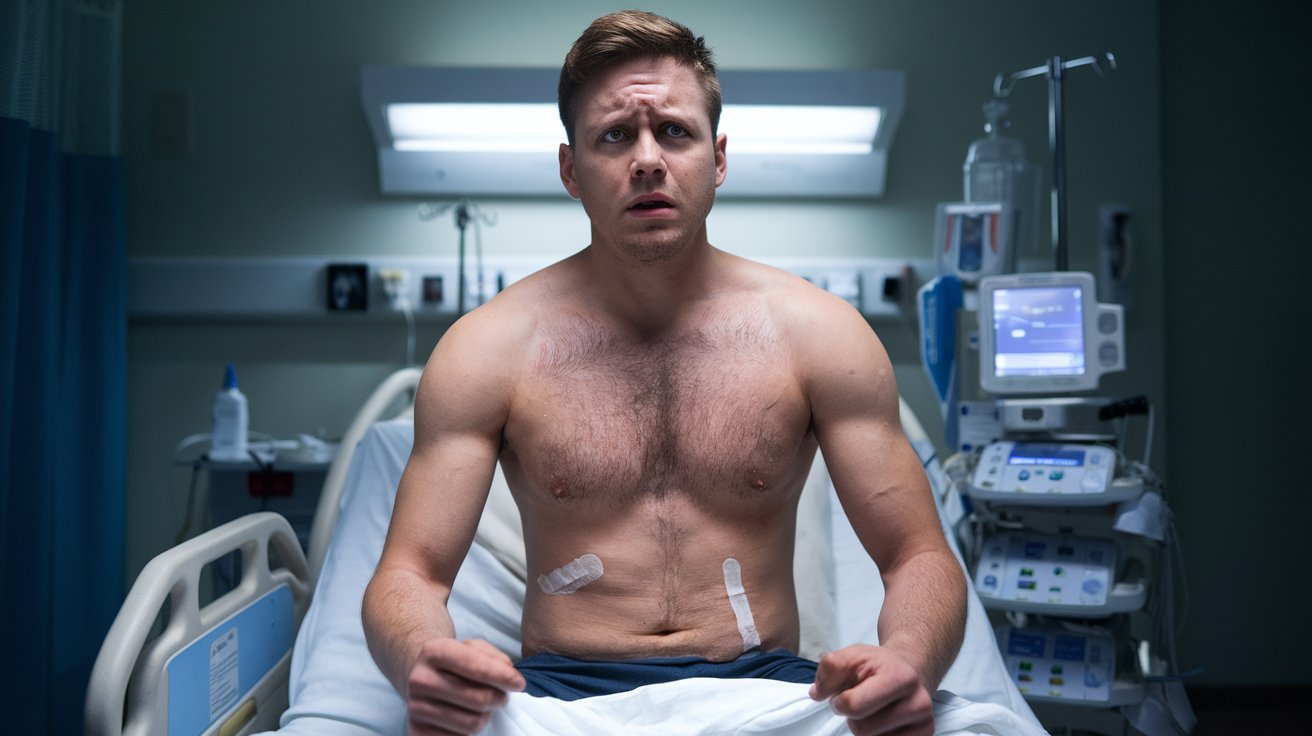
If you’re considering permanent birth control, the question “does a vasectomy hurt?” is likely at the forefront of your concerns. The good news is that modern vasectomy procedures involve minimal pain during the operation due to effective local anesthesia. Most men report discomfort levels between 2-4 on a 10-point scale during the procedure, with mild soreness for several days afterward. This comprehensive guide provides detailed insights into what to expect before, during, and after a vasectomy in 2026, including recovery timelines, pain management strategies, and answers to your most pressing questions.
Understanding Vasectomy Pain Levels: The Reality
When men ask how painful is a vasectomy on a scale of 1-10, most urologists and patients report the actual procedure ranges from 2 to 4 out of 10. The local anesthetic injection causes the most noticeable sensation, described as a quick pinch or bee sting lasting just seconds. Once the area is numb, patients typically feel only pressure or tugging sensations without actual pain during the 20-30 minute procedure. According to 2026 clinical data from American urological practices, over 87% of vasectomy patients rate their experience as less painful than anticipated.
The post-procedure discomfort varies more significantly between individuals. Most men experience mild to moderate aching similar to being kicked lightly in the groin, with pain levels typically ranging from 3-5 out of 10 during the first 48 hours. This post-vasectomy pain is manageable with over-the-counter medications like ibuprofen or acetaminophen. The discomfort generally subsides to 1-2 out of 10 by day three or four, with complete resolution within one to two weeks for the vast majority of patients.
What Happens During the Vasectomy Procedure
Understanding the vasectomy procedure steps helps demystify concerns about pain. Your urologist begins by administering local anesthesia to numb the scrotal area completely. Modern techniques in 2026 often use a no-needle jet injector that delivers anesthetic through the skin using high pressure, eliminating the traditional needle stick. The doctor then makes one or two small openings to access the vas deferens tubes that carry sperm from the testicles.
During the actual vasectomy operation, you’ll be awake but feel no pain in the numbed area. The surgeon cuts and seals each vas deferens, preventing sperm from mixing with semen. The entire process takes approximately 20-30 minutes. Most patients report feeling mild tugging or pressure sensations, but the anesthetic prevents actual pain throughout the procedure. Some men experience brief anxiety rather than physical discomfort, which is completely normal and manageable.
Immediate Post-Procedure Sensations
Immediately after your vasectomy procedure, the local anesthetic continues working for 1-3 hours. During this window, you’ll feel minimal to no discomfort. As the numbing medication wears off, most men notice a dull aching sensation developing in the scrotal area. This initial discomfort typically rates around 3-4 out of 10 on the pain scale. Applying ice packs as directed and wearing supportive underwear significantly reduces this sensation.
The first 24 hours require the most attention to pain management after vasectomy. You may experience swelling, tenderness, and a feeling of heaviness in the scrotal area. Taking prescribed or recommended pain relievers before the anesthetic fully wears off helps stay ahead of discomfort. Most patients in 2026 United States practices receive detailed post-operative instructions including ice application schedules, activity restrictions, and medication timing to optimize comfort during this initial recovery period.
Recovering from a Vasectomy: Timeline and Expectations
The vasectomy recovery timeline follows a predictable pattern for most men. Days 1-2 involve the most significant discomfort, with tenderness, mild swelling, and aching that responds well to ice application and anti-inflammatory medications. By days 3-4, pain levels typically drop to 1-2 out of 10, with many men returning to desk work. Days 5-7 mark noticeable improvement, with most discomfort resolving though the area may remain slightly tender to touch.
Complete healing from a vasectomy takes approximately 7-14 days for most patients. By week two, over 90% of men report no significant pain, though some residual sensitivity may persist when pressure is applied. Full return to all physical activities, including heavy lifting and vigorous exercise, is typically cleared at the two-week mark. Sexual activity can usually resume after one week, though ejaculation may cause mild discomfort initially. It’s crucial to remember that you’re not sterile immediately; sperm clearance takes approximately 15-20 ejaculations or 8-12 weeks, requiring follow-up testing.
Pain Management Strategies That Work
Effective vasectomy pain management begins before you leave the surgical center. Your healthcare provider will recommend a specific protocol, typically involving over-the-counter anti-inflammatory medications like ibuprofen (400-600mg every 6 hours) or acetaminophen (500-1000mg every 6 hours). Taking medication on schedule for the first 48-72 hours, rather than waiting for pain to develop, provides superior pain control after vasectomy. Prescription pain medication is rarely necessary for standard vasectomy procedures in 2026.
Beyond medication, several non-pharmaceutical approaches significantly reduce post-vasectomy discomfort. Ice packs applied for 20 minutes every 2-3 hours during the first 48 hours dramatically decrease swelling and pain. Wearing supportive athletic underwear or a jockstrap provides gentle compression that minimizes movement and reduces aching sensations. Elevating the scrotum using rolled towels while lying down takes pressure off the surgical site. Avoiding hot showers, baths, and saunas for the first week prevents increased blood flow that can intensify swelling and discomfort.
Comparing Vasectomy Pain to Other Procedures
Many people wonder does a vasectomy hurt more than getting tubes tied, comparing male and female sterilization options. Tubal ligation for women involves general anesthesia and abdominal surgery, requiring incisions through the abdominal wall and manipulation of internal organs. Recovery typically takes 1-3 weeks with significantly more post-operative pain. In contrast, a vasectomy is far less invasive, performed with local anesthesia through tiny openings, with most men resuming normal activities within days rather than weeks.
Compared to other common procedures men experience, vasectomy pain levels are generally less than dental extractions, which often rate 5-7 out of 10 post-procedure. The discomfort is similar to or less than a moderate muscle strain or minor sports injury. When compared to kidney stones, hernias, or even severe dental pain, the vasectomy ranks considerably lower on the pain spectrum. Understanding these comparisons helps set realistic expectations and alleviates pre-procedure anxiety that many men experience.
Does a Vasectomy Affect Sexual Function or Hormones
A common concern is does a vasectomy hurt testosterone levels or sexual performance. The answer is definitively no. Vasectomy only blocks sperm transport through the vas deferens; it doesn’t affect testosterone production, which occurs in the testicles and enters the bloodstream directly. Your hormone levels remain completely unchanged after the procedure. Multiple studies through 2026 confirm that vasectomy has no impact on testosterone levels, muscle mass, energy levels, or any other hormone-dependent functions.
Regarding the question do you last longer if snipped, vasectomy does not physiologically change ejaculation timing or sexual performance. Any reported changes in sexual duration are typically psychological rather than physical. Many men actually report improved sexual satisfaction after vasectomy due to eliminated pregnancy anxiety and no need for other contraceptive methods. The vasectomy procedure preserves all erectile function, sensation, orgasm intensity, and ejaculation volume (sperm comprises only 2-5% of semen volume). Sexual desire and performance remain identical to pre-vasectomy function.
Activity Restrictions and Recovery Guidelines
Understanding how long after a vasectomy can I drive a car is important for procedure planning. Most men can drive themselves home if someone else drove them to the appointment, though having a driver for the day of the procedure is recommended due to potential anxiety medication effects. For the first 48 hours, limit driving to essential trips only, as vibrations and sitting positions may increase discomfort. By day three, most patients report no issues with normal driving activities.
The question can I masturbate 3 days after a vasectomy addresses sexual activity timing. Most urologists recommend waiting 5-7 days before any ejaculation to allow initial healing. Ejaculating too soon can cause discomfort, bleeding, or delayed healing. When you do resume sexual activity, start gently and stop if you experience pain. Remember that you’re not sterile immediately after vasectomy; continue using contraception until semen analysis confirms zero sperm count, typically after 15-20 ejaculations or 8-12 weeks. Heavy lifting over 10-15 pounds should be avoided for 7-10 days to prevent complications.
Vasectomy Costs and Considerations in 2026
When researching how much is a vasectomy, costs in the United States vary considerably based on location, provider, and insurance coverage. In 2026, the average out-of-pocket cost ranges from $500-$3,000 for the procedure. Many insurance plans cover vasectomy as preventive care under the Affordable Care Act, potentially reducing your cost to just a copay. Urban areas typically see higher prices, while rural clinics may offer more affordable options. Some Planned Parenthood locations and community health centers provide sliding-scale vasectomy fees based on income.
The total vasectomy cost includes the consultation visit, the procedure itself, local anesthesia, surgical supplies, and follow-up semen analysis testing. Some practices bundle everything into one price, while others itemize services. Always verify what’s included when comparing costs. Despite the upfront expense, vasectomy is the most cost-effective long-term contraception method, with the investment paying for itself within 2-3 years compared to ongoing costs of other birth control methods. Most men consider it a worthwhile investment for permanent, reliable contraception.
Signs of Complications Requiring Medical Attention
While serious vasectomy complications are rare (occurring in less than 2% of procedures), knowing warning signs ensures prompt treatment if needed. Contact your healthcare provider immediately if you experience fever above 101°F, which could indicate infection. Severe or worsening pain that doesn’t respond to prescribed medication, especially after the first 48 hours, warrants medical evaluation. Excessive swelling where the scrotum becomes larger than an orange, or bleeding that soaks through dressings, requires immediate attention.
Other concerning symptoms include signs of vasectomy infection such as increasing redness, warmth, red streaks extending from the incision site, or pus-like drainage. A hard lump larger than a pea that persists beyond the first week might indicate a hematoma or sperm granuloma requiring assessment. Most post-vasectomy issues resolve with conservative treatment, but early intervention prevents more serious complications. The vast majority of men (over 98%) experience straightforward healing without any complications, making vasectomy one of the safest surgical procedures performed.
Vasectomy Reversal: Pain and Feasibility
Some men wonder does it hurt to get a vasectomy reversed when considering future options. Vasectomy reversal is a more complex microsurgical procedure requiring general or spinal anesthesia. The surgery takes 2-4 hours and involves reconnecting the vas deferens tubes using microscopic sutures. Post-operative pain from reversal is generally moderate, rating 4-6 out of 10 for the first few days, which is somewhat higher than the original vasectomy. Recovery takes 2-3 weeks before returning to normal activities.
It’s crucial to approach vasectomy as permanent contraception rather than a reversible procedure. While reversal success rates range from 40-90% depending on time elapsed since vasectomy, pregnancy rates are lower at 30-75%. The procedure costs $5,000-$15,000 and is rarely covered by insurance. Factors affecting reversal success include time since original vasectomy (success decreases after 10 years), surgeon expertise, and individual healing responses. If you have any doubts about wanting permanent sterilization, consider other contraceptive options instead.
Real Patient Experiences and Perspectives
When searching does a vasectomy hurt reddit, you’ll find thousands of first-hand accounts from men sharing their experiences. The overwhelming consensus from patient forums in 2026 is that the anticipation and anxiety prove worse than the actual procedure. Many men report being surprised by how quick and manageable the process was. Common themes include feeling pressure rather than pain during the procedure, experiencing soreness similar to minor sports injuries afterward, and regretting not doing it sooner due to the life-changing benefits of worry-free intimacy.
Patient testimonials frequently mention that preparation and following post-operative instructions significantly impact comfort levels. Men who arranged proper rest time, used ice packs diligently, wore supportive underwear, and took pain medication as directed report easier recoveries than those who immediately returned to normal activities. The consensus is clear: modern vasectomy techniques cause minimal pain, brief recovery, and provide permanent contraception that most men find liberating. Reading real experiences helps set appropriate expectations and reduces pre-procedure anxiety.
Related video about does a vasectomy hurt
This video complements the article information with a practical visual demonstration.
Your questions answered
How painful is a vasectomy on a scale of 1-10?
During the actual vasectomy procedure, most men rate pain at 2-4 out of 10, primarily from the initial anesthetic injection. The procedure itself is painless due to effective numbing. Post-procedure discomfort typically ranges from 3-5 out of 10 during the first 48 hours, then decreases to 1-2 by days 3-4. Over 87% of vasectomy patients in 2026 report the experience being less painful than anticipated, with proper pain management making recovery quite manageable for the vast majority of men.
Can you tell if a guy has had a vasectomy?
No, you cannot tell if someone has had a vasectomy through physical examination, appearance, or sexual function. The tiny incision sites (often less than 1 centimeter) heal completely within weeks, leaving minimal to no visible scarring. Vasectomy doesn’t affect penis size, erection quality, testosterone levels, ejaculation volume, or sexual performance. Even during intimate contact, there are no detectable differences. Only surgical records or semen analysis results would reveal a vasectomy, making it a completely private decision with no external indicators.
How long does a vasectomy hurt after the procedure?
Most vasectomy pain resolves within 7-14 days. The first 48 hours involve the most discomfort (typically 3-5 out of 10), which decreases significantly by days 3-4 to minimal levels (1-2 out of 10). By one week, over 80% of men report little to no pain, though mild tenderness with pressure may persist. Complete healing typically occurs within two weeks, when all activities including vigorous exercise can resume. A small percentage of men experience occasional mild discomfort for up to a month, but persistent pain beyond this timeframe is rare and should be evaluated.
Does a vasectomy affect testosterone or sexual performance?
No, vasectomy has absolutely no effect on testosterone levels or sexual performance. The procedure only blocks sperm transport through the vas deferens; it doesn’t involve the testicles where testosterone is produced and released directly into the bloodstream. Multiple studies through 2026 confirm that vasectomy patients maintain identical hormone levels, sex drive, erection quality, orgasm intensity, and ejaculation function compared to before the procedure. Many men actually report improved sexual satisfaction due to eliminated pregnancy concerns and no need for other contraceptive methods during intimacy.
When can I return to work after a vasectomy?
Return-to-work timing depends on your job type. Men with desk jobs or sedentary work can typically return within 2-3 days, though some go back after just one day of rest. Those with physically demanding jobs requiring heavy lifting, prolonged standing, or strenuous activity should wait 5-7 days or up to two weeks for optimal healing. Most employers don’t need to know the reason for your absence—a simple note for medical procedure is sufficient. Planning your vasectomy before a weekend allows most men to return to work by Monday with minimal disruption.
Is vasectomy reversal possible if I change my mind?
While vasectomy reversal is technically possible, you should consider vasectomy permanent contraception. Reversal is complex microsurgery costing $5,000-$15,000 (rarely insurance-covered) with success rates of 40-90% for reconnection and 30-75% for achieving pregnancy, depending on time elapsed. Success decreases significantly after 10 years post-vasectomy. The reversal procedure involves more pain and longer recovery than the original vasectomy. If you have any uncertainty about wanting permanent sterilization, explore alternative contraception methods instead of relying on potential reversal options.
| Vasectomy Aspect | Pain Level & Timeline | Key Benefit |
|---|---|---|
| During Procedure | 2-4 out of 10 (mostly pressure, minimal pain) | Local anesthesia provides effective numbness |
| First 48 Hours | 3-5 out of 10 (manageable with medication) | Ice and rest minimize discomfort |
| Days 3-7 | 1-2 out of 10 (minimal tenderness) | Return to most normal activities |
| Week 2 Onward | 0-1 out of 10 (essentially pain-free) | Full activity clearance, complete healing |
| Long-Term Effects | No chronic pain (98% complication-free) | Permanent contraception, no hormone changes |