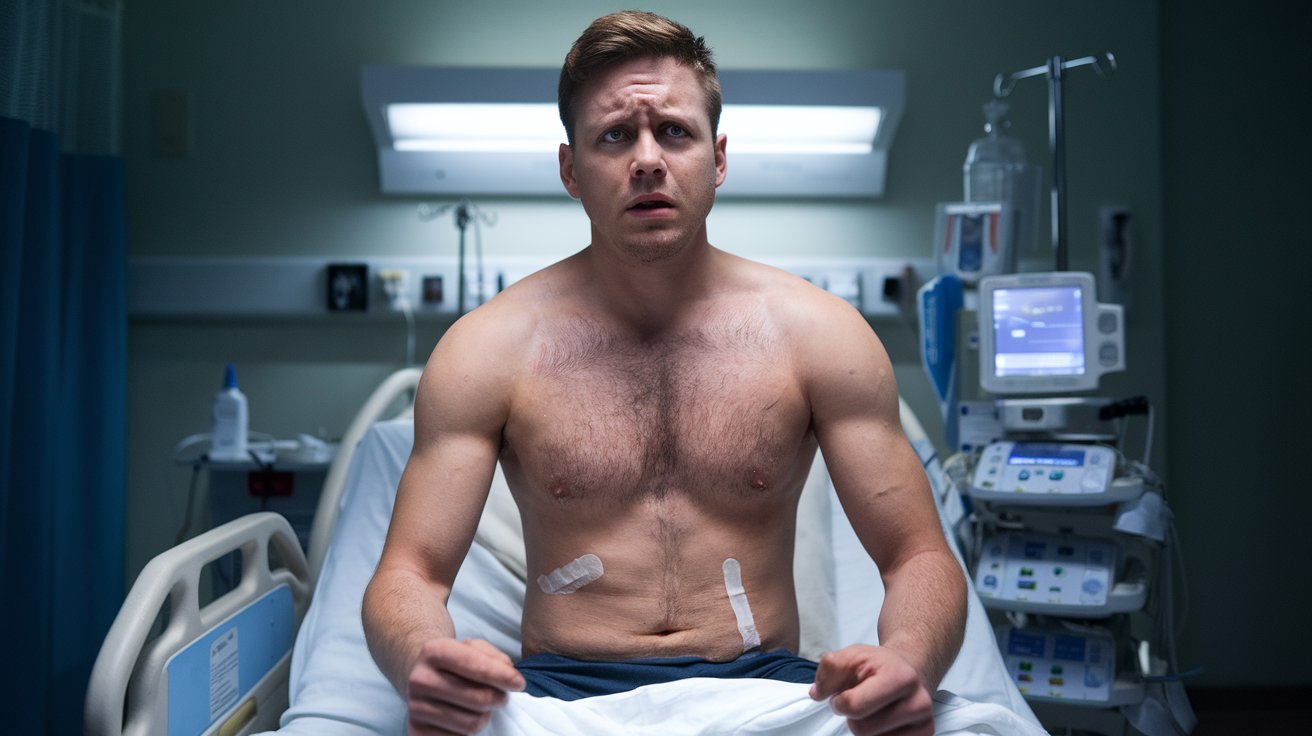
Vasectomy reversal is a surgical procedure that can restore fertility in men who previously underwent vasectomy. While vasectomies are designed as permanent birth control, approximately 3-6% of men in the United States eventually decide they want to reverse the procedure. The good news: vasectomy reversal is possible and often successful, with outcomes depending on factors like time since the original vasectomy, surgical technique, and the surgeon’s expertise. Understanding your options, success rates, and costs helps you make informed decisions about restoring your fertility in 2026.
Understanding Vasectomy Reversal: What It Is and How It Works
A vasectomy reversal is a microsurgical procedure that reconnects the vas deferens, the tubes that carry sperm from the testicles to the urethra. During a vasectomy, these tubes are cut or blocked to prevent sperm from entering the semen. The reversal procedure aims to restore this pathway so sperm can once again be present in ejaculate, enabling natural conception. In 2026, most vasectomy reversals in the United States are performed using advanced microsurgical techniques with magnification up to 25-40 times, allowing surgeons to achieve precise reconnections.
There are two primary types of vasectomy reversal procedures: vasovasostomy and vasoepididymostomy. A vasovasostomy directly reconnects the two severed ends of the vas deferens and is used when clear fluid containing sperm is present during surgery. A vasoepididymostomy is more complex and involves connecting the vas deferens directly to the epididymis when blockages exist. Approximately 70-80% of reversal procedures in 2026 are vasovasostomies, while 20-30% require the more intricate vasoepididymostomy technique. The choice depends on intraoperative findings during the surgical procedure.
Vasectomy Reversal Success Rates: What to Expect
Success rates for vasectomy reversal vary significantly based on the time elapsed since the original vasectomy. According to 2026 data from the American Urological Association, when reversal is performed within three years of vasectomy, success rates for sperm return reach 95-97%, with pregnancy rates of 70-76%. These numbers represent the highest success scenarios for fertility restoration procedures. The surgical technique, surgeon experience, and patient factors all contribute to these outcomes, making proper evaluation essential before proceeding.
As the time since vasectomy increases, success rates gradually decline but remain meaningful for many years. For reversals performed 3-8 years after vasectomy, sperm return rates range from 85-90% with pregnancy rates of 55-70%. When reversal occurs 9-14 years after the original procedure, sperm presence rates drop to 70-80% with pregnancy rates of 40-55%. Even after 15 or more years, vasectomy reversal remains viable with sperm return rates of 60-70% and pregnancy rates of 30-45%. These 2026 statistics demonstrate that while earlier reversal offers better outcomes, the procedure can succeed even decades after the original vasectomy.
Can Vasectomy Be Reversed After 10 Years or More
Many men wonder if vasectomy reversal remains possible after a decade or more has passed since their original procedure. The answer is yes—vasectomy reversal after 10 years is absolutely feasible and is performed successfully across the United States in 2026. While success rates are higher when reversal occurs sooner after vasectomy, the 10-year mark does not represent a cutoff point for fertility restoration. Medical advances in microsurgical techniques have improved outcomes even for men seeking reversal many years after their original vasectomy.
After 10 years, the main consideration is the increased likelihood of needing a vasoepididymostomy rather than a simpler vasovasostomy. The longer timeframe allows for more secondary blockages to develop in the epididymis, which stores and matures sperm. According to 2026 surgical data, approximately 40-50% of men undergoing reversal 10 years or more after vasectomy require the more complex procedure. Despite this added complexity, experienced surgeons achieve sperm return rates of 70-75% with pregnancy rates of 40-50% for reversals performed in the 10-15 year window. Patience is essential, as it may take 6-12 months for sperm to appear in ejaculate after reversal surgery.
Factors That Influence Vasectomy Reversal Success
Several critical factors determine the success of vasectomy reversal beyond just the time elapsed since the original procedure. Surgeon experience ranks among the most significant variables, with specialists who perform 50 or more reversal procedures annually achieving success rates 15-20% higher than less experienced surgeons. In 2026, board-certified urologists specializing in male reproductive microsurgery provide the best outcomes. The presence of anti-sperm antibodies, which develop in 60-80% of men after vasectomy, can affect fertility but rarely prevents successful reversal entirely.
Partner fertility also plays a crucial role in pregnancy success rates after vasectomy reversal. Female age significantly impacts conception chances, with women under 35 having the highest success rates. When the female partner is over 40, pregnancy rates decrease by 30-40% even with successful sperm return. Additional factors include the original vasectomy technique used, presence of epididymal blockages, overall sperm quality before vasectomy, and general health conditions like diabetes or smoking. Men considering reversal should discuss these factors with their surgeon during consultation to set realistic expectations for fertility restoration outcomes in their specific situation.
Vasectomy Reversal Cost in the United States 2026
The cost of vasectomy reversal in the United States ranges from 5,000 dollars to 15,000 dollars in 2026, with most procedures falling between 7,000 and 10,000 dollars. This wide range reflects variations in geographic location, surgeon expertise, facility type, and whether additional procedures are needed. Major metropolitan areas like New York, Los Angeles, and San Francisco typically charge toward the higher end, while smaller cities and rural areas offer more affordable options. The procedure cost usually includes the surgeon’s fee, anesthesia, facility charges, and initial follow-up appointments.
Unfortunately, most health insurance plans do not cover vasectomy reversal costs because the procedure is considered elective. However, some insurance companies may cover portions related to complications or follow-up care. In 2026, many surgical centers offer financing plans with monthly payments ranging from 200 to 400 dollars, making the procedure more accessible. Some patients choose to travel to experienced surgeons in lower-cost areas, potentially saving 2,000 to 4,000 dollars. When evaluating cost, men should prioritize surgeon expertise over price alone, as experienced specialists typically achieve significantly better success rates, ultimately providing better value despite higher upfront costs. Additional expenses may include sperm analysis tests costing 100-300 dollars each in the months following surgery.
The Vasectomy Reversal Procedure: What Happens
The vasectomy reversal procedure typically takes 2-4 hours and is performed as an outpatient surgery, meaning patients go home the same day. Most procedures in 2026 use general anesthesia, though some surgeons offer regional or local anesthesia with sedation. The surgeon makes small incisions in the scrotum to access the vas deferens on each side. Using a high-powered surgical microscope, the surgeon examines fluid from the testicular end of the vas deferens. If this fluid contains sperm, a vasovasostomy is performed by reconnecting the vas deferens ends with microsurgical sutures thinner than human hair.
If no sperm or only sperm parts are found in the fluid, the surgeon performs a vasoepididymostomy, connecting the vas deferens directly to the epididymis where sperm are stored. This more complex procedure requires exceptional surgical precision and typically adds 1-2 hours to operating time. After reconnection, the surgeon closes the incisions with dissolvable sutures. Modern techniques in 2026 emphasize minimizing tissue trauma to reduce post-operative complications. The procedure has a very low complication rate of less than 2%, with potential risks including infection, bleeding, chronic pain, or failure to restore sperm flow. Most men experience mild to moderate discomfort for 3-7 days after surgery, managed effectively with prescribed pain medications.
Recovery After Vasectomy Reversal Surgery
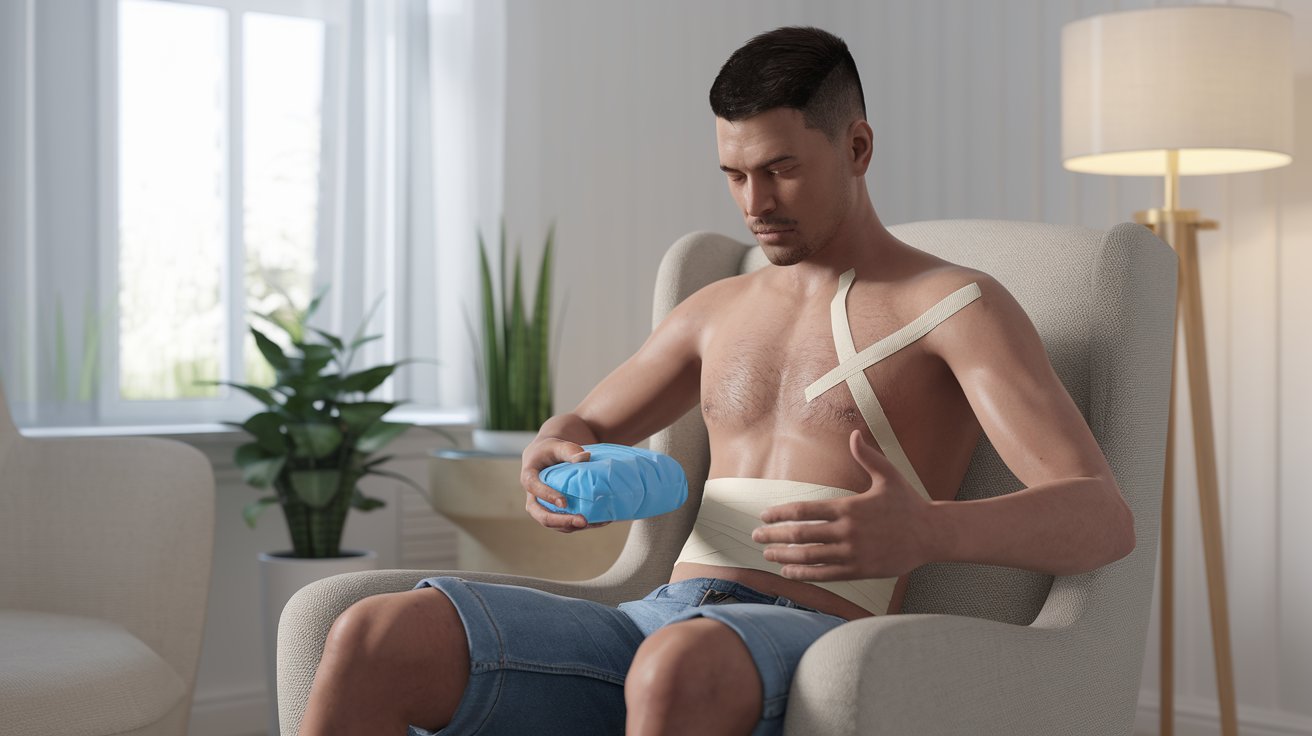
Recovery from vasectomy reversal typically takes 2-3 weeks for basic healing, though complete recovery and sperm return require several months. During the first 48 hours after surgery, patients should rest with minimal activity, apply ice packs to reduce swelling, and wear supportive underwear to minimize discomfort. Most men return to desk jobs within 3-5 days, while those with physically demanding occupations should wait 2-3 weeks before resuming normal work duties. Pain management during recovery usually involves prescription pain medications for the first few days, transitioning to over-the-counter options like ibuprofen by day four or five.
Sexual activity and ejaculation should be avoided for 2-3 weeks after surgery to allow proper healing of the reconnected vas deferens. Heavy lifting over 15 pounds should be avoided for 3-4 weeks, and strenuous exercise including running or weightlifting should wait until the 4-6 week mark. Complications during recovery are rare but may include excessive swelling, bleeding, infection, or signs of hematoma formation. Follow-up appointments typically occur at 2 weeks, 6 weeks, and 3 months post-surgery. Sperm analysis testing begins around 6-8 weeks after the procedure, with many men showing sperm presence by 2-4 months. However, it can take 12-15 months for sperm counts to reach optimal levels for natural conception in some cases.
Are Vasectomies 100% Reversible
Vasectomies are not 100% reversible, and this remains an important consideration for men contemplating the original vasectomy procedure in 2026. While vasectomy reversal surgery can successfully restore sperm flow in 60-97% of cases depending on various factors, this does not guarantee pregnancy. The distinction between patency (sperm presence in ejaculate) and pregnancy rates is crucial—even when the reversal successfully reconnects the vas deferens and sperm appear in semen, conception depends on multiple additional factors including sperm quality, female partner fertility, and overall reproductive health.
The concept of complete reversibility is misleading because several biological changes occur after vasectomy that reversal cannot always overcome. Anti-sperm antibodies develop in most men after vasectomy, potentially affecting sperm function even after successful surgical reversal. Some men experience permanent damage to sperm production capabilities over time. Additionally, the quality and motility of sperm may be reduced compared to pre-vasectomy levels. In 2026, medical professionals emphasize that men should consider vasectomy as permanent when making the initial decision, despite the existence of reversal procedures. The American Urological Association recommends men only undergo vasectomy when they are certain they do not want future biological children, regardless of relationship changes or life circumstances that might occur later.
How Many Times Can a Vasectomy Be Reversed
Technically, vasectomy reversal can be repeated if the first attempt fails or if a man undergoes another vasectomy after a successful reversal and later wants fertility restored again. However, each subsequent reversal procedure becomes more challenging and has lower success rates. The primary limitation is the finite length of the vas deferens—each surgery removes a small segment of the tube during reconnection. Most men have sufficient vas deferens length for 2-3 reversal procedures, though success rates decline significantly with each attempt. In 2026, approximately 2-3% of vasectomy reversals represent second or third reversal procedures.
Success rates for second vasectomy reversals drop to 60-75% for sperm return and 30-45% for pregnancy, compared to higher rates for first-time reversals. The decreased success stems from additional scarring, shortened vas deferens length limiting surgical options, and cumulative effects on the reproductive system. Third reversals are rarely performed and have success rates below 50% for sperm return. Some men who experience failed reversal or require multiple procedures may opt for sperm retrieval techniques combined with in vitro fertilization instead of repeat reversal surgery. These alternatives include testicular sperm extraction (TESE) or microsurgical epididymal sperm aspiration (MESA), which directly retrieve sperm from the testicles or epididymis for use in assisted reproductive procedures.
Alternatives to Vasectomy Reversal
Men seeking to father children after vasectomy have alternatives to surgical reversal that may be appropriate in certain circumstances. Sperm retrieval combined with in vitro fertilization (IVF) or intracytoplasmic sperm injection (ICSI) represents the primary alternative approach. These procedures involve extracting sperm directly from the testicles or epididymis through methods like testicular sperm extraction (TESE), percutaneous epididymal sperm aspiration (PESA), or microsurgical epididymal sperm aspiration (MESA). Retrieved sperm are then used to fertilize eggs in a laboratory setting. In 2026, sperm retrieval with IVF/ICSI costs between 15,000 and 25,000 dollars per cycle in the United States.
The choice between vasectomy reversal and sperm retrieval depends on multiple factors including cost, time frame, female partner age and fertility, and desired number of children. Reversal offers advantages for couples wanting multiple children through natural conception, while sperm retrieval may be preferable when female infertility factors exist or when the woman is over 37 years old. Reversal is typically more cost-effective if more than one pregnancy is desired, as it enables unlimited conception attempts. However, sperm retrieval with IVF provides faster timelines to pregnancy and allows for genetic screening of embryos if desired. Success rates for IVF with retrieved sperm from vasectomized men reach 50-60% per cycle in 2026, similar to overall IVF success rates. Some couples pursue both approaches, attempting natural conception after reversal while banking retrieved sperm as insurance.
Can a Vasectomy Wear Off After 10 Years
Vasectomies do not wear off naturally after 10 years or any length of time—this is a common misconception. Once the vas deferens is cut, tied, or cauterized during a vasectomy, the physical barrier preventing sperm from entering semen remains permanent unless surgically reversed. The tubes do not spontaneously reconnect or heal themselves over time. In extremely rare cases representing less than 0.1% of vasectomies, a condition called recanalization can occur, usually within the first few months after the procedure. Recanalization happens when a small channel forms through scar tissue, potentially allowing sperm passage. This represents a vasectomy failure rather than the procedure wearing off.
After 10 years, the chance of spontaneous reversal is essentially zero. Some men report noticing changes in ejaculate appearance or volume years after vasectomy and mistakenly interpret this as the procedure wearing off. However, these changes typically relate to aging, hydration, frequency of ejaculation, or other health factors rather than vasectomy status. Sperm production continues in the testicles after vasectomy, but the sperm are absorbed by the body rather than being ejaculated. The vasectomy remains effective as permanent birth control regardless of how many years have passed. In 2026, long-term studies consistently show vasectomy effectiveness rates above 99.85% for the lifetime of the patient, making it one of the most reliable forms of contraception available. Men who desire fertility after any time period following vasectomy require surgical reversal or sperm retrieval procedures.
Choosing the Right Surgeon for Vasectomy Reversal
Selecting an experienced surgeon is the most critical factor in vasectomy reversal success. In 2026, men should seek board-certified urologists who specialize specifically in male reproductive surgery and perform at least 50-100 vasectomy reversals annually. Surgical volume directly correlates with outcomes—surgeons performing high volumes of reversals achieve pregnancy rates 20-30% higher than low-volume practitioners. During consultation, ask potential surgeons about their specific success rates for both sperm return and pregnancy, broken down by years since original vasectomy. Reputable surgeons provide transparent data about their outcomes rather than general statistics.
Important questions to ask during consultation include the surgeon’s training background, whether they perform both vasovasostomy and vasoepididymostomy procedures, what type of magnification they use during surgery, and how they handle unexpected findings during the operation. Inquire about the facility where surgery will be performed, anesthesia options, and the complete cost breakdown including follow-up care. Request to see before-and-after surgical photos if available, and ask for patient references or testimonials. The surgeon should conduct a thorough physical examination and discuss your medical history, time since vasectomy, and partner fertility factors. Red flags include surgeons who guarantee specific outcomes, pressure immediate decisions, or offer prices significantly below market rates. In 2026, many top vasectomy reversal surgeons have fellowship training specifically in microsurgery or male infertility, representing the highest level of specialized expertise available.
Related video about can vasectomy be reversed
This video complements the article information with a practical visual demonstration.
Questions & Answers
Are vasectomies 100% reversible?
No, vasectomies are not 100% reversible. While surgical reversal can successfully restore sperm flow in 60-97% of cases depending on time elapsed and other factors, this does not guarantee pregnancy. Success rates vary based on years since vasectomy, surgeon expertise, and partner fertility. In 2026, medical professionals recommend men consider vasectomy as permanent when making the initial decision, despite reversal options existing. The procedure reconnects the vas deferens, but biological changes like anti-sperm antibody development and potential sperm quality reduction may affect fertility even after successful surgical reversal.
Can a man still have a baby after a vasectomy?
Yes, a man can still have a baby after vasectomy through two main approaches: surgical vasectomy reversal or sperm retrieval combined with IVF. Vasectomy reversal reconnects the vas deferens and allows natural conception, with success rates of 30-76% for pregnancy depending on years since vasectomy. Alternatively, sperm retrieval procedures like TESE or MESA extract sperm directly from the testicles for use in IVF or ICSI, with success rates around 50-60% per cycle in 2026. The best option depends on time since vasectomy, partner age and fertility, desired number of children, and budget considerations.
How successful is a vasectomy reversal?
Vasectomy reversal success rates in 2026 depend primarily on time since the original procedure. When performed within 3 years of vasectomy, sperm return rates reach 95-97% with pregnancy rates of 70-76%. For reversals at 3-8 years, success drops to 85-90% for sperm return and 55-70% for pregnancy. At 9-14 years, rates are 70-80% for sperm presence and 40-55% for pregnancy. Even after 15 years, reversal achieves 60-70% sperm return and 30-45% pregnancy rates. Surgeon expertise significantly impacts outcomes, with specialists performing 50+ annual reversals achieving 15-20% higher success rates than less experienced practitioners.
Can a vasectomy wear off after 10 years?
No, vasectomies do not wear off after 10 years or any length of time. The physical barrier created during vasectomy remains permanent unless surgically reversed. The vas deferens does not spontaneously reconnect or heal over time. Extremely rare recanalization (occurring in less than 0.1% of cases) happens within the first few months after vasectomy, not after years. In 2026, long-term studies show vasectomy effectiveness rates above 99.85% for life, making it one of the most reliable permanent contraception methods. Men who desire fertility after any time period following vasectomy require surgical reversal or sperm retrieval procedures.
What is the cost of vasectomy reversal in 2026?
Vasectomy reversal costs range from 5,000 to 15,000 dollars in the United States in 2026, with most procedures costing 7,000-10,000 dollars. Cost variations reflect geographic location, surgeon expertise, facility type, and procedure complexity. Metropolitan areas charge toward the higher end, while smaller cities offer more affordable options. Most insurance plans do not cover reversal since it is considered elective, but many surgical centers offer financing plans with monthly payments of 200-400 dollars. When evaluating cost, prioritize surgeon expertise over price, as experienced specialists achieve significantly better success rates, providing better long-term value despite higher upfront costs.
How long does it take for sperm to return after vasectomy reversal?
Sperm typically begins appearing in ejaculate 6-8 weeks after vasectomy reversal surgery, though timing varies significantly among individuals. Many men show sperm presence by 2-4 months post-surgery, but it can take 12-15 months for sperm counts to reach optimal levels for natural conception in some cases. Urologists recommend beginning semen analysis testing around 6-8 weeks after the procedure, with follow-up tests every 4-6 weeks until sperm counts stabilize. Factors affecting sperm return timing include the type of reversal performed (vasovasostomy versus vasoepididymostomy), years since original vasectomy, and individual healing rates. Patience is essential during the recovery period.
| Time Since Vasectomy | Sperm Return Rate | Pregnancy Success Rate |
|---|---|---|
| Within 3 years | 95-97% | 70-76% |
| 3-8 years | 85-90% | 55-70% |
| 9-14 years | 70-80% | 40-55% |
| 15+ years | 60-70% | 30-45% |
| Average Cost | 7,000-10,000 dollars | Not typically covered by insurance |