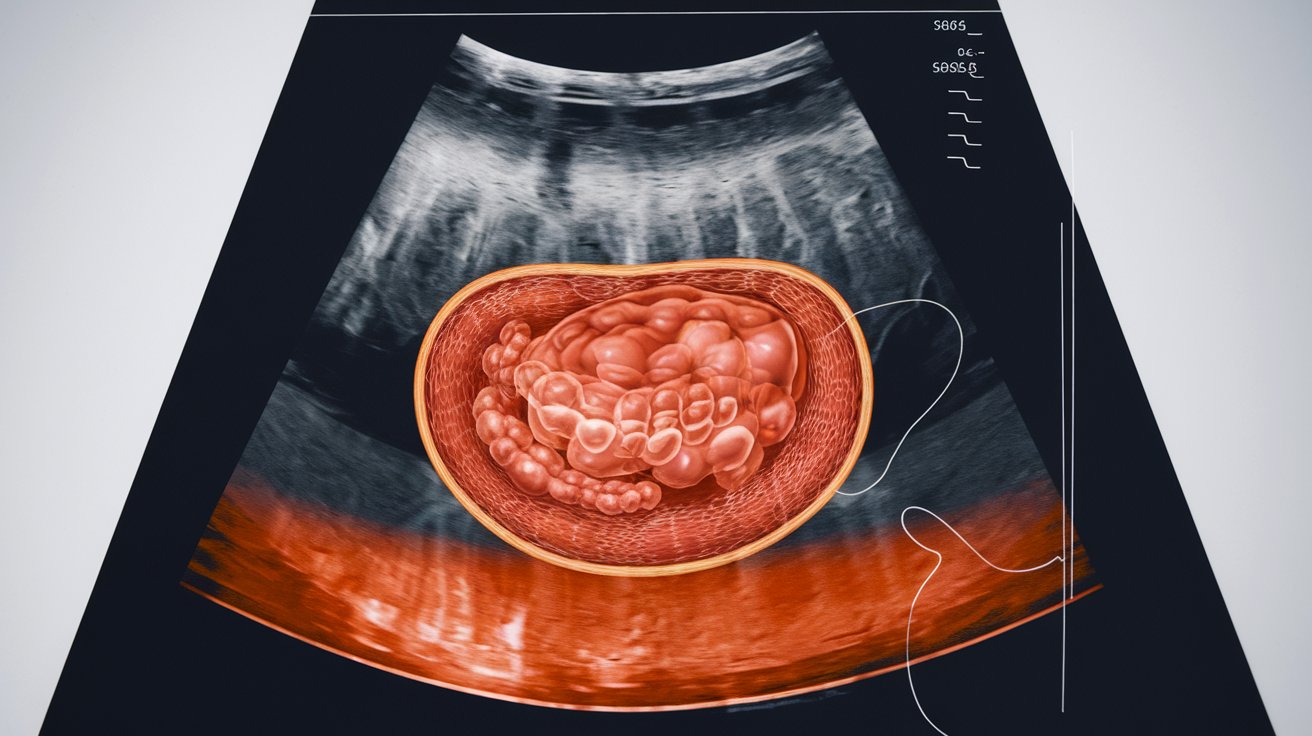
Yes, most men can have children after testicular cancer treatment. While chemotherapy, radiation, and surgery may temporarily or permanently affect fertility, approximately 70-80% of testicular cancer survivors maintain natural conception ability. For those with reduced fertility, options like sperm banking before treatment, assisted reproductive technologies, and fertility restoration procedures offer pathways to fatherhood. Understanding your reproductive health before, during, and after treatment empowers you to make informed decisions about building your family.
Understanding Your Reproductive System After Testicular Cancer
The male reproductive system relies on both testicles working together to produce sperm and testosterone, though one functioning testicle can typically maintain both fertility and hormone levels. Testicular cancer diagnosed in 2026 affects approximately 9,760 American men annually, with the highest incidence among men aged 20-34. The remaining healthy testicle usually compensates for the removed one, producing sufficient sperm for natural conception in most cases.
Your fertility depends on multiple factors beyond testicular removal. Sperm production takes approximately 74 days to complete the entire maturation cycle, meaning treatment effects on fertility may not be immediately apparent. The type of testicular cancer, tumor markers like AFP and beta-HCG, and the extent of lymph node involvement all influence treatment decisions that subsequently impact reproductive potential. Men diagnosed with testicular cancer often have pre-existing fertility issues, with studies showing 10-25% have below-normal sperm counts even before treatment begins.
How Different Treatments Affect Fertility
Treatment approaches for testicular cancer have varying impacts on fertility, with surgical removal of one testicle (orchiectomy) typically preserving natural conception ability. The remaining testicle usually maintains adequate sperm production and testosterone levels without additional intervention. However, bilateral orchiectomy, required in rare cases of bilateral tumors, eliminates natural sperm production entirely, making pre-treatment sperm banking essential.
Chemotherapy Impact on Sperm Production
Chemotherapy regimens like BEP (bleomycin, etoposide, cisplatin) temporarily reduce sperm production in most men, with recovery timelines varying by dosage and treatment duration. Standard three-cycle BEP chemotherapy causes temporary infertility lasting 1-3 years in approximately 50% of patients, while four or more cycles increase permanent infertility risk to 30-40%. The good news: sperm production gradually recovers in 60-80% of men within 2-5 years after chemotherapy completion. Carboplatin-based regimens, used for early-stage seminomas, generally cause less fertility damage than cisplatin-based protocols.
The cumulative chemotherapy dose directly correlates with fertility recovery rates in 2026 follow-up studies. Men receiving lower cumulative doses show sperm count normalization within 12-24 months, while higher doses may require 3-5 years. Current recommendations suggest waiting at least 12-24 months after chemotherapy before attempting conception, allowing damaged DNA in sperm cells to be replaced by healthy cells and minimizing potential risks to offspring.
Radiation Therapy Effects on Fertility
Radiation therapy for testicular cancer rarely requires direct testicular irradiation, but scattered radiation to the remaining testicle can occur during treatment of retroperitoneal lymph nodes. Modern radiation techniques in 2026 use intensity-modulated radiation therapy (IMRT) and protective shielding, limiting scattered dose to the remaining testicle to below 1-2 Gray, which minimizes permanent damage. Direct testicular radiation doses above 6 Gray cause permanent sterility in virtually all cases, but such doses are extremely uncommon in testicular cancer treatment protocols.
Men receiving retroperitoneal radiation therapy experience temporary sperm count reduction in approximately 50% of cases, with recovery typically occurring within 18-36 months. The scattered radiation dose, distance from the treatment field, and shielding effectiveness determine fertility preservation success. Current American radiation oncology standards mandate testicular shielding and dose monitoring to optimize fertility preservation whenever medically appropriate.
Surgical Procedures and Retrograde Ejaculation
Retroperitoneal lymph node dissection (RPLND), performed to remove lymph nodes behind the abdomen, carries risk of retrograde ejaculation affecting 5-25% of patients depending on surgical technique used. Traditional RPLND surgery damages sympathetic nerves controlling the bladder neck during ejaculation, causing semen to flow backward into the bladder rather than out through the penis. Nerve-sparing RPLND techniques refined through 2026 preserve ejaculatory function in 95-98% of cases when performed by experienced surgeons at high-volume centers.
Men experiencing retrograde ejaculation after RPLND can still father children through sperm retrieval from post-ejaculation urine samples or direct testicular sperm extraction. Medications like pseudoephedrine or imipramine successfully restore antegrade ejaculation in 30-40% of affected men by tightening the bladder neck. For those with persistent retrograde ejaculation, assisted reproductive technologies using retrieved sperm achieve pregnancy rates comparable to standard IVF/ICSI procedures.
Sperm Banking Before Treatment: Critical Window
Sperm banking before any testicular cancer treatment provides the highest quality fertility preservation option, with samples collected before chemotherapy, radiation, or additional surgeries begin. The ideal timeframe is between diagnosis and treatment initiation, typically within 1-2 weeks of orchiectomy but before adjuvant therapy. Sperm quality may already be compromised by the cancer itself, with 50% of newly diagnosed men showing abnormal semen parameters, but banking preserves whatever reproductive potential exists at diagnosis.
The sperm banking process requires 2-3 semen samples collected 24-48 hours apart to maximize total sperm quantity and quality stored. Cryopreservation technology in 2026 achieves post-thaw survival rates of 50-70%, with properly stored samples remaining viable for decades. Cost considerations in the United States range from $500-$1,500 for initial collection and freezing, plus $200-$500 annual storage fees, though many insurance plans now cover cancer-related fertility preservation following the 2020 expansion of coverage mandates.
Men should complete sperm banking even if immediate family planning isn’t considered, as future fertility cannot be predicted with certainty and stored sperm provides permanent insurance against treatment-related infertility. Success rates for pregnancies using frozen sperm through intrauterine insemination (IUI) range from 10-20% per cycle, while in vitro fertilization (IVF) with intracytoplasmic sperm injection (ICSI) achieves 40-60% pregnancy rates per cycle, depending on female partner age and reproductive health.
Timeline for Attempting Conception After Treatment
The recommended waiting period before attempting conception after testicular cancer treatment is typically 12-24 months following chemotherapy completion, allowing complete sperm cell regeneration and DNA repair. This timeline ensures that sperm exposed to chemotherapy agents have been completely replaced by newly formed, unexposed sperm cells. Men who received only surgery without chemotherapy or radiation can generally attempt conception once fully recovered from the procedure, usually 4-8 weeks post-operation.
Current 2026 oncology guidelines from American Society of Clinical Oncology recommend at least one year after chemotherapy before conception attempts, with two years preferred for men who received high-dose or prolonged treatment protocols. This conservative approach minimizes theoretical risks of chemotherapy-induced DNA damage in sperm affecting embryo development, though large-scale studies show no increased birth defect rates in children conceived 6-12 months post-treatment. The waiting period also allows adequate time for cancer surveillance, ensuring no recurrence that might require additional treatment during a pregnancy.
Assessing Fertility After Cancer Treatment
Semen analysis is the primary method for evaluating fertility recovery after testicular cancer treatment, measuring sperm concentration, motility, morphology, and total motile sperm count. Men should undergo baseline semen analysis 12 months after treatment completion, with follow-up testing every 6 months if initial results show reduced parameters. Normal semen parameters according to 2026 WHO criteria include sperm concentration above 16 million/mL, total motility above 42%, and progressive motility above 30%, though pregnancy can occur with lower values.
Hormone testing measuring follicle-stimulating hormone (FSH), luteinizing hormone (LH), and testosterone provides additional fertility assessment information, with elevated FSH often indicating impaired sperm production. Testosterone levels should remain within normal range (300-1,000 ng/dL) with one functioning testicle, though some men require testosterone replacement therapy. Advanced fertility testing including DNA fragmentation analysis, which measures sperm genetic integrity, helps predict IVF success rates and identify men who might benefit from antioxidant supplementation or testicular sperm extraction rather than ejaculated sperm.
Birth Defect Risks and Child Health Outcomes
Extensive research through 2026 shows no significant increase in birth defects or genetic abnormalities among children fathered by testicular cancer survivors, even those who received chemotherapy. Multiple large-scale studies tracking thousands of offspring found birth defect rates of 2-3%, identical to the general population baseline. The theoretical concern about chemotherapy damaging sperm DNA has not materialized into measurable health problems in children, likely because severely damaged sperm cannot successfully fertilize eggs.
Men with hereditary cancer syndromes require genetic counseling before family planning, as 5-10% of testicular cancers have familial components. Conditions like familial testicular germ cell tumor susceptibility can be inherited, increasing sons’ testicular cancer risk 4-8 fold compared to general population. Genetic testing and counseling help families understand inheritance patterns, screening recommendations for offspring, and options like preimplantation genetic testing (PGT) during IVF to select embryos without identified genetic mutations.
Children born to testicular cancer survivors show normal developmental milestones and health outcomes in longitudinal studies extending 20+ years. Cancer treatment does not affect the sex ratio of offspring, overall health, cognitive development, or fertility of the next generation. These reassuring findings allow survivors to pursue fatherhood with confidence, though maintaining recommended waiting periods after treatment remains important for optimizing outcomes.
Options When Natural Conception Proves Difficult
Men experiencing difficulty conceiving naturally after testicular cancer treatment have multiple assisted reproductive technology options depending on sperm parameters and female partner fertility. Intrauterine insemination (IUI) works well for men with moderately reduced sperm counts (5-15 million/mL) and good motility, achieving pregnancy rates of 10-15% per cycle. This relatively simple and affordable option ($500-$1,500 per cycle in 2026) involves concentrating and washing sperm before placing directly into the uterus during ovulation.
In Vitro Fertilization with ICSI
In vitro fertilization (IVF) with intracytoplasmic sperm injection (ICSI) represents the most effective option for men with severe oligospermia (low sperm count) or poor motility, requiring only a single viable sperm per egg. ICSI technology allows embryologists to directly inject one sperm into each retrieved egg, bypassing natural fertilization barriers. Success rates reach 50-65% pregnancy per cycle for women under 35, declining to 30-40% for women 38-42, with male factor infertility showing comparable outcomes to other IVF indications.
The IVF/ICSI process costs $15,000-$25,000 per cycle in the United States during 2026, with many couples requiring multiple cycles to achieve pregnancy. Some insurance plans cover IVF for cancer-related infertility, while 22 states now mandate some level of infertility coverage. Advances in embryo freezing allow storage of additional embryos from successful cycles for future children without repeating ovarian stimulation and egg retrieval.
Testicular Sperm Extraction Procedures
Men with azoospermia (zero sperm in ejaculate) may still have sperm production within the testicles that can be surgically retrieved through testicular sperm extraction (TESE) or microsurgical TESE (micro-TESE). These procedures, performed under anesthesia, involve removing small tissue samples from the testicle and examining them for viable sperm. Success rates for finding sperm reach 50-70% with micro-TESE in men with non-obstructive azoospermia, higher than conventional TESE techniques.
Retrieved testicular sperm combined with ICSI achieves pregnancy rates of 40-50% per cycle, comparable to standard IVF/ICSI outcomes. The advantage of testicular extraction is that sperm retrieved directly from testicular tissue often have less DNA fragmentation than ejaculated sperm in some men, potentially improving embryo quality. Multiple sperm extraction procedures can be performed if initial attempts fail, though success rates decrease with subsequent procedures.
Solutions for Retrograde Ejaculation
Retrograde ejaculation diagnosis requires post-ejaculation urinalysis showing sperm in urine, confirming that semen flows backward into the bladder rather than out through the urethra. This condition affects approximately 10-15% of men after traditional RPLND surgery, though nerve-sparing techniques have dramatically reduced incidence. Men notice decreased ejaculate volume or complete absence of ejaculation despite normal orgasm sensation, sometimes with cloudy urine after sexual activity.
Medical management with pseudoephedrine (60-120mg) or imipramine (25-50mg) taken 1-2 hours before intercourse successfully restores antegrade ejaculation in 30-40% of men by tightening the bladder neck sphincter. These medications work by stimulating alpha-adrenergic receptors that keep the bladder neck closed during ejaculation. For men attempting conception, timing medication use with female partner’s fertile window optimizes natural conception chances.
When medications fail, sperm retrieval from post-ejaculation urine provides viable sperm for assisted reproduction. The process involves alkalinizing urine before ejaculation by taking sodium bicarbonate, as acidic urine damages sperm. After ejaculation and urination, the urine is centrifuged to concentrate sperm, which are then washed and prepared for IUI or IVF/ICSI. Success rates match those achieved with normal ejaculated sperm, making retrograde ejaculation a manageable fertility challenge rather than an insurmountable barrier.
Managing Erectile Dysfunction After Treatment
Erectile dysfunction (ED) affects 5-15% of testicular cancer survivors, primarily due to psychological factors, nerve damage from extensive surgery, or hormonal imbalances from bilateral orchiectomy. RPLND surgery rarely causes ED directly, as erection-controlling nerves run separately from ejaculation-controlling sympathetic nerves. However, anxiety, depression, body image concerns, and relationship stress following cancer diagnosis and treatment contribute significantly to erectile difficulties.
Treatment for ED begins with phosphodiesterase-5 inhibitors like sildenafil (Viagra), tadalafil (Cialis), or vardenafil (Levitra), which work effectively in 70-80% of men regardless of ED cause. These medications enhance natural erectile response to sexual stimulation by increasing blood flow to penile tissue. Daily low-dose tadalafil (2.5-5mg) often works better than on-demand dosing for men with psychological ED by reducing performance anxiety.
Men with testosterone deficiency after bilateral orchiectomy require testosterone replacement therapy, available as injections, gels, patches, or pellets. Proper testosterone replacement typically resolves ED when low testosterone is the primary cause, though it makes men permanently infertile by suppressing remaining sperm production. For men hoping to preserve fertility, addressing ED through PDE5 inhibitors, vacuum erection devices, or penile injections while maintaining low testosterone levels may be necessary until family building is complete.
When Pre-Treatment Sperm Banking Wasn’t Done
Men who did not bank sperm before treatment and subsequently developed infertility still have options for biological fatherhood, though they may be more complex and expensive than using frozen pre-treatment sperm. The first step involves comprehensive fertility evaluation 12-24 months after treatment, including multiple semen analyses to determine if any sperm production has recovered. Even very low sperm counts (1-5 million/mL) provide sufficient sperm for IVF/ICSI procedures.
For men with complete azoospermia in semen analysis, testicular sperm extraction procedures offer 40-60% chance of finding viable sperm within testicular tissue depending on treatment received. Men who underwent only orchiectomy without chemotherapy or radiation have highest success rates (60-70%), while those receiving high-dose chemotherapy show lower but still meaningful success rates (30-50%). Micro-TESE performed by experienced surgeons achieves better outcomes than conventional TESE techniques.
Donor sperm represents a reliable alternative when biological fatherhood using own sperm proves impossible, with extensive screening ensuring health and genetic quality. The United States has well-established sperm donation programs with donors selected for health, genetic testing, and detailed personal/family medical histories. Costs for donor sperm range from $500-$1,000 per vial, with most pregnancies requiring 2-6 vials across multiple IUI attempts or 1-2 vials for IVF procedures. Many couples also consider adoption, embryo adoption, or choosing child-free life as fulfilling alternatives.
Testosterone Replacement and Fertility Considerations
Testosterone replacement therapy (TRT) suppresses sperm production in nearly all men by providing external testosterone that signals the brain to stop stimulating the testicles. Men with one remaining testicle typically maintain adequate testosterone levels (300-1,000 ng/dL) without replacement therapy. However, approximately 10-15% of men with one testicle develop borderline or low testosterone requiring supplementation for symptom relief.
Men considering future fatherhood should avoid testosterone replacement until family building is complete, or use alternative treatments for low testosterone symptoms. Options include human chorionic gonadotropin (hCG) injections 2-3 times weekly, which stimulate the remaining testicle to produce both testosterone and sperm. Clomiphene citrate (25-50mg daily) or enclomiphene represent oral alternatives that increase natural testosterone production while maintaining fertility, achieving testosterone normalization in 60-70% of men with secondary hypogonadism.
Once family building is complete, testosterone replacement provides effective symptom management for men with persistent low testosterone. Modern formulations include daily transdermal gels, weekly or biweekly injections, or 3-4 month testosterone pellets implanted under the skin. Regular monitoring of testosterone levels, complete blood count, and prostate health ensures safe long-term use without increasing cancer recurrence risk.
Long-Term Fertility Outcomes and Success Rates
Long-term fertility outcomes for testicular cancer survivors are encouraging, with 70-80% ultimately achieving biological fatherhood through natural conception or assisted reproductive technologies. Men treated with orchiectomy alone maintain near-normal fertility rates (85-95%), while those receiving chemotherapy show time-dependent recovery with 60-75% achieving adequate sperm parameters for conception within 5 years post-treatment. These statistics from 2026 multi-center databases represent significant improvements over historical outcomes due to better fertility preservation awareness and advanced reproductive technologies.
Factors predicting successful fertility recovery include younger age at treatment (under 35), normal pre-treatment sperm parameters, limited chemotherapy exposure (3 or fewer cycles), and absence of baseline testicular dysfunction. Men with bilateral cryptorchidism history, genetic conditions affecting spermatogenesis, or pre-existing subfertility face additional challenges but can still achieve fatherhood with appropriate interventions. Success rates continue improving as reproductive medicine advances, with experimental treatments like testicular stem cell preservation showing promise for future fertility restoration.
Related video about can you have kids after testicular cancer
This video complements the article information with a practical visual demonstration.
What you should know
How long should I wait after testicular cancer treatment before trying to have a child?
Wait at least 12-24 months after chemotherapy completion before attempting conception, allowing complete sperm regeneration and DNA repair. Men who received only surgery without chemotherapy can typically try after 4-8 weeks recovery. The recommended waiting period ensures that sperm exposed to chemotherapy have been completely replaced by healthy cells, minimizing theoretical risks to offspring. Two years is preferred for men who received high-dose or prolonged chemotherapy protocols, balancing cancer surveillance needs with family planning goals.
Can testicular cancer treatment cause birth defects in my children?
No, extensive research through 2026 shows no increased birth defect rates in children fathered by testicular cancer survivors, including those who received chemotherapy. Large studies tracking thousands of offspring found birth defect rates of 2-3%, identical to general population rates. While theoretical concerns exist about chemotherapy damaging sperm DNA, severely damaged sperm cannot successfully fertilize eggs, providing natural protection. Maintaining recommended waiting periods after treatment (12-24 months) further minimizes any potential risks.
What are my fertility options if I didn’t freeze sperm before treatment?
Men who didn’t bank sperm pre-treatment can undergo semen analysis 12-24 months post-treatment to assess natural recovery, with many achieving adequate counts for IVF/ICSI. For men with zero sperm in ejaculate, testicular sperm extraction (TESE) finds viable sperm in 40-60% of cases depending on treatment received. These surgically retrieved sperm work excellently with ICSI, achieving pregnancy rates of 40-50% per cycle. If biological fatherhood proves impossible, donor sperm provides a reliable alternative with extensive health screening.
Will having only one testicle affect my testosterone levels?
Most men (85-90%) with one healthy testicle maintain normal testosterone levels (300-1,000 ng/dL) without replacement therapy, as the remaining testicle compensates by increasing production. However, 10-15% develop borderline or low testosterone requiring supplementation. Regular testosterone monitoring (every 6-12 months) ensures early detection of deficiency. If testosterone replacement becomes necessary and you still want children, alternatives like hCG injections or clomiphene citrate can raise testosterone while preserving fertility, unlike standard testosterone replacement which stops sperm production.
How likely is it that testicular cancer will affect my ability to have children naturally?
Approximately 70-80% of testicular cancer survivors can father children naturally or with minimal assistance. Men treated with surgery alone maintain 85-95% normal fertility rates. Those receiving chemotherapy show time-dependent recovery, with 60-75% achieving adequate sperm parameters within 5 years post-treatment. Even men with reduced sperm counts often conceive naturally given sufficient time, while assisted reproductive technologies like IVF/ICSI provide highly effective alternatives for those with persistent infertility. Pre-treatment sperm banking and nerve-sparing surgical techniques have dramatically improved overall fatherhood success rates.
What is retrograde ejaculation and can I still have children if I have it?
Retrograde ejaculation occurs when semen flows backward into the bladder instead of out through the penis, affecting 10-15% of men after traditional RPLND surgery (reduced to 2-5% with nerve-sparing techniques). Yes, you can still have children through several methods: medications like pseudoephedrine restore normal ejaculation in 30-40% of cases, or sperm can be retrieved from post-ejaculation urine for IUI or IVF procedures. Sperm retrieved this way works as effectively as normally ejaculated sperm, making retrograde ejaculation a manageable fertility challenge rather than an absolute barrier to fatherhood.
| Fertility Aspect | Key Details | Success Rates/Outcomes |
|---|---|---|
| Surgery Only (Orchiectomy) | One testicle removal typically preserves fertility; remaining testicle compensates | 85-95% maintain normal fertility |
| Chemotherapy Impact | Temporary reduction; recovery within 1-5 years depending on dosage | 60-80% recover adequate sperm production |
| Pre-Treatment Sperm Banking | Optimal preservation option; collect before any treatment begins | 40-60% pregnancy rate per IVF/ICSI cycle |
| Testicular Sperm Extraction | Surgical retrieval for men with zero sperm in ejaculate | 50-70% sperm retrieval success with micro-TESE |
| Waiting Period Post-Treatment | 12-24 months after chemotherapy; 4-8 weeks after surgery only | Ensures healthy sperm replacement and cancer monitoring |
| Birth Defect Risk | No increased risk in children of testicular cancer survivors | 2-3% rate (same as general population) |
| Overall Fatherhood Success | Natural conception or assisted reproductive technologies | 70-80% achieve biological fatherhood |