Understanding prostate biopsy recovery time is essential for men facing this diagnostic procedure in 2026. Most patients experience a recovery period of 3 to 5 days with mild symptoms, though complete healing takes approximately 2 to 3 weeks. This comprehensive guide covers what to expect during recovery, side effects, activity restrictions, and evidence-based strategies to optimize healing after your prostate biopsy in the United States.
How Long Does It Take to Recover from a Prostate Biopsy?
The typical prostate biopsy recovery time ranges from 3 to 5 days for initial symptom resolution, with most men returning to normal activities within one week. According to 2026 urological data from the American Urological Association, approximately 85% of patients report feeling back to baseline within 7 days after the procedure. However, complete tissue healing and resolution of all minor symptoms typically requires 2 to 3 weeks, particularly for blood traces in urine or semen that can persist longer.
Recovery duration varies based on several factors including the biopsy technique used, number of tissue samples taken, individual healing capacity, and adherence to post-procedure care instructions. Transrectal biopsies, which remain the most common approach in the United States with over 1.2 million procedures performed annually, generally involve a slightly longer recovery compared to transperineal approaches. Men over 65 years old or those with underlying health conditions such as diabetes may experience extended recovery periods of up to 10 days for initial symptoms. The 2026 clinical guidelines emphasize that while most discomfort resolves quickly, patients should plan for at least 2 to 3 days of reduced activity following the procedure.
What Happens During a Prostate Biopsy Procedure?
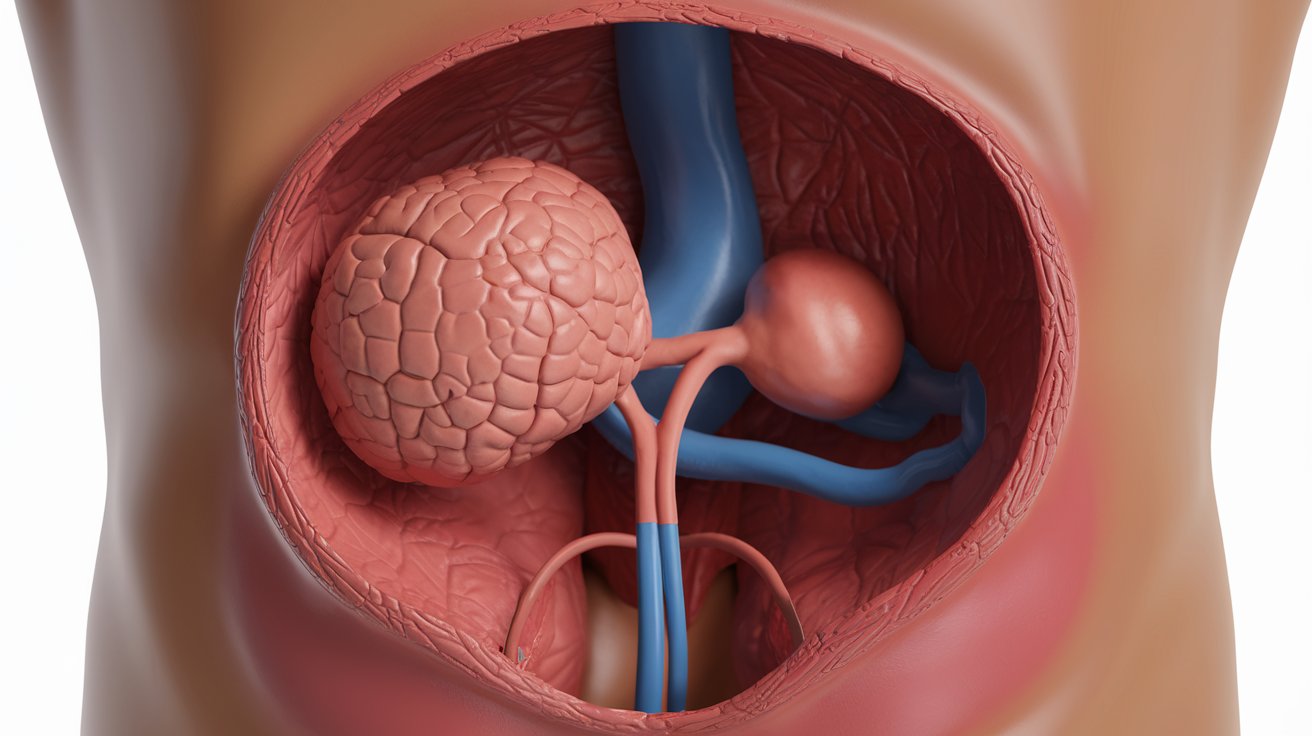
A prostate biopsy procedure is performed to collect tissue samples from the prostate gland for laboratory analysis, typically to detect or rule out prostate cancer. The procedure is conducted in a urologist’s office or outpatient facility and usually takes 15 to 30 minutes to complete. In 2026, the two primary approaches used in the United States are transrectal ultrasound-guided biopsy (TRUS) and transperineal biopsy, with MRI-fusion techniques increasingly utilized for targeted sampling in high-risk patients.
During a transrectal biopsy, the physician inserts an ultrasound probe into the rectum to visualize the prostate gland. Using this guidance, a spring-loaded needle passes through the rectal wall to collect 10 to 12 tissue cores from different prostate regions. Local anesthesia is administered via injection around the prostate nerve bundles to minimize discomfort. The transperineal approach, gaining popularity in 2026 due to lower infection risks, involves accessing the prostate through the perineum (skin between scrotum and rectum) while the patient is under sedation or general anesthesia. This method significantly reduces infection complications from bowel bacteria, dropping rates from approximately 3% with transrectal to less than 0.5% with transperineal techniques according to recent United States clinical data.
Common Side Effects After a Prostate Biopsy
Understanding expected side effects after a prostate biopsy helps distinguish normal recovery from complications requiring medical attention. The most common experiences include blood in urine, semen, or stool, alongside mild discomfort in the biopsy area. According to 2026 patient outcome data from major United States medical centers, over 90% of men experience at least one of these symptoms during the first week of recovery.
Blood in Urine and Semen
Hematuria (blood in urine) affects approximately 75% to 80% of prostate biopsy patients and typically resolves within 3 to 5 days. The blood appears as pink or light red coloring in urine and gradually diminishes with adequate hydration. Drinking 8 to 10 glasses of water daily helps flush the urinary system and speeds resolution. Hematospermia (blood in semen) is even more common, occurring in 80% to 90% of patients, and can persist for 3 to 6 weeks after the procedure. This is completely normal and does not indicate complications. The 2026 guidelines reassure patients that blood-tinged semen may appear bright red initially, transitioning to brown or rust-colored as older blood clears, and requires no specific treatment beyond patience.
Pain and Discomfort Levels
Many men wonder how painful is a prostate biopsy and what discomfort to expect afterward. During the procedure itself, most patients report pressure sensations and brief sharp stings as each tissue sample is taken, with pain levels typically rated 3 to 5 out of 10 on pain scales according to 2026 patient surveys. Post-procedure discomfort manifests as soreness or aching in the perineal area, rectum, or lower abdomen, usually described as mild to moderate. Over-the-counter medications like acetaminophen or ibuprofen effectively manage this discomfort for 90% of patients. Approximately 15% of men experience more significant pain requiring prescription pain relievers for 24 to 48 hours. Sitting on soft surfaces and taking warm baths can provide additional relief during the first few recovery days.
Infection Warning Signs
While infection rates have decreased significantly with improved techniques, they remain the most serious potential complication. Transrectal biopsies carry a 1% to 3% infection risk in 2026, while transperineal approaches reduce this to under 0.5%. Warning signs requiring immediate medical attention include fever above 100.4°F (38°C), chills, severe pelvic pain, inability to urinate, or foul-smelling discharge. Most infections manifest within 72 hours post-procedure, though delayed infections can occur up to 7 days later. Prophylactic antibiotics administered before and after the biopsy have reduced severe infections by approximately 60% compared to earlier protocols. United States medical centers now emphasize patient education about infection symptoms, as early recognition and treatment prevent serious complications like sepsis.
Activity Restrictions After a Prostate Biopsy
Following specific activity restrictions after a prostate biopsy accelerates healing and minimizes complication risks. The 2026 post-biopsy protocols emphasize graduated return to normal activities based on symptom resolution and individual recovery progress.
Physical Activity and Exercise Limitations
Physicians recommend avoiding strenuous physical activity for 3 to 5 days following a prostate biopsy. This includes heavy lifting over 10 to 15 pounds, vigorous exercise, running, cycling, or any activity causing significant strain or bouncing of the pelvic region. Light walking is encouraged starting the day after the procedure as it promotes circulation without stressing healing tissues. Most men can resume moderate exercise after 5 to 7 days if bleeding has resolved and discomfort is minimal. High-intensity workouts, competitive sports, and resistance training should wait until 2 weeks post-procedure. The 2026 guidelines particularly caution against activities like cycling or horseback riding that place direct pressure on the perineum, recommending a full 2 to 3 week hiatus from these specific activities to prevent tissue irritation.
Work and Daily Activities
The question of how many days should I rest after a prostate biopsy depends on occupation and procedure tolerance. Men with sedentary desk jobs often return to work within 1 to 2 days, while those with physically demanding occupations should plan for 3 to 5 days off. Approximately 70% of United States patients take 1 to 3 days of rest according to 2026 employment data. Driving is typically permitted after 24 hours once sedation effects fully wear off and pain medication use ends. However, prolonged sitting during long commutes may cause discomfort during the first week. Creating a modified work schedule with frequent standing breaks or working from home for the first few days optimizes comfort while maintaining productivity.
Sexual Activity Resumption Guidelines
Understanding restrictions on sexual activity after a prostate biopsy is a common patient concern. Medical guidance recommends abstaining from sexual intercourse and ejaculation for 5 to 7 days post-procedure to allow adequate healing time. This waiting period reduces risks of bleeding, discomfort, and introducing infection through the healing biopsy sites. The presence of blood in semen, while normal, can persist for several weeks and should not alone prevent resumption of sexual activity once the initial healing period passes. Some men experience temporary erectile difficulties or reduced libido during the first 2 to 3 weeks due to anxiety, discomfort, or minor nerve irritation, but these typically resolve completely. The 2026 sexual medicine guidelines note that 95% of men report return to normal sexual function within one month, with no long-term impact on erectile or ejaculatory function from the biopsy itself.
Strategies to Minimize Recovery Time
Implementing evidence-based strategies can optimize prostate biopsy recovery time and reduce symptom severity. The 2026 post-procedure protocols emphasize proactive self-care measures that accelerate healing while preventing complications.
Hydration and Dietary Considerations
Adequate hydration ranks among the most important recovery factors, with urologists recommending 8 to 10 glasses of water daily during the first week. Increased fluid intake helps flush blood from the urinary system, reduces clot formation risk, and maintains comfortable urination. A diet rich in anti-inflammatory foods including fruits, vegetables, whole grains, and omega-3 fatty acids supports tissue healing and immune function. Avoiding alcohol for 48 to 72 hours post-procedure prevents blood thinning that could prolong bleeding. Some physicians recommend stool softeners for 3 to 5 days after transrectal biopsies to prevent straining during bowel movements, which could irritate healing rectal tissues and cause discomfort or bleeding.
Medication Management and Pain Control
Proper pain medication management enhances comfort without interfering with healing. Acetaminophen (Tylenol) serves as first-line treatment for mild discomfort, while ibuprofen or naproxen provide anti-inflammatory benefits for moderate pain. Patients should avoid aspirin and blood-thinning medications for 5 to 7 days unless specifically directed otherwise by their physician. Completing the full course of prescribed antibiotics remains critical for infection prevention, even if symptoms improve quickly. The 2026 protocols emphasize taking antibiotics with food to minimize gastrointestinal side effects and maintaining consistent dosing schedules. For men experiencing significant anxiety about results or the procedure, short-term anti-anxiety medications may improve sleep quality and overall recovery experience during the waiting period for biopsy results.
Monitoring and Follow-Up Care
Vigilant symptom monitoring enables early detection of complications requiring medical intervention. Patients should track bleeding patterns, pain levels, urination changes, and temperature twice daily during the first week. Keeping a simple recovery journal helps identify concerning trends. Most urologists schedule a follow-up appointment 7 to 14 days post-procedure to discuss biopsy results and assess healing progress. The 2026 telemedicine integration allows many follow-ups to occur virtually unless physical examination is needed. Patients should contact their physician immediately for fever, inability to urinate, heavy bright red bleeding persisting beyond 3 days, or severe pain uncontrolled by recommended medications. Early intervention for complications significantly improves outcomes and prevents serious health consequences.
Is a Prostate Biopsy Major Surgery?
Many men ask is a prostate biopsy major surgery when facing this diagnostic procedure. A prostate biopsy is definitively not major surgery but rather a minimally invasive outpatient procedure requiring no incisions or general anesthesia in most cases. The procedure carries significantly lower risks compared to surgical interventions, with serious complication rates under 2% according to 2026 United States medical data. No hospital admission is required, and patients return home the same day, typically within 30 to 60 minutes of procedure completion.
Unlike major surgery requiring extensive recovery periods, most prostate biopsy patients resume normal activities within a week. The procedure does not alter prostate anatomy or function, and tissue samples heal naturally without sutures. Modern techniques have refined the process to minimize discomfort and complications while maximizing diagnostic accuracy. However, the procedure should still be taken seriously regarding post-care instructions and infection prevention. The 2026 classification systems categorize prostate biopsy as a minor diagnostic procedure with low morbidity, distinguishing it clearly from surgical treatments like prostatectomy or radiation therapy that would follow if cancer is diagnosed.
Does a Prostate Biopsy Damage the Prostate?
Concerns about whether a prostate biopsy damages the prostate are common among patients researching the procedure. The short answer is that while the biopsy creates temporary tissue trauma, it does not cause permanent damage or impair prostate function in the vast majority of cases. The needle samples remove extremely small tissue cores, typically 1mm in diameter and 15-20mm in length, representing less than 0.5% of total prostate volume. These microscopic channels heal naturally within 2 to 3 weeks through normal tissue repair processes.
Extensive 2026 research from United States urology centers confirms that prostate biopsies do not increase cancer spread risks, cause long-term erectile dysfunction, or permanently damage urinary function. The tissue sampling does not weaken the prostate structure or impair its hormonal functions. Some men experience temporary urinary symptoms like increased frequency or mild discomfort during urination for several days, but these resolve as healing progresses. The theoretical concern about tumor cell displacement along the needle track has been thoroughly studied, with evidence showing this extremely rare event has no clinical significance or impact on cancer outcomes. Modern spring-loaded biopsy needles and refined techniques have further minimized any tissue trauma beyond the intended sampling.
Alternatives to Traditional Prostate Biopsy
Men seeking alternatives to prostate biopsy have several newer diagnostic options available in 2026, though each carries specific limitations. Multiparametric MRI (mpMRI) of the prostate has emerged as a powerful non-invasive tool that can identify suspicious areas and sometimes provide enough information to defer or better target biopsies. Approximately 25% to 30% of men with elevated PSA levels can avoid immediate biopsy based on negative MRI findings according to current United States protocols. However, MRI cannot definitively diagnose cancer without tissue confirmation.
Several blood and urine biomarker tests supplement PSA testing to improve cancer detection accuracy without biopsy. The Prostate Health Index (PHI), 4Kscore test, SelectMDx, and ExoDx tests analyze various markers to calculate cancer probability, helping men make more informed decisions about biopsy necessity. These tests cost between 200 and 600 dollars in the United States and may not be covered by all insurance plans. For men with previous negative biopsies but continued suspicion, MRI-fusion biopsy techniques combine MRI imaging with real-time ultrasound during the procedure, improving cancer detection rates by 15% to 20% compared to standard systematic biopsies. Despite these advances, tissue biopsy remains the gold standard for definitive prostate cancer diagnosis when clinical suspicion warrants investigation.
Prostate Biopsy Effectiveness and Accuracy
Understanding how effective prostate biopsies are at identifying cancer helps patients appreciate the procedure’s diagnostic value. Standard 12-core systematic biopsies detect approximately 75% to 80% of clinically significant prostate cancers present in the gland. The 2026 detection rates have improved with MRI-fusion guidance, which increases sensitivity to 85% to 90% for high-grade cancers while reducing detection of insignificant low-grade tumors that might never cause health problems.
False-negative results occur in 15% to 25% of cases, meaning cancer is present but not detected in the tissue samples taken. This explains why repeat biopsies are sometimes necessary when clinical suspicion remains high despite negative initial results. The sampling limitation exists because needles only capture tiny portions of a walnut-sized organ, potentially missing small tumor foci. However, truly aggressive cancers are rarely missed completely, as they typically occupy larger prostate volumes. False-positive results are essentially non-existent since pathologists examine actual tissue under microscopes, though occasional sampling artifacts or interpretation challenges can occur. The 2026 pathology standards in the United States require specialized genitourinary pathologists for prostate tissue interpretation, ensuring diagnostic accuracy exceeding 98% for cancer presence or absence in the specific samples obtained.
Long-Term Side Effects and Complications
While most recovery occurs quickly, some men experience long-term side effects of prostate biopsy that persist beyond the typical healing period. According to 2026 long-term outcome studies, approximately 5% to 8% of patients report symptoms lasting beyond one month. Chronic pelvic pain syndrome develops in roughly 1% to 2% of men, manifesting as persistent discomfort in the prostate region, perineum, or rectum. This condition may require specialized pain management approaches including pelvic floor physical therapy, anti-inflammatory medications, or alpha-blocker drugs.
Erectile dysfunction attributable directly to the biopsy is rare, affecting less than 1% of patients long-term, though anxiety about cancer diagnosis may temporarily impact sexual function in a broader population. Urinary symptoms such as frequency, urgency, or weak stream persisting beyond 4 weeks occur in approximately 2% to 3% of cases and typically resolve within 3 to 6 months. Very rarely, scar tissue formation or infection complications can cause lasting issues requiring additional medical intervention. The 2026 United States medical literature emphasizes that serious long-term complications are uncommon with modern techniques, particularly transperineal approaches that further reduce infection-related sequelae. Patients experiencing symptoms beyond expected recovery timeframes should maintain communication with their urologist for appropriate evaluation and management strategies.
Related video about prostate biopsy recovery time
This video complements the article information with a practical visual demonstration.
Key Questions and Answers
How painful is a prostate biopsy during and after the procedure?
During a prostate biopsy, most men rate pain levels between 3 to 5 out of 10, experiencing brief sharp stings as tissue samples are taken. Local anesthesia significantly reduces discomfort during the procedure. Afterward, pain is typically mild to moderate, described as soreness or aching in the perineal or rectal area for 2 to 3 days. Over-the-counter medications like acetaminophen or ibuprofen effectively manage post-procedure discomfort for approximately 90% of patients. About 15% experience more significant pain requiring prescription medications for 24 to 48 hours. Pain intensity varies based on individual pain tolerance, biopsy technique used, and number of samples collected.
What should you not do after a prostate biopsy?
After a prostate biopsy, avoid strenuous physical activity, heavy lifting over 10 to 15 pounds, and vigorous exercise for 3 to 5 days. Refrain from sexual activity and ejaculation for 5 to 7 days to allow proper healing. Do not take aspirin or blood-thinning medications unless specifically instructed by your physician. Avoid alcohol for 48 to 72 hours as it can prolong bleeding. Do not ignore warning signs like fever above 100.4°F, inability to urinate, or heavy persistent bleeding, which require immediate medical attention. Avoid cycling, horseback riding, or activities placing direct perineal pressure for 2 to 3 weeks.
How many days should I rest after a prostate biopsy?
Most men should plan for 1 to 3 days of reduced activity after a prostate biopsy, depending on their occupation and procedure tolerance. Those with sedentary desk jobs often return to work within 1 to 2 days, while men with physically demanding jobs should take 3 to 5 days off. Complete rest on the procedure day is recommended, with gradual activity resumption based on symptom resolution. Light walking is encouraged starting the next day, but strenuous activities should be avoided for at least 3 to 5 days. Approximately 70% of United States patients take 1 to 3 days off work according to 2026 data.
Is a prostate biopsy considered major surgery?
No, a prostate biopsy is not major surgery but rather a minimally invasive outpatient diagnostic procedure. It requires no surgical incisions, typically uses only local anesthesia, and patients return home the same day within 30 to 60 minutes of completion. The procedure carries serious complication rates under 2% according to 2026 data, significantly lower than surgical interventions. Most men resume normal activities within one week without permanent changes to prostate anatomy or function. The 2026 medical classification systems categorize prostate biopsy as a minor diagnostic procedure, clearly distinguishing it from major surgical treatments like prostatectomy.
Can blood in semen after a prostate biopsy last for weeks?
Yes, blood in semen after a prostate biopsy is completely normal and commonly persists for 3 to 6 weeks, affecting 80% to 90% of patients. The blood may appear bright red initially, transitioning to brown or rust-colored as older blood clears from the reproductive tract. This prolonged timeframe occurs because semen travels through various structures that heal at different rates. The condition requires no specific treatment beyond patience and does not indicate complications. Men can typically resume sexual activity after the initial 5 to 7 day healing period even if blood traces remain in semen, as this does not represent active bleeding or healing problems.
What are the risks of infection after a prostate biopsy?
Infection risks after prostate biopsy vary by technique, with transrectal biopsies carrying 1% to 3% risk and transperineal approaches reducing this to under 0.5% in 2026. Most infections occur within 72 hours post-procedure, though delayed infections can develop up to 7 days later. Warning signs include fever above 100.4°F, chills, severe pelvic pain, inability to urinate, or foul-smelling discharge requiring immediate medical attention. Prophylactic antibiotics administered before and after the procedure have reduced severe infections by approximately 60%. Early recognition and treatment of infection symptoms prevent serious complications like sepsis, which is why patient education about warning signs is critical.
| Recovery Aspect | Timeline | Key Recommendations |
|---|---|---|
| Initial Symptom Relief | 3 to 5 days | Rest, hydration, pain medication as needed |
| Return to Work | 1 to 5 days depending on job | Desk jobs 1-2 days, physical labor 3-5 days |
| Sexual Activity | 5 to 7 days abstinence | Wait for initial healing, expect blood in semen 3-6 weeks |
| Exercise Resumption | Light activity 1-2 days, full 2 weeks | Avoid strenuous activity 3-5 days, high-intensity 2 weeks |
| Complete Healing | 2 to 3 weeks | Follow all post-care instructions, monitor symptoms |
| Complication Watch Period | First 7 days critical | Monitor for fever, severe pain, inability to urinate |