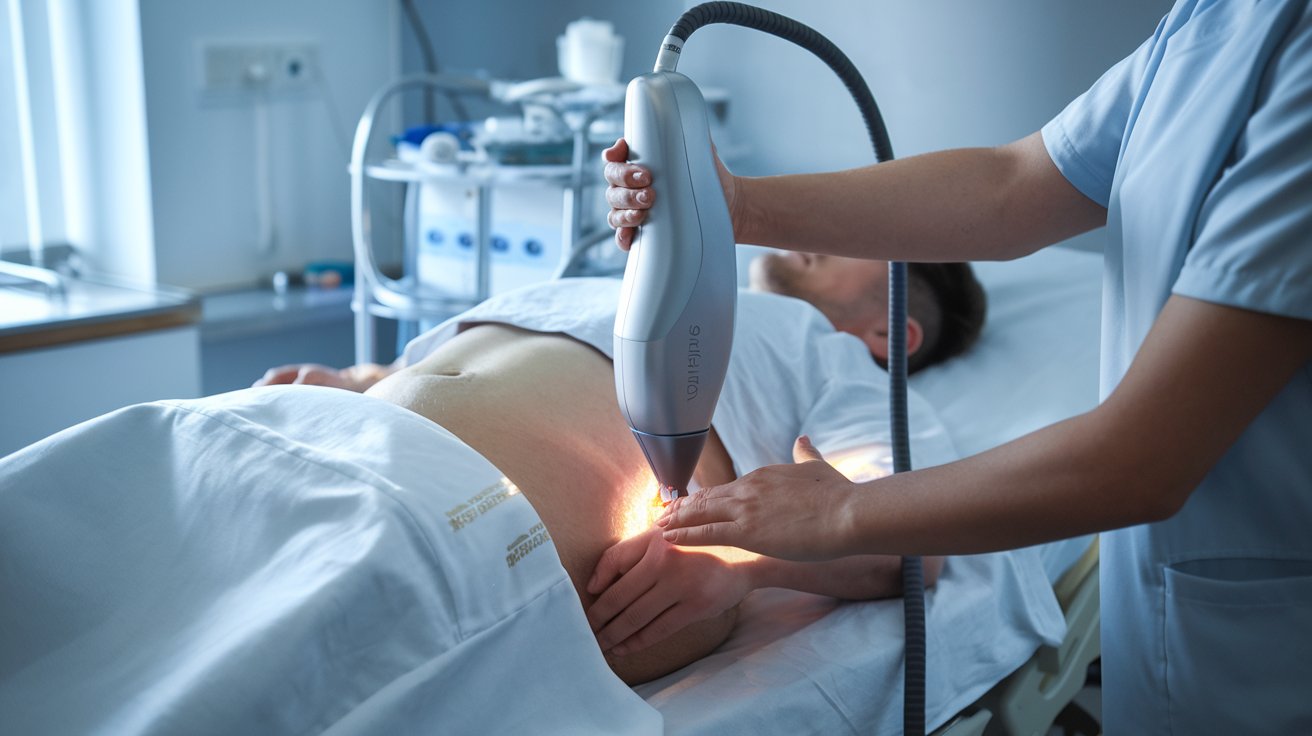
Shockwave therapy for erectile dysfunction has emerged as a groundbreaking non-invasive treatment option that helps men restore natural erectile function without medications or surgery. This innovative therapy uses low-intensity acoustic waves to stimulate blood vessel growth and improve blood flow to the penis. As of 2026, thousands of men across the United States are experiencing improved sexual performance through this FDA-cleared treatment, with clinical studies showing success rates between 60-75% for men with vascular erectile dysfunction.
What Is Shockwave Therapy for Erectile Dysfunction
Shockwave therapy for erectile dysfunction is a cutting-edge medical treatment that applies low-intensity extracorporeal shockwaves directly to penile tissue to reverse the underlying vascular causes of ED. The procedure works by delivering targeted acoustic pulses that trigger neovascularization, which is the formation of new blood vessels in treated areas. This therapeutic approach addresses the root cause of erectile dysfunction rather than temporarily masking symptoms like oral medications do.
The treatment was originally developed for breaking up kidney stones, but researchers discovered its remarkable regenerative properties for soft tissue. When applied to penile tissue, these acoustic waves create microtrauma that stimulates the body’s natural healing response. This process releases growth factors including vascular endothelial growth factor (VEGF) and promotes the formation of new blood vessels, ultimately improving blood flow to the erectile chambers. Clinical evidence from 2026 demonstrates that this therapy can provide lasting improvements for men with mild to moderate erectile dysfunction.
How Does Shockwave Therapy Work for ED
The mechanism behind shockwave therapy involves several biological processes that work synergistically to restore erectile function. When low-intensity shockwaves penetrate penile tissue, they cause controlled microtrauma that triggers the release of angiogenic factors. These growth factors stimulate endothelial cells to proliferate and form new capillaries, a process known as angiogenesis. Additionally, the treatment breaks down existing plaque formations in blood vessels and remodels existing vascular structures to improve their functionality.
During the procedure, a handheld device delivers approximately 3,000 to 5,000 shockwave pulses per session to specific areas of the penis and perineum. The acoustic waves penetrate tissue up to 12 centimeters deep, reaching the corpus cavernosum where erectile function originates. Studies published in 2026 show that this stimulation increases nitric oxide production, which is essential for smooth muscle relaxation and arterial dilation during erections. The treatment also activates dormant stem cells in penile tissue, contributing to tissue regeneration and improved erectile capacity over time.
Shockwave Therapy vs Radial Wave Therapy
Understanding the difference between true low-intensity shockwave therapy and radial wave therapy is crucial for treatment success. Focused shockwave therapy uses electrohydraulic, electromagnetic, or piezoelectric technology to generate true acoustic shockwaves that converge at a specific focal point deep within tissue. This focused energy reaches the corpus cavernosum effectively and delivers therapeutic benefits at the cellular level. The penetration depth of focused shockwaves ranges from 3 to 12 centimeters, making them ideal for treating vascular erectile dysfunction.
Radial wave therapy, conversely, uses pneumatic pressure to create pressure waves that spread radially from the point of contact. While radial wave devices are less expensive and more commonly available, they only penetrate 3 to 4 centimeters and dissipate energy quickly as they travel through tissue. Research from 2026 indicates that focused shockwave therapy demonstrates superior clinical outcomes for erectile dysfunction compared to radial wave therapy. Men considering treatment should verify that their provider uses genuine focused shockwave technology, as many clinics in the United States market radial wave devices under the shockwave therapy label without disclosing the significant difference in therapeutic depth and efficacy.
Shockwave Therapy for ED Success Rate
Clinical trials conducted through 2026 demonstrate that shockwave therapy success rates range from 60% to 75% for men with vascular erectile dysfunction. A comprehensive meta-analysis published in early 2026 reviewed 28 randomized controlled trials involving over 2,100 patients and found that men treated with low-intensity shockwave therapy experienced significant improvements in International Index of Erectile Function (IIEF) scores compared to placebo groups. The most dramatic improvements occurred in men with mild to moderate ED, while those with severe erectile dysfunction or significant comorbidities showed more modest but still meaningful results.
Success rates vary based on several factors including the severity of erectile dysfunction, underlying health conditions, treatment protocol, and device technology used. Men with vasculogenic ED caused by insufficient blood flow typically respond better than those with neurogenic or psychological ED. The latest 2026 research indicates that younger men without diabetes or significant cardiovascular disease achieve success rates approaching 80%, while men over 65 with multiple health conditions see approximately 50-60% improvement. Treatment protocols typically involve 6 to 12 sessions over 6 to 9 weeks, with benefits often lasting 1 to 2 years before maintenance sessions may be needed.
Is Shockwave Therapy for ED Permanent
The question of permanence regarding shockwave therapy for erectile dysfunction requires understanding that this treatment promotes biological regeneration rather than temporary symptom relief. Unlike oral medications that work for only a few hours, shockwave therapy stimulates the growth of new blood vessels that can provide lasting improvements in erectile function. Clinical follow-up studies tracking patients for up to 3 years post-treatment show that many men maintain significant improvements without additional interventions, though individual results vary considerably based on lifestyle factors and overall health.
As of 2026, evidence suggests that shockwave therapy results typically last between 1 to 3 years for most patients. Men who maintain healthy lifestyle habits including regular exercise, proper nutrition, smoking cessation, and cardiovascular health tend to experience longer-lasting benefits. The regenerative effects are not infinitely permanent because the natural aging process and progression of underlying conditions like diabetes or atherosclerosis continue to affect vascular health. Many men choose to undergo maintenance treatments every 12 to 24 months to sustain optimal results. Importantly, shockwave therapy does not preclude the use of other ED treatments, and many men find that even if full function does not return permanently, their response to oral medications improves significantly after completing a shockwave therapy protocol.
Shockwave Therapy Cost and Insurance Coverage
The cost of shockwave therapy for erectile dysfunction in the United States varies significantly based on geographic location, provider expertise, and the number of sessions required. As of 2026, patients typically pay between $400 and $800 per session, with complete treatment protocols ranging from $3,000 to $6,000 for a standard course of 6 to 12 sessions. Major metropolitan areas like New York, Los Angeles, and San Francisco generally command higher prices, while costs in smaller cities and rural areas tend toward the lower end of this spectrum.
Insurance coverage for ED shockwave therapy remains limited in 2026, as most insurers classify the treatment as investigational or elective despite growing clinical evidence supporting its efficacy. Medicare does not currently cover shockwave therapy for erectile dysfunction, and most private insurance plans follow similar policies. Some health savings accounts (HSAs) and flexible spending accounts (FSAs) may allow funds to be used for treatment, and certain men’s health clinics offer financing options or package pricing to make treatment more accessible. Patients should request detailed pricing information upfront and verify whether their specific insurance plan provides any coverage before committing to treatment.
Who Are Good Candidates for Shockwave Therapy
Ideal candidates for shockwave therapy are men with mild to moderate erectile dysfunction caused by vascular insufficiency who have not achieved satisfactory results with lifestyle modifications or who want to reduce dependence on oral medications. Men between ages 40 and 70 with vasculogenic ED typically respond best to treatment. Those who experience difficulties maintaining erections, reduced rigidity, or diminished sexual performance due to compromised blood flow to penile tissue are particularly good candidates for this regenerative approach.
Men who should consider shockwave therapy for ED include those with risk factors such as high blood pressure, high cholesterol, obesity, metabolic syndrome, or early-stage cardiovascular disease that affects penile blood flow. Young men experiencing erectile dysfunction related to pelvic trauma or radiation therapy may also benefit significantly. However, certain conditions may reduce treatment effectiveness or contraindicate therapy altogether. Men with severe erectile dysfunction who do not respond to maximum doses of PDE5 inhibitors, those with significant nerve damage from radical prostatectomy, individuals with active urinary tract infections, and men with bleeding disorders or taking anticoagulants should discuss alternative treatment options with their healthcare providers before pursuing shockwave therapy.
The Shockwave Therapy Procedure
The low-intensity shockwave therapy procedure is performed in an outpatient setting and typically takes 15 to 20 minutes per session. No anesthesia is required, as the treatment causes minimal discomfort that most men describe as a mild tingling or tapping sensation. Patients remain fully clothed except for the treatment area, and the procedure involves no incisions, needles, or invasive techniques. A water-based gel is applied to the penis and surrounding areas to facilitate acoustic wave transmission, similar to the gel used during ultrasound examinations.
During treatment, a trained specialist applies the shockwave therapy device to multiple locations along the penile shaft, glans, and perineum. The device delivers between 300 and 600 pulses to each treatment location, totaling approximately 3,000 to 5,000 pulses per session. The entire penis receives systematic coverage to ensure comprehensive vascular stimulation. Most protocols in 2026 involve twice-weekly sessions for three weeks, followed by a three-week rest period, then another three weeks of twice-weekly sessions for a total of 12 treatments. Some providers use modified protocols with 6 to 9 sessions based on individual assessment. Patients can immediately resume normal activities including sexual activity, though providers typically recommend waiting 24 hours before engaging in intercourse to allow treated tissues to begin the healing process.
Shockwave Therapy Risks and Side Effects
One of the primary advantages of shockwave therapy for erectile dysfunction is its excellent safety profile with minimal adverse effects reported in clinical studies. The most common side effects are temporary and mild, including slight redness or bruising at treatment sites, minor discomfort during or immediately after sessions, and occasional temporary tingling sensations in the treated area. These effects typically resolve within 24 to 48 hours without intervention and do not interfere with daily activities or sexual function.
Serious complications from low-intensity shockwave therapy are exceptionally rare when performed by qualified practitioners using appropriate protocols and FDA-cleared devices. Unlike surgical interventions for erectile dysfunction, shockwave therapy carries no risk of infection, scarring, or permanent damage. There is no downtime required, and the treatment does not interfere with sensation or orgasmic function. Men with certain conditions should exercise caution, including those with active infections in the treatment area, bleeding disorders, malignancies in the pelvic region, or those taking anticoagulant medications. As of 2026, contraindications also include men with penile implants or those who have had recent pelvic surgery within the past three months. Providers should conduct thorough medical histories and physical examinations before initiating treatment to ensure patient safety and optimize outcomes.
How Long Does Shockwave Therapy Take to Work
The timeline for experiencing results from shockwave therapy varies among individuals, but most men begin noticing improvements in erectile function within 2 to 4 weeks after starting treatment. The biological processes triggered by acoustic waves, including neovascularization and tissue remodeling, require time to develop and mature. Some men report enhanced spontaneous morning erections and improved rigidity after just 3 to 4 sessions, while others may not perceive significant changes until completing the full treatment protocol of 6 to 12 sessions.
Optimal results from shockwave therapy for ED typically manifest 8 to 12 weeks after completing the full course of treatment. This delayed response reflects the time needed for new blood vessels to form, existing vessels to remodel, and penile tissue to regenerate fully. Clinical studies from 2026 show that improvements continue to develop for up to 6 months post-treatment as the body’s healing cascade progresses. Men should maintain realistic expectations and understand that shockwave therapy works gradually by addressing underlying vascular pathology rather than providing immediate symptomatic relief like oral medications. Factors affecting response time include the severity of erectile dysfunction, age, overall cardiovascular health, and adherence to lifestyle modifications that support vascular health such as regular exercise and smoking cessation.
Shockwave Therapy at Home vs Clinical Treatment
The proliferation of at-home shockwave therapy devices marketed directly to consumers has raised important questions about efficacy and safety compared to professionally administered clinical treatments. As of 2026, several companies sell portable devices claiming to deliver therapeutic shockwaves for erectile dysfunction in home settings. However, significant differences exist between these consumer devices and professional-grade equipment used in medical facilities. Most at-home devices use radial wave technology rather than focused shockwaves, delivering substantially less energy at reduced penetration depths that may not reach the corpus cavernosum effectively.
Clinical shockwave therapy administered by trained specialists offers several advantages over home treatment options. Medical-grade devices generate true focused shockwaves with precise energy levels and penetration depths verified through rigorous testing and FDA clearance processes. Specialists can adjust treatment parameters based on individual anatomy and condition severity, ensuring optimal therapeutic dosing. Professional treatment also includes proper patient selection, comprehensive evaluation to rule out contraindications, and systematic application protocols developed through clinical research. While at-home devices cost significantly less, ranging from $200 to $1,500, their effectiveness remains questionable based on 2026 scientific literature. Men considering treatment should prioritize clinically proven approaches delivered by qualified healthcare providers to maximize safety and therapeutic outcomes rather than experimenting with unvalidated consumer devices.
Finding Shockwave Therapy Providers Near You
Locating qualified shockwave therapy for erectile dysfunction providers requires careful research to ensure practitioners use authentic focused shockwave technology and follow evidence-based protocols. As of 2026, treatment is available through men’s health clinics, urology practices, sexual medicine specialists, and some regenerative medicine centers across the United States. Major cities typically have multiple providers, while rural areas may have limited access requiring travel to urban centers for treatment.
When searching for shockwave therapy near me, men should verify several critical factors before committing to treatment. First, confirm the provider uses genuine focused shockwave technology rather than radial wave devices by asking specific questions about the equipment manufacturer and technical specifications. Second, ensure practitioners have appropriate training and credentials in sexual medicine or urology. Third, request information about treatment protocols, including the number of sessions recommended, energy settings used, and expected outcomes based on your specific condition. Reputable providers offer comprehensive consultations including medical history review, physical examination, and discussion of realistic expectations before initiating treatment. Warning signs of potentially problematic providers include guarantees of success, aggressive marketing tactics, unwillingness to discuss device specifications, or claims that significantly exceed published clinical evidence. Online reviews, professional organization memberships, and referrals from primary care physicians can help identify trustworthy providers in your area.
Combining Shockwave Therapy with Other ED Treatments
Shockwave therapy can be effectively combined with other evidence-based erectile dysfunction treatments to optimize outcomes and provide comprehensive management. Many men continue using PDE5 inhibitors like sildenafil, tadalafil, or vardenafil during and after shockwave therapy, often finding they require lower doses or respond better to these medications after completing treatment. The regenerative effects of shockwave therapy complement the acute vasodilatory effects of oral medications, creating synergistic benefits for erectile function.
Lifestyle modifications represent essential adjunctive interventions that enhance shockwave therapy results and support long-term vascular health. Regular cardiovascular exercise improves endothelial function and promotes blood flow throughout the body, including penile tissue. Weight loss in overweight or obese men reduces inflammatory markers and improves testosterone levels, both of which contribute to better erectile function. Smoking cessation is particularly critical, as tobacco use damages blood vessels and counteracts the regenerative effects of shockwave therapy. Some men’s health specialists in 2026 recommend combining shockwave therapy with testosterone replacement therapy for men with confirmed hypogonadism, platelet-rich plasma (PRP) injections for enhanced tissue regeneration, or pelvic floor physical therapy to address muscular components of erectile dysfunction. These multimodal approaches address erectile dysfunction from multiple angles, maximizing the likelihood of successful outcomes.
The Connection Between Erectile Dysfunction and Heart Disease
The relationship between erectile dysfunction and cardiovascular disease is well-established in medical literature, with ED often serving as an early warning sign of systemic vascular problems. The blood vessels in the penis are significantly smaller in diameter than coronary arteries, typically measuring 1 to 2 millimeters compared to 3 to 4 millimeters for heart vessels. This anatomical difference means that atherosclerotic plaque buildup affects penile blood flow earlier than cardiac circulation, causing erectile symptoms to appear 3 to 5 years before heart attack or stroke in many men.
Men experiencing erectile dysfunction should undergo cardiovascular risk assessment as part of comprehensive evaluation, especially if they have risk factors such as high blood pressure, elevated cholesterol, diabetes, smoking history, or family history of heart disease. Studies from 2026 demonstrate that men with ED have significantly increased risk of major adverse cardiovascular events compared to men without erectile problems. The Princeton Consensus Guidelines recommend that men with new-onset ED receive cardiac evaluation before starting any treatment, including shockwave therapy. This proactive approach allows early detection and management of cardiovascular disease, potentially preventing serious cardiac events. Shockwave therapy may offer dual benefits by improving both erectile function and general vascular health through stimulation of neovascularization and endothelial function enhancement, though more research is needed to confirm systemic cardiovascular benefits beyond penile tissue.
Related video about shockwave therapy for erectile dysfunction
This video complements the article information with a practical visual demonstration.
FAQ – Common Questions
How to maintain erection for 30 minutes with medicine?
Maintaining an erection for extended periods with medication involves using PDE5 inhibitors like tadalafil (Cialis) or sildenafil (Viagra) taken 30-60 minutes before sexual activity. Tadalafil offers the longest duration of action, remaining effective for up to 36 hours, while sildenafil works for approximately 4-5 hours. Proper sexual stimulation is required for these medications to work, and factors like taking them on an empty stomach, avoiding excessive alcohol, and managing stress contribute to optimal performance. However, erections lasting longer than 4 hours require immediate medical attention. Combining medication with lifestyle improvements and potentially shockwave therapy can enhance natural erectile capacity beyond pharmaceutical intervention alone.
How does a wife deal with erectile dysfunction?
Partners can support men experiencing erectile dysfunction by maintaining open, non-judgmental communication about the condition and its emotional impact on both individuals. Understanding that ED is a medical condition rather than a reflection of attraction or relationship quality helps reduce anxiety that worsens symptoms. Couples benefit from exploring intimacy beyond penetrative intercourse, focusing on emotional connection and pleasure through other forms of physical affection. Attending medical appointments together demonstrates partnership and helps both people understand treatment options like shockwave therapy. Couples counseling or sex therapy provides valuable tools for navigating the psychological challenges of ED while maintaining relationship satisfaction during treatment.
Can erectile dysfunction be cured permanently?
Whether erectile dysfunction can be cured permanently depends on the underlying cause and severity of the condition. ED caused by psychological factors, certain medications, or lifestyle issues like obesity may resolve completely with appropriate interventions. Vascular ED from atherosclerosis or diabetes is typically managed rather than cured, though treatments like shockwave therapy can provide long-lasting improvements by regenerating blood vessels. Young men with ED from pelvic trauma or venous leak may achieve permanent resolution with specific treatments. As of 2026, most men with age-related or chronic disease-related ED require ongoing management through medications, devices, or periodic maintenance treatments like shockwave therapy rather than experiencing complete permanent cure.
What is the best shockwave therapy machine for erectile dysfunction?
The best shockwave therapy machines for erectile dysfunction use focused shockwave technology rather than radial wave systems. Top-tier devices include the Storz Medical Duolith, Dornier Aries 2, and Swiss DolorClast, which generate true electrohydraulic or electromagnetic shockwaves with precise focal points reaching deep penile tissue. These medical-grade systems cost $30,000 to $100,000 and are FDA-cleared for various medical applications. Key specifications include energy flux density between 0.09-0.15 mJ/mm², penetration depth of 3-12 cm, and frequency ranges of 1-4 Hz. Patients should prioritize finding qualified providers using certified equipment rather than focusing solely on device brand, as proper technique and treatment protocols significantly impact outcomes beyond machine specifications alone.
Does shockwave therapy for erectile dysfunction really work?
Yes, shockwave therapy for erectile dysfunction has demonstrated effectiveness in multiple randomized controlled trials and meta-analyses published through 2026. Studies show that 60-75% of men with mild to moderate vasculogenic ED experience significant improvements in erectile function measured by validated assessment tools like the International Index of Erectile Function (IIEF). The therapy works by stimulating new blood vessel formation through neovascularization and improving existing vascular function in penile tissue. Results are most pronounced in men with vascular ED without severe comorbidities. However, effectiveness varies based on ED severity, underlying health conditions, device technology used, and treatment protocols followed. While not universally successful for all men, shockwave therapy represents a legitimate evidence-based option supported by peer-reviewed research.
How many shockwave therapy sessions are needed for ED?
Standard shockwave therapy protocols for erectile dysfunction typically involve 6 to 12 treatment sessions delivered over 6 to 9 weeks. The most common schedule includes twice-weekly sessions for three weeks, followed by a three-week rest period, then another three weeks of twice-weekly treatments totaling 12 sessions. Some providers use condensed protocols with 6 to 9 sessions based on individual patient assessment and response. Each session lasts approximately 15-20 minutes and delivers 3,000-5,000 acoustic pulses to penile tissue. Men with mild ED may respond adequately to fewer sessions, while those with moderate to severe dysfunction often require the full 12-session protocol. Maintenance treatments every 12-24 months help sustain results as the natural aging process continues affecting vascular health.
| Treatment Aspect | Key Details | Clinical Benefit |
|---|---|---|
| Success Rate | 60-75% improvement for mild to moderate vasculogenic ED | Significant restoration of natural erectile function without medication |
| Treatment Duration | 6-12 sessions over 6-9 weeks | Non-invasive outpatient procedure with no downtime required |
| Results Timeline | Improvements begin 2-4 weeks, optimal results at 8-12 weeks | Gradual regenerative process with continuing enhancement up to 6 months |
| Duration of Effects | Typically 1-3 years before maintenance may be needed | Long-lasting regeneration versus temporary symptom masking |
| Cost Range | $3,000-$6,000 for complete treatment protocol in 2026 | One-time investment potentially reducing long-term medication costs |
| Safety Profile | Minimal side effects, mostly temporary mild discomfort | No surgical risks, infections, or permanent complications |