Understanding sperm regeneration is crucial for men concerned about fertility and reproductive health. The complete sperm production cycle takes approximately 64 to 74 days, but your body continuously produces millions of sperm cells daily. After ejaculation, sperm counts begin recovering within hours, though complete sperm regeneration requires roughly 2 to 3 months for optimal quality. This comprehensive guide explains the biological process, recovery timelines, and evidence-based strategies to enhance sperm health in 2026.
Understanding the Sperm Production Cycle
The process of sperm regeneration follows a complex biological timeline called spermatogenesis. This cellular development occurs continuously in the testicles, where specialized cells transform into mature sperm over approximately 64 to 74 days. According to 2026 fertility research from the American Society for Reproductive Medicine, your body produces between 1,500 and 3,000 sperm cells every second, totaling roughly 200 to 300 million sperm daily. This continuous production means you never truly run out of sperm, though concentration and quality fluctuate based on ejaculation frequency and overall health.
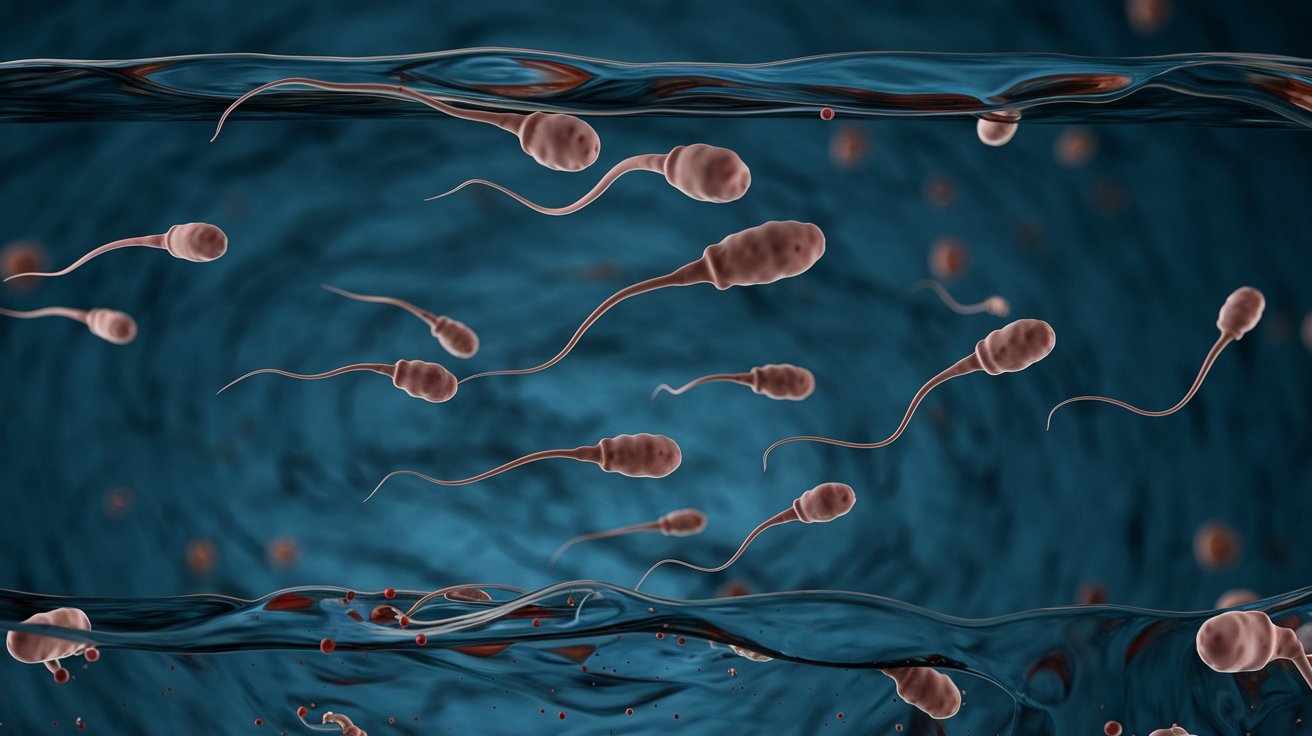
The spermatogenesis cycle begins in the seminiferous tubules within the testes, where spermatogonial stem cells divide and mature through several distinct stages. These stages include spermatocytogenesis, meiosis, and spermiogenesis, culminating in fully formed spermatozoa. Temperature regulation is critical during this process, which is why testicles remain outside the body cavity. Even slight increases in scrotal temperature can impair sperm production and reduce fertility potential, highlighting the importance of avoiding excessive heat exposure.
How Quickly Does Sperm Regenerate After Ejaculation?
Many men wonder about the immediate recovery period following ejaculation. While complete sperm regeneration takes months, your body begins replenishing ejaculated sperm within just 12 to 24 hours. Research published in 2026 by the National Institute of Health indicates that sperm concentration starts increasing immediately after ejaculation, with noticeable recovery within the first day. However, frequent ejaculation can temporarily reduce sperm count per milliliter of semen, though this typically doesn’t impact fertility unless ejaculation occurs multiple times daily over extended periods.
The volume and concentration of sperm in each ejaculation depends on several factors, including abstinence duration. Studies show that sperm count reaches optimal levels after 2 to 3 days of abstinence, with diminishing returns after 7 to 10 days. For men trying to conceive, ejaculating every 2 to 3 days maintains the balance between fresh sperm production and adequate concentration. This timing ensures motile, healthy sperm are available during a partner’s fertile window, maximizing conception chances in 2026 fertility protocols.
Can Sperm Regenerate in 12 Hours?
The question of whether sperm regenerates in 12 hours requires clarification about what regeneration means. Your body does not produce completely new mature sperm in just 12 hours, as the full development cycle takes over two months. However, within 12 hours after ejaculation, your reproductive system begins mobilizing sperm reserves stored in the epididymis and vas deferens. This means subsequent ejaculations within 12 to 24 hours will contain sperm, though typically at lower concentrations than after several days of abstinence.
According to 2026 urological research, a healthy male can produce ejaculate containing 40 to 300 million sperm within 24 hours of the previous ejaculation. The actual number depends on individual physiology, age, overall health, and frequency of recent sexual activity. While the sperm count may be reduced compared to ejaculations spaced days apart, the sperm present are still viable for fertilization. For conception purposes, fertility specialists recommend timing intercourse every 2 to 3 days rather than worrying about 12-hour regeneration periods.
How Much Sperm Regenerates Daily?
Your testicles produce an impressive amount of sperm daily, manufacturing approximately 200 to 300 million sperm cells every 24 hours under optimal conditions. This continuous production process means that even with regular ejaculation, your body maintains a substantial reserve of developing and mature sperm at various stages of maturation. The daily sperm production rate remains relatively constant throughout adult life, though production efficiency gradually decreases after age 40, with more significant declines after age 50 according to 2026 reproductive health data.
Individual sperm regeneration rates vary based on genetic factors, hormonal balance, lifestyle choices, and environmental exposures. Men with optimal testosterone levels, healthy body weight, and beneficial lifestyle habits typically maintain higher daily sperm production rates. Conversely, factors like obesity, smoking, excessive alcohol consumption, and chronic stress can reduce daily production by 20 to 50 percent. Understanding your personal sperm regeneration capacity helps set realistic expectations for fertility planning and reproductive health management in 2026.
How Many Days Does It Take to Refill Sperm?
The timeframe to refill sperm to optimal levels after ejaculation typically ranges from 48 to 72 hours for maximum concentration and quality. This 2 to 3 day period allows your reproductive system to mobilize mature sperm from storage areas and ensures adequate seminal fluid production. Fertility specialists in 2026 consistently recommend this interval for couples actively trying to conceive, as it balances sperm quantity with sperm quality and motility. Waiting longer than 7 to 10 days doesn’t significantly increase sperm count and may actually reduce motility as older sperm accumulate.
For complete regeneration of all sperm characteristics including DNA integrity, morphology, and optimal motility, the full 64 to 74 day spermatogenesis cycle must complete. This means lifestyle improvements or interventions designed to enhance sperm health require approximately 2 to 3 months before measurable improvements appear in semen analysis results. Men planning for conception should implement positive lifestyle changes at least three months before actively trying to conceive, allowing time for newly produced, healthier sperm to predominate in ejaculate samples.
What Does Healthy Sperm Look Like?
Recognizing healthy sperm characteristics helps men assess their reproductive health. According to World Health Organization 2026 criteria, normal semen typically appears grayish-white or opalescent with a slightly viscous consistency. The question of whether healthy sperm is thick or runny has a nuanced answer: immediately after ejaculation, healthy semen should be somewhat thick and gel-like, then liquefy within 15 to 30 minutes to a more watery consistency. This liquefaction process is essential for sperm motility and represents normal seminal vesicle and prostate function.
Beyond visual appearance, healthy sperm meets several clinical parameters established by reproductive medicine in 2026. Normal semen volume ranges from 1.5 to 5 milliliters per ejaculation, with sperm concentration exceeding 15 million per milliliter. At least 40 percent of sperm should demonstrate progressive motility, swimming forward effectively, while at least 4 percent should have normal morphology. The pH should remain between 7.2 and 8.0, and the sample should be free from excessive white blood cells or abnormal clumping. Regular semen analysis provides the most accurate assessment of sperm health beyond visual inspection alone.
Factors Affecting Sperm Regeneration Speed
Multiple biological and environmental factors influence how efficiently your body regenerates sperm cells. Age represents a primary factor, with men under 35 typically experiencing optimal sperm production rates that gradually decline thereafter. Hormonal balance, particularly testosterone, follicle-stimulating hormone, and luteinizing hormone, directly regulates spermatogenesis efficiency. According to 2026 endocrinology research, even subclinical hormonal imbalances can reduce sperm production by 15 to 30 percent, making hormonal evaluation important for men with suspected fertility issues.
Environmental and lifestyle factors significantly impact sperm regeneration timelines and quality. Exposure to endocrine-disrupting chemicals, pesticides, and heavy metals can impair spermatogenesis and extend the time required for healthy sperm production. Testicular temperature elevation from tight clothing, laptop use on the lap, or frequent hot tub use disrupts the temperature-sensitive process of sperm development. Chronic stress elevates cortisol levels, which can suppress reproductive hormones and slow regeneration. Obesity, smoking, and excessive alcohol consumption create oxidative stress that damages developing sperm cells throughout the 2 to 3 month maturation cycle.
Evidence-Based Methods to Improve Sperm Health
Optimizing sperm health requires a comprehensive approach addressing multiple factors simultaneously. Nutritional interventions provide foundational support for robust spermatogenesis in 2026 fertility protocols. Antioxidants including vitamins C and E, selenium, zinc, and coenzyme Q10 protect developing sperm from oxidative damage throughout the 64 to 74 day production cycle. Studies show that men supplementing with 1,000 mg vitamin C and 400 IU vitamin E daily for three months demonstrated improved sperm motility and DNA integrity by 25 to 40 percent compared to placebo groups.
Lifestyle modifications yield significant improvements in sperm regeneration quality and quantity. Regular moderate exercise improves testosterone levels and reduces oxidative stress, with men exercising 3 to 5 times weekly showing 20 to 30 percent higher sperm counts than sedentary men. However, excessive endurance training or anabolic steroid use severely impairs spermatogenesis. Maintaining healthy body weight with BMI between 18.5 and 24.9 optimizes hormonal balance for sperm production. Stress management through meditation, adequate sleep of 7 to 9 hours nightly, and avoiding tobacco and recreational drugs all contribute to healthier sperm regeneration patterns. Men implementing comprehensive lifestyle changes should expect measurable improvements within 3 months.
Optimal Ejaculation Frequency for Fertility
Determining the ideal ejaculation frequency balances maintaining fresh, motile sperm with adequate sperm concentration. Contemporary fertility research in 2026 recommends ejaculating every 2 to 3 days when actively trying to conceive. This frequency prevents accumulation of older, less motile sperm while ensuring sufficient concentration for successful fertilization. Men who ejaculate daily may experience temporary reductions in sperm count per ejaculation, though sperm quality often improves with fresher samples. Conversely, abstaining for more than 7 to 10 days allows older sperm to accumulate, potentially reducing overall motility and increasing DNA fragmentation.
For men not actively pursuing conception, ejaculation frequency should align with personal comfort and relationship dynamics rather than strict schedules. Regular ejaculation, whether through intercourse or masturbation, helps maintain healthy prostate function and prevents prolonged sperm stagnation. Some 2026 urological research suggests that men ejaculating at least 21 times monthly may experience reduced prostate cancer risk, though more research is needed. The key principle is consistency: regular sperm regeneration and release maintains optimal reproductive system function regardless of immediate fertility goals.
Medical Conditions That Impact Sperm Production
Various medical conditions can significantly impair sperm regeneration and require professional evaluation. Varicocele, affecting approximately 15 percent of men and 35 percent of men with primary infertility, involves enlarged veins in the scrotum that elevate testicular temperature and impair spermatogenesis. Hormonal disorders including hypogonadism, hyperprolactinemia, and thyroid dysfunction disrupt the hormonal signals necessary for sperm production. According to 2026 fertility data, men with untreated hormonal imbalances may experience sperm count reductions of 50 to 80 percent compared to age-matched healthy controls.
Infections, autoimmune conditions, and genetic factors also affect sperm regeneration capacity. Sexually transmitted infections, particularly chlamydia and gonorrhea, can cause epididymal scarring that obstructs sperm transport even when production remains normal. Genetic conditions like Klinefelter syndrome or Y-chromosome microdeletions severely impair or eliminate spermatogenesis. Chronic diseases including diabetes, obesity, and metabolic syndrome create systemic inflammation and oxidative stress that damages developing sperm cells. Men experiencing persistent fertility challenges should undergo comprehensive medical evaluation including semen analysis, hormonal testing, and physical examination to identify treatable causes of impaired sperm production.
Age and Sperm Regeneration
Male age significantly influences sperm regeneration efficiency and quality, though men retain fertility capacity much longer than women. Peak sperm production occurs between ages 18 and 35, with gradual declines beginning in the late 30s and accelerating after age 50. Research from 2026 reproductive medicine indicates that men over 45 experience average sperm count reductions of 3 to 5 percent annually, with corresponding decreases in motility and increases in DNA fragmentation. Despite these changes, many men father children naturally into their 60s and beyond, demonstrating the resilience of male reproductive capacity.
The impact of aging on sperm health extends beyond simple quantity. Older men’s sperm accumulate genetic mutations at higher rates, with studies showing 20 to 40 percent more DNA fragmentation in men over 50 compared to men under 30. This increased genetic damage can affect embryo development and offspring health, though individual variation is substantial. Advanced paternal age is associated with slightly increased risks of autism spectrum disorders and certain genetic conditions in offspring. Men planning late fatherhood should prioritize comprehensive sperm health optimization through lifestyle modifications, antioxidant supplementation, and medical screening to maximize fertility potential and offspring health outcomes.
Supplements and Nutrition for Sperm Regeneration
Strategic nutritional supplementation supports optimal sperm regeneration by providing essential building blocks and protective antioxidants. Zinc plays a crucial role in testosterone production and sperm development, with recommended intake of 15 to 30 mg daily for men with fertility concerns. Folate and vitamin B12 support DNA synthesis during spermatogenesis, while selenium protects developing sperm from oxidative damage. Clinical trials in 2026 demonstrate that men supplementing with comprehensive antioxidant formulas for 3 months show improved sperm parameters including 30 to 50 percent increases in motility and significant reductions in DNA fragmentation.
Omega-3 fatty acids, particularly DHA, incorporate into sperm cell membranes and improve membrane fluidity essential for successful fertilization. L-carnitine and acetyl-L-carnitine provide energy substrates for sperm motility and protect against oxidative stress. Coenzyme Q10 supplementation at doses of 200 to 300 mg daily has shown particular promise in 2026 fertility research, with men demonstrating enhanced sperm concentration and motility after 3 to 6 months of consistent use. While supplements support sperm health, they work most effectively when combined with whole-food nutrition emphasizing vegetables, fruits, whole grains, lean proteins, and healthy fats rather than processed foods high in trans fats and added sugars.
Related video about how long does it take for sperm to regenerate
This video complements the article information with a practical visual demonstration.
Questions & Answers
How much sperm regenerates in 12 hours?
Within 12 hours after ejaculation, your body mobilizes existing sperm reserves stored in the epididymis and vas deferens, but complete new sperm production takes 64 to 74 days. You can produce another ejaculate within 12 to 24 hours, though it will typically contain fewer sperm than after 2 to 3 days of abstinence. Your testicles continuously produce approximately 200 to 300 million sperm daily, but these newly created cells require months to fully mature before they’re ready for ejaculation.
How long does it take for sperm to build back up after ejaculating?
Sperm concentration and volume return to optimal levels within 48 to 72 hours after ejaculation for most healthy men. This 2 to 3 day period allows your reproductive system to replenish both sperm cells and seminal fluid to maximum capacity. Fertility specialists recommend this interval for couples trying to conceive, as it balances adequate sperm concentration with fresh, motile sperm quality. Complete regeneration of all sperm characteristics requires the full 2 to 3 month spermatogenesis cycle.
How many days to refill my sperm completely?
To refill sperm to optimal concentration for a single ejaculation requires 2 to 3 days. However, complete regeneration with the highest quality sperm requires 64 to 74 days, which is the full spermatogenesis cycle. This timeline means lifestyle improvements implemented today will show measurable results in semen analysis approximately 3 months later. For immediate fertility purposes, waiting 48 to 72 hours between ejaculations provides the best balance of quantity and quality for conception attempts.
Is healthy sperm thick or runny?
Healthy sperm starts thick and gel-like immediately after ejaculation, then liquefies within 15 to 30 minutes to become more runny. This two-phase consistency is normal and essential for fertility. The initial thickness results from proteins that coagulate semen upon ejaculation, while liquefaction occurs through enzymatic action from the prostate gland. If semen remains thick beyond 60 minutes or appears excessively watery immediately after ejaculation, it may indicate prostate or seminal vesicle dysfunction requiring medical evaluation.
Can frequent ejaculation reduce sperm count permanently?
Frequent ejaculation temporarily reduces sperm concentration per ejaculation but does not permanently damage sperm production capacity. Your testicles continuously produce sperm, and production rates normalize within days of reduced ejaculation frequency. Some research suggests regular ejaculation may actually support prostate health and maintain reproductive system function. Unless ejaculating multiple times daily for extended periods, frequency typically doesn’t impair fertility potential. Men concerned about sperm count should simply space ejaculations 2 to 3 days apart when trying to conceive.
What is the best abstinence period before fertility testing?
The recommended abstinence period before semen analysis for fertility testing is 2 to 7 days, with 3 days being ideal according to 2026 WHO guidelines. This timeframe provides accurate assessment of typical sperm parameters without artificially inflating or deflating results. Abstaining less than 2 days may show reduced sperm concentration, while abstaining more than 7 days can result in decreased motility due to older sperm accumulation. Consistency in abstinence period is important when comparing multiple semen analyses over time.
| Regeneration Aspect | Timeline Details | Optimization Strategy |
|---|---|---|
| Full Sperm Production Cycle | 64 to 74 days for complete spermatogenesis from stem cell to mature sperm | Implement lifestyle changes 3 months before conception attempts |
| Optimal Refill Time | 48 to 72 hours for maximum concentration and quality | Space ejaculations 2 to 3 days apart when trying to conceive |
| Daily Production Rate | 200 to 300 million sperm cells produced every 24 hours | Support continuous production with antioxidants and proper nutrition |
| Initial Recovery After Ejaculation | 12 to 24 hours for basic replenishment from reserves | Avoid multiple daily ejaculations if optimizing for fertility |
| Age-Related Changes | 3 to 5 percent annual decline in production after age 45 | Older men should prioritize comprehensive health optimization |
| Lifestyle Impact Timeline | Positive changes show results in 2 to 3 months | Maintain consistent healthy habits for sustained improvement |