Understanding prostate size chart by age is essential for men’s health monitoring in 2026. The prostate gland naturally enlarges with age, but knowing what constitutes normal growth versus problematic enlargement can help detect issues early. This comprehensive guide provides specific measurements for different age groups, explains when prostate size becomes concerning, and outlines what men across the United States should know about their prostate health.
What Is the Normal Prostate Size
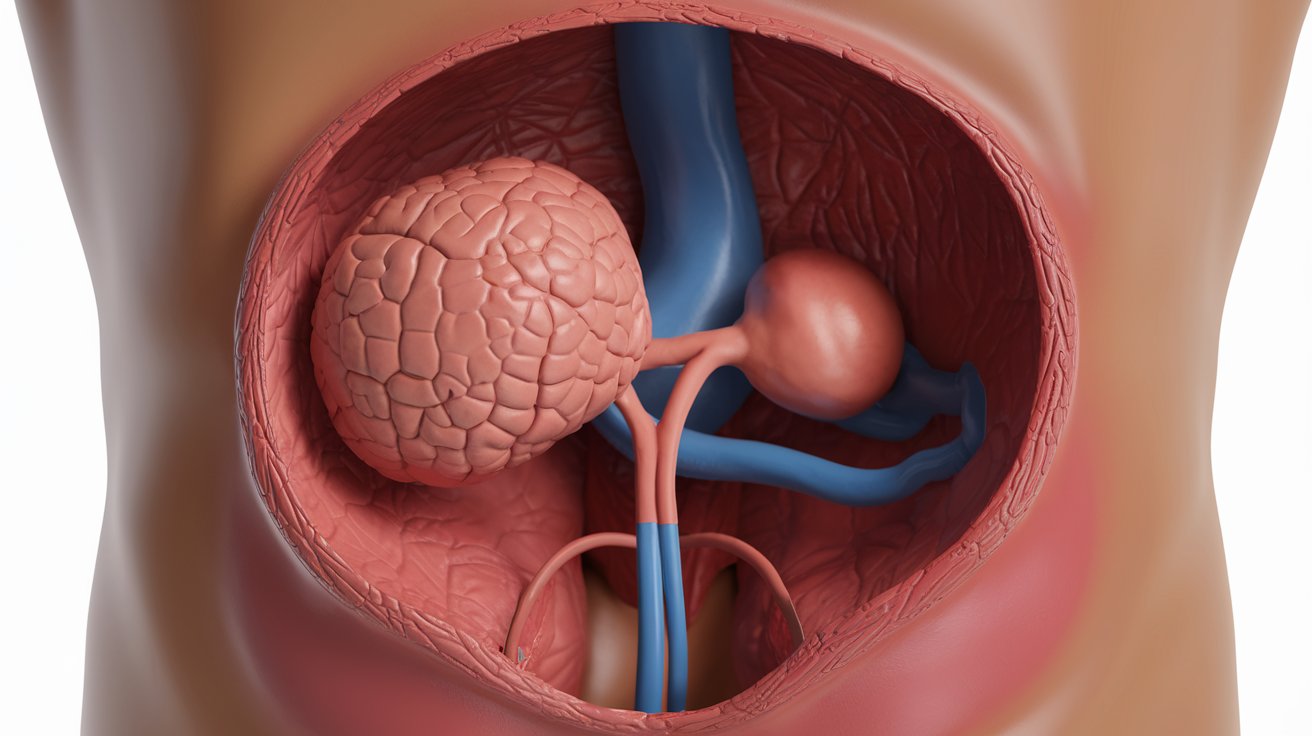
The normal prostate size in healthy adult men typically measures between 20 to 30 cubic centimeters (cc) or approximately 3 to 4 centimeters in length and width. To visualize this, a normal prostate is roughly the size of a walnut or golf ball. The gland surrounds the urethra just below the bladder and plays a crucial role in male reproductive function by producing fluid that nourishes and transports sperm.
Medical professionals measure prostate volume in cc using transrectal ultrasound (TRUS) or MRI imaging, which provides the most accurate assessments. In 2026, digital rectal examination (DRE) remains a standard screening method, though imaging provides more precise measurements. The prostate has three zones: the peripheral zone where most cancers develop, the central zone, and the transition zone where benign prostatic hyperplasia (BPH) typically originates.
Prostate Size Chart By Age: Typical Measurements
The prostate size chart by age shows clear patterns of growth throughout a man’s lifetime. Understanding these age-related changes helps distinguish normal aging from pathological enlargement. According to 2026 urological data from American healthcare institutions, prostate size increases predictably with age, though individual variations exist based on genetics, lifestyle, and overall health status.
Prostate Size in Men Ages 40-50
For men between 40 and 50 years old, the normal prostate size typically ranges from 20 to 25 cc. At this stage, most men experience minimal symptoms related to prostate enlargement. The gland maintains its compact structure, and urinary function remains largely unaffected. In centimeters, this translates to approximately 3 x 3 x 4 cm in dimensions. This age group represents the baseline for future comparisons as the prostate begins its gradual enlargement process that continues throughout life.
Prostate Size at Age 60
At age 60, the normal prostate size increases to approximately 30 to 40 cc in most men. This represents a 50% increase from baseline measurements at age 40. Many men in their sixties begin noticing mild urinary changes, including slightly reduced flow or increased nighttime urination frequency. In centimeters, the prostate size at 60 measures roughly 3.5 x 3.5 x 5 cm. About 50% of men in this age group show some degree of benign prostatic hyperplasia (BPH), though not all experience bothersome symptoms requiring medical intervention.
Prostate Size at Age 65-67
Men at age 65 to 67 typically have prostate measurements between 35 to 45 cc, with an average around 40 cc considered normal. The normal prostate size at age 67 specifically averages 40 to 45 cc for men without significant BPH. This continued growth reflects the hormonal changes associated with aging, particularly the conversion of testosterone to dihydrotestosterone (DHT), which stimulates prostate tissue growth. Approximately 60% of men in this age bracket report some urinary symptoms, making regular screening particularly important for United States men in this demographic.
Prostate Size at Age 70 and Beyond
The normal prostate size at age 70 ranges from 40 to 50 cc, though measurements up to 60 cc may occur without significant pathology. Men in their seventies and eighties often experience more pronounced symptoms as the enlarged gland increasingly compresses the urethra. By age 80, approximately 90% of men show histological evidence of BPH, though symptom severity varies considerably. Some men maintain prostate sizes under 40 cc well into their seventies, demonstrating the role of individual factors in prostate growth patterns throughout advanced age.
What Size of Prostate Is Considered Dangerous
A dangerous prostate size typically exceeds 80 to 100 cc, though symptoms rather than size alone determine treatment necessity. Prostates measuring over 80 cc significantly increase the risk of acute urinary retention, kidney damage from backpressure, bladder stones, and recurrent urinary tract infections. In 2026, urologists classify prostate enlargement into categories: mild (30-50 cc), moderate (50-80 cc), and severe (over 80 cc). However, a 60 cc prostate causing complete urinary obstruction is more dangerous than a 100 cc prostate with minimal symptoms.
The dangerous prostate size in cc also relates to surgical planning. Prostates exceeding 80 cc often require different surgical approaches than smaller glands. Traditional transurethral resection of the prostate (TURP) becomes less effective for very large glands, necessitating procedures like holmium laser enucleation (HoLEP) or simple prostatectomy. Men with prostates over 100 cc face higher complication risks if left untreated, including irreversible bladder damage and chronic kidney disease from prolonged obstruction.
Understanding Prostate Volume Measurements
Medical professionals use specific formulas to calculate prostate volume in cc based on dimensional measurements obtained through imaging. The most common formula is the ellipsoid formula: length x width x height x 0.52. This calculation provides the cubic centimeter measurement that doctors use for treatment decisions. In 2026, three-dimensional ultrasound and MRI fusion technology offer unprecedented accuracy in volume calculations, improving diagnostic precision for United States patients.
Converting between measurement units helps patients understand their results better. Normal prostate size in cm by age translates to volume measurements through mathematical calculation. For example, a prostate measuring 4 x 3 x 3 cm equals approximately 18.7 cc using the ellipsoid formula. Understanding both centimeter dimensions and cubic centimeter volume provides a complete picture of prostate size and helps contextualize medical recommendations for monitoring or treatment.
Signs and Symptoms of Enlarged Prostate
Recognizing enlarged prostate symptoms enables early intervention before complications develop. The most common indicators include weak urine stream, difficulty starting urination, frequent urination especially at night (nocturia), sudden urges to urinate, inability to completely empty the bladder, and dribbling after urination. These symptoms result from the enlarged gland compressing the urethra and irritating the bladder wall. In 2026, approximately 14 million men in the United States experience moderate to severe lower urinary tract symptoms from BPH.
Symptom severity doesn’t always correlate with prostate size. Some men with 80 cc prostates report minimal symptoms, while others with 40 cc prostates experience severe obstruction due to how the gland grows into the urethral channel. The International Prostate Symptom Score (IPSS) questionnaire helps quantify symptom severity on a scale from 0 to 35, with scores above 20 indicating severe symptoms requiring medical attention. Tracking symptom progression helps determine when conservative management should transition to active treatment.
When To Worry About Prostate Size
Men should worry about prostate size when experiencing complete inability to urinate, blood in urine, recurrent urinary tract infections, bladder stones, or kidney damage indicators. These red flag symptoms suggest the enlarged prostate has progressed beyond simple nuisance to medical emergency requiring immediate evaluation. Acute urinary retention, where the bladder cannot empty despite the urge, represents a urological emergency affecting approximately 10% of men with BPH over a five-year period.
Additional concerning signs include progressive worsening of symptoms despite medication, development of overflow incontinence where small amounts constantly leak, and elevated creatinine levels indicating kidney function impairment. Men whose prostate size exceeds 80 cc should undergo closer monitoring even without severe symptoms, as the risk of complications increases substantially. Regular follow-up with urologists every six to twelve months helps detect concerning changes before irreversible damage occurs to the bladder or kidneys.
Normal PSA Levels By Age
While PSA levels and prostate size are related, they measure different aspects of prostate health. Prostate-specific antigen increases with both prostate volume and inflammation or cancer. For men aged 40-49, normal PSA typically remains below 2.5 ng/mL. At age 60, normal PSA levels range from 0 to 4.0 ng/mL, though age-adjusted ranges suggest 3.5 ng/mL as the upper normal limit. Men in their seventies may have normal PSA values up to 5.0 ng/mL without cancer.
The relationship between PSA and prostate volume helps distinguish BPH from cancer. Generally, each gram of BPH tissue produces 0.3 ng/mL of PSA, while cancerous tissue produces approximately ten times more. A man with a 60 cc prostate and PSA of 6 ng/mL likely has BPH, whereas the same PSA with a 25 cc prostate raises cancer concerns. PSA density (PSA level divided by prostate volume) provides additional diagnostic value, with densities above 0.15 ng/mL/cc warranting further investigation regardless of absolute PSA value.
Treatment Options for Enlarged Prostate
Treatment for enlarged prostate depends on size, symptom severity, and patient preferences. Watchful waiting suits men with mild symptoms and prostates under 50 cc. Medications including alpha-blockers like tamsulosin relax prostate smooth muscle, while 5-alpha reductase inhibitors like finasteride shrink the prostate by blocking DHT production. Combination therapy provides optimal results for prostates exceeding 40 cc with moderate symptoms, reducing progression risk by approximately 60% compared to placebo.
Minimally Invasive Procedures
Modern minimally invasive treatments offer alternatives between medication and traditional surgery for prostates measuring 30 to 80 cc. Rezūm water vapor therapy uses steam to destroy excess prostate tissue, requiring no incisions and preserving sexual function in most cases. Urolift implants mechanically hold prostate tissue away from the urethra, providing immediate relief without tissue removal. In 2026, these procedures are widely available across the United States, with many performed in office settings under local anesthesia, reducing recovery time to days rather than weeks.
Surgical Interventions
For prostates exceeding 80 cc or when other treatments fail, surgical removal of obstructing tissue becomes necessary. Transurethral resection of the prostate (TURP) remains the gold standard for prostates 30 to 80 cc, removing tissue through the urethra without external incisions. Holmium laser enucleation (HoLEP) effectively treats even very large prostates over 100 cc with excellent long-term outcomes. Simple prostatectomy through small incisions suits prostates exceeding 150 cc. Modern robotic-assisted techniques in 2026 minimize complications, with most United States patients returning to normal activities within four to six weeks.
Lifestyle Factors Affecting Prostate Size
Several modifiable factors influence prostate growth throughout life. Obesity significantly increases prostate enlargement risk, with studies showing men with BMI over 30 have 50% larger prostates than normal-weight peers. Regular physical activity reduces BPH progression risk by approximately 25%, likely through hormonal and inflammatory pathway modulation. Diet plays a crucial role, with high consumption of red meat and dairy products associated with increased prostate growth, while plant-based diets rich in vegetables, tomatoes, and green tea show protective effects.
Limiting alcohol and caffeine intake reduces bladder irritation and symptom severity in men with existing prostate enlargement. Adequate hydration throughout the day while reducing evening fluid intake minimizes nighttime urination episodes. Managing chronic conditions like diabetes and cardiovascular disease also impacts prostate health, as metabolic syndrome components correlate with accelerated prostate growth. In 2026, integrative approaches combining lifestyle modification with medical treatment provide optimal outcomes for United States men managing benign prostatic hyperplasia.
Prostate Size Monitoring and Screening
Regular prostate screening enables early detection of abnormal growth patterns. Men aged 50 and older should undergo annual digital rectal examinations and PSA testing, while those with family history or African American heritage should begin screening at age 40. Baseline ultrasound measurement establishes individual prostate volume for future comparison. Annual growth exceeding 5 cc or sudden rapid enlargement warrants additional investigation to rule out cancer or other pathological processes.
Modern imaging technology in 2026 allows precise prostate volume tracking over time. Multi-parametric MRI not only measures size but identifies suspicious lesions requiring biopsy. Tracking both absolute size and growth rate helps predict who will develop significant symptoms requiring intervention. Men whose prostates grow more than 2 cc annually face substantially higher risks of acute urinary retention and eventual need for surgery, making closer monitoring and earlier treatment consideration appropriate for this subset.
Related video about prostate size chart by age
This video complements the article information with a practical visual demonstration.
Important things to know about prostate size chart by age
What is the normal size of prostate at age 65?
The normal prostate size at age 65 typically ranges from 35 to 45 cubic centimeters (cc), with an average around 40 cc considered normal for men without significant benign prostatic hyperplasia. This represents natural age-related growth from the baseline size of 20 to 25 cc in younger men. Individual variation exists based on genetics, lifestyle factors, and overall health. Prostates up to 50 cc may still be within normal limits at this age if not causing significant urinary symptoms. Regular monitoring helps distinguish normal aging from pathological enlargement requiring treatment.
When should I worry about my prostate size?
You should worry about prostate size when experiencing inability to urinate, blood in urine, recurrent urinary tract infections, or signs of kidney damage. Prostate measurements exceeding 80 cc significantly increase complication risks, though symptoms matter more than size alone. Seek immediate medical attention for acute urinary retention where you cannot empty your bladder despite urgency. Progressive symptom worsening despite medication, development of overflow incontinence, or elevated creatinine levels indicating kidney impairment all warrant urgent urological evaluation. Regular screening helps detect concerning changes before complications develop.
What size of prostate is considered very large?
A prostate exceeding 80 cubic centimeters is considered very large, with measurements over 100 cc classified as significantly enlarged. While normal prostates measure 20 to 30 cc in young adults and grow to 40 to 50 cc by age 70, prostates surpassing 80 cc carry substantially higher risks of acute urinary retention, bladder damage, and kidney complications. Very large prostates often require surgical intervention rather than medical management alone. Treatment approaches differ for these massive glands, with procedures like holmium laser enucleation or simple prostatectomy preferred over standard transurethral resection.
What is the normal size of prostate at age 60 in cc?
At age 60, the normal prostate size ranges from 30 to 40 cubic centimeters (cc) in most men, representing approximately 50% growth from younger baseline measurements. This translates to roughly 3.5 x 3.5 x 5 cm in dimensional measurements. About half of men at age 60 show some degree of benign prostatic hyperplasia, though not all experience bothersome symptoms requiring treatment. Prostates up to 45 cc may still be considered within normal limits at this age depending on symptom severity and individual factors. Regular monitoring helps track growth patterns and determine if intervention becomes necessary.
Does prostate size always correlate with symptoms?
No, prostate size does not always correlate with symptom severity. Some men with 80 cc prostates report minimal urinary difficulties, while others with 40 cc prostates experience severe obstruction. Symptom development depends on how the prostate grows—particularly whether enlargement occurs into the urethral channel versus outward expansion. The location and pattern of growth matter more than absolute size. Additionally, bladder function, detrusor muscle strength, and individual sensitivity to obstruction influence symptom experience. This disconnect explains why treatment decisions consider symptom scores and quality of life impact alongside objective size measurements.
What is normal prostate volume in cc across all ages?
Normal prostate volume varies significantly by age. For men ages 40-50, normal volume ranges from 20 to 25 cc. By age 60, this increases to 30 to 40 cc. Men aged 65-70 typically measure 40 to 50 cc, while those over 70 may have prostates 50 to 60 cc without pathology. The prostate grows approximately 1 to 2 cc per year after age 50 in most men. Individual factors including genetics, hormones, lifestyle, and overall health create substantial variation. Prostates below 80 cc rarely cause complications if asymptomatic, while measurements exceeding 80 cc warrant closer monitoring regardless of symptoms.
| Age Range | Normal Prostate Size (cc) | Key Considerations |
|---|---|---|
| 40-50 years | 20-25 cc | Baseline measurements, minimal symptoms expected |
| 60 years | 30-40 cc | 50% show some BPH, mild symptoms common |
| 65-67 years | 35-45 cc | 60% report urinary changes, regular screening important |
| 70+ years | 40-60 cc | 90% have histological BPH, symptoms vary widely |
| Dangerous Size | 80-100+ cc | Increased complication risk, closer monitoring required |